Are Expensive Corporate Gifts Always Better?
Are Expensive Corporate Gifts Always Better?
It's a Question Many Businesses Get Wrong
Imagine you're choosing a gift for an important client.
One option costs $20.
The other costs $300.
Which one is more likely to strengthen the relationship?
Most people instinctively choose the more expensive option.
But here's the interesting part:
Price alone rarely determines whether a gift will be appreciated—or remembered.
In many cases, the gift that creates the strongest impression isn't the one with the highest price tag. It's the one that feels thoughtful, useful, and genuinely relevant to the recipient.

Short Answer
No. Expensive corporate gifts are not always better. While premium products can communicate quality and appreciation, the real value of a business gift comes from how well it matches the recipient's needs, lifestyle, and the relationship you're trying to build. A thoughtful gift that people genuinely enjoy using often creates a stronger impression than an expensive gift chosen simply because it costs more.
Why Price Can Be Misleading
It's easy to assume that spending more shows greater appreciation.
Sometimes it does.
But not always.
Imagine receiving an expensive crystal ornament that doesn't fit your style.
Now compare that with a beautifully designed desk accessory you use every day.
Which one leaves a bigger impact?
Most people remember usefulness long after they've forgotten the price.
That's why experienced buyers focus less on cost and more on value.
The Best Gifts Feel Personal
Corporate gifts aren't meant to impress everyone.
They're meant to connect with someone.
A gift chosen with the recipient in mind immediately feels more meaningful.
Ask yourself:
- What kind of work do they do?
- Do they travel often?
- Do they work from home?
- Do they appreciate design?
- Would they actually use this?
These questions are usually more valuable than simply asking, "What's our budget?"
Practical Gifts Create More Long-Term Value
Think about the business gifts you've kept over the years.
Chances are they weren't necessarily the most expensive ones.
They were the ones that became part of your routine.
Products such as:
- Office accessories
- Home décor
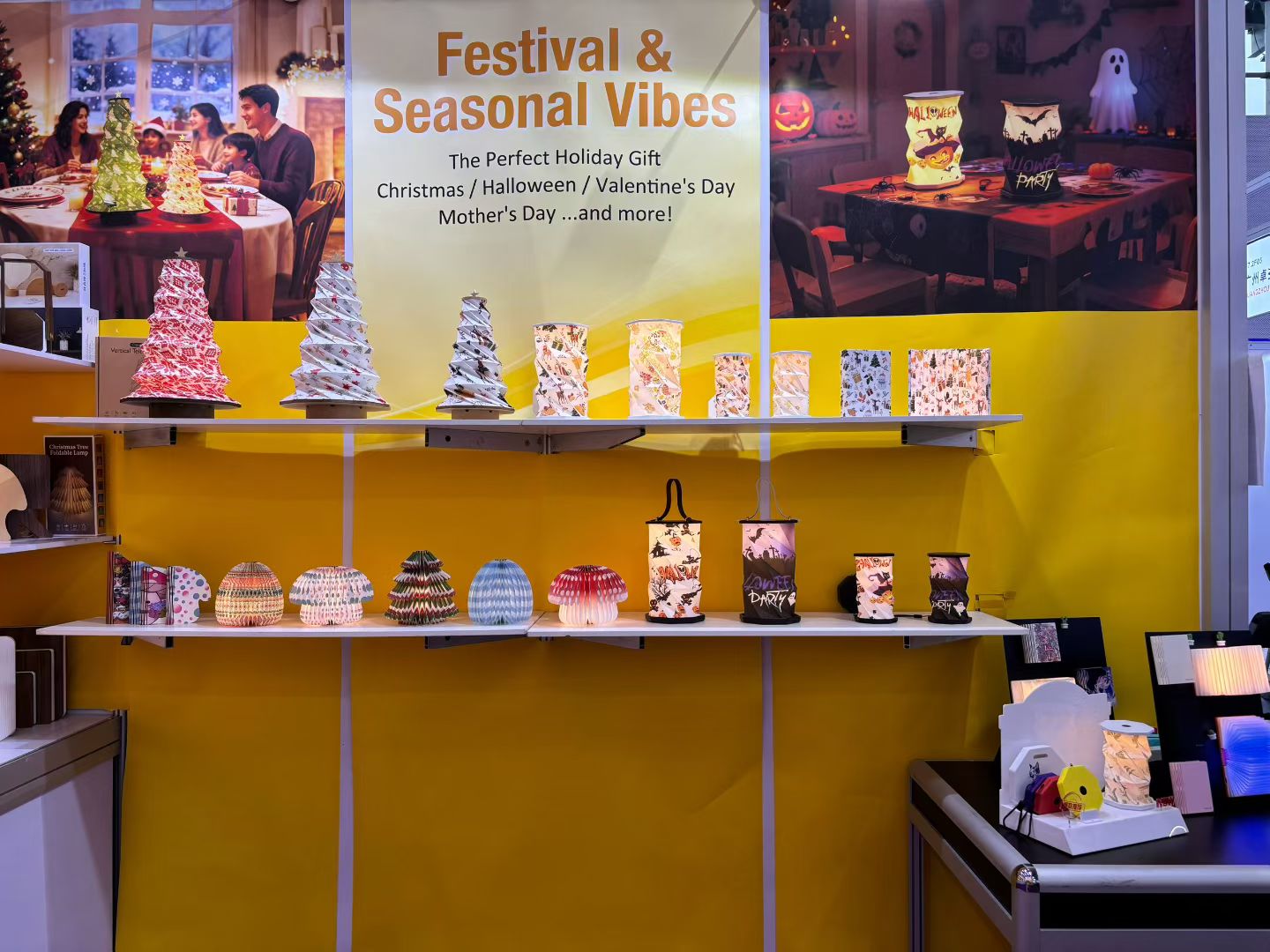
- Portable lighting
- Premium notebooks
- Reusable drinkware
- Travel essentials
continue creating value every time they're used.
That's a much better outcome than an expensive gift that sits unopened on a shelf.

Quality Still Matters
Saying that expensive isn't always better doesn't mean quality isn't important.
It absolutely is.
People notice craftsmanship.
They notice materials.
They notice thoughtful packaging.
A premium experience comes from the overall impression—not just the price.
Sometimes a moderately priced product with excellent design and presentation feels more luxurious than a costly item with little personality.
Timing Often Matters More Than Budget
A gift given at the right moment can have a lasting impact.
Celebrating a successful project.
Recognizing an employee's contribution.
Thanking a long-term client.
Marking a company milestone.
These occasions naturally give a gift more meaning.
Without the right context, even an expensive gift can feel transactional.
Don't Forget Company Policies
Here's something many businesses overlook.
Some organizations have strict rules about accepting gifts above a certain value.
In industries such as finance, healthcare, government, and public procurement, expensive gifts may be declined or create unnecessary discomfort.
A thoughtful, appropriately priced gift is often the safer—and more appreciated—choice.
Common Mistakes
Businesses often reduce the impact of corporate gifts by:
- Assuming a higher price automatically means a better impression
- Choosing luxury items without considering the recipient
- Spending the budget on the product but not the presentation
- Overlooking practical value
- Ignoring company gift policies
- Focusing on cost instead of experience
Expert Tip
If you're debating between a more expensive product and a more useful one, choose usefulness.
People rarely remember how much a gift cost.
They remember whether it became part of their daily life.
Quick Comparison
| Expensive Doesn't Always Mean Better | What Often Matters More |
|---|---|
| High price | Everyday usefulness |
| Luxury branding | Thoughtful selection |
| Exclusivity | Relevance to the recipient |
| Prestige | Quality and durability |
| Cost | Overall experience |
| Impressing people | Building relationships |
Key Takeaway
The goal of corporate gifting isn't to prove how much you've spent.
It's to show that you've put thought into the relationship.
A well-designed, practical gift that fits the recipient's lifestyle often creates far greater long-term value than an expensive product chosen without much consideration.
When people continue using a gift months or even years later, that's when it has truly done its job.
Related Questions
- What Makes a Business Gift Feel Premium?
- What Makes a Corporate Gift Memorable?
- What Makes a Corporate Gift Worth Keeping?
- How Do You Choose a Corporate Gift?
- Why Do Some Corporate Gifts Get Kept While Others Get Thrown Away?

Conclusion
Expensive corporate gifts certainly have their place, especially for major milestones or executive relationships. But price should never be the only factor guiding your decision. The most successful business gifts combine quality, practicality, thoughtful design, and genuine relevance to the recipient.
As corporate gifting continues to evolve, many companies are moving away from the idea that "more expensive is always better." Instead, they're investing in products that offer everyday value and lasting appeal—gifts that strengthen relationships because they're enjoyed, not simply admired.