What Is Functional Home Décor?
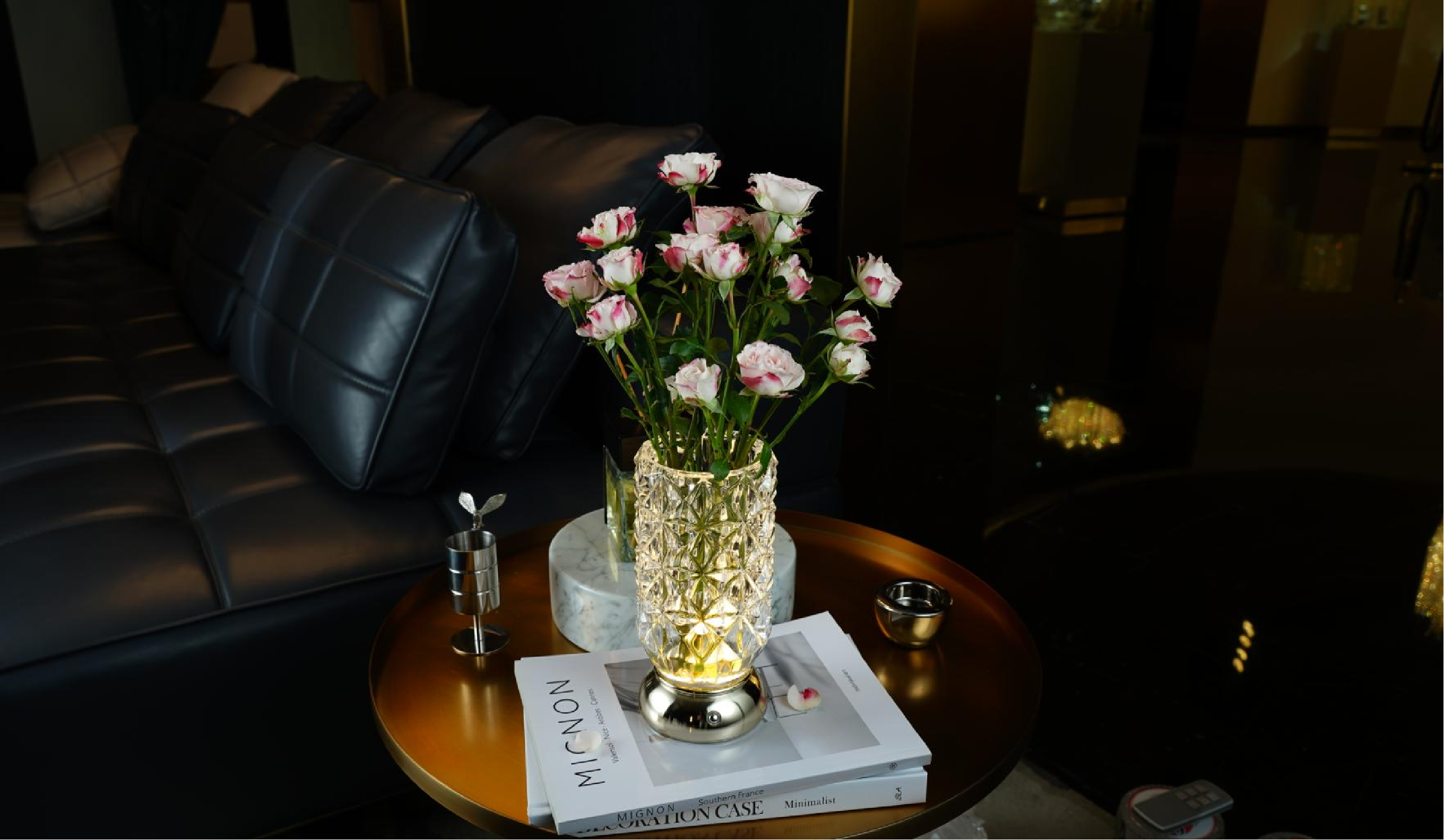
What Is Functional Home Décor?
Functional home décor sits between home decoration and everyday utility.
A traditional decorative object may simply make a room look better.
A purely functional product may solve a practical problem but have little decorative value.
Functional décor combines the two.
For example:
- A lamp provides light while becoming part of the room's visual design.
- A decorative tray organizes objects while adding style to a coffee table.
- A mirror helps people get ready while also enhancing the appearance of a room.
- A decorative box provides storage while contributing to the overall interior.
This is especially relevant as consumers look for products that make better use of limited space.

1. Decorative Lighting
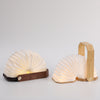
Lighting is one of the clearest examples of functional home décor.
A decorative lamp can provide practical illumination while also acting as:
- A focal point
- A sculptural object
- A bedside accessory
- A reading light
- A mood-lighting element
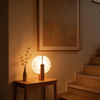
The strongest decorative lighting products remain visually interesting even when the light is switched off.

2. Decorative Storage Boxes
Storage does not always need to be hidden.
Decorative boxes can organize:
- Accessories
- Documents
- Toys
- Jewelry
- Small electronics
- Household items
Interesting materials, patterns, artwork, or textures can turn ordinary storage into part of the interior.
3. Decorative Trays
A tray is simple but highly versatile.
It can be used for:
- Coffee-table styling
- Jewelry
- Perfume
- Keys
- Candles
- Remote controls
- Small decorative objects
Because it combines organization with presentation, a decorative tray is a natural functional décor product.

4. Mirrors With Decorative Design
Mirrors provide an obvious practical function, but their frames and shapes can dramatically affect a room.
Functional décor brands can experiment with:
- Organic shapes
- Sculptural frames
- Minimalist designs
- Vintage-inspired styles
- Architectural forms
A mirror can therefore become both a practical accessory and a decorative statement.
5. Decorative Clocks
A clock provides useful information while also adding visual character.
Modern decorative clocks can be designed around:
- Minimalist forms
- Natural materials
- Artistic patterns
- Sculptural shapes
- Retro aesthetics
This makes them suitable for living rooms, offices, bedrooms, and entryways.
6. Decorative Bookends
Bookends are a small example of how ordinary objects can become design products.
Instead of simply holding books upright, they can introduce:
- Sculptural shapes
- Animals
- Architecture
- Abstract forms
- Cultural references
They work especially well in bookstores, home offices, libraries, and reading spaces.

7. Decorative Planters
Plants already contribute to interior decoration.
A well-designed planter adds another decorative layer while serving a clear practical purpose.
Small planters can work particularly well for:
- Desks
- Shelves
- Windowsills
- Kitchen counters
- Small apartments
The planter itself can become part of the design rather than simply a container.
8. Desk Organizers
As more people work or study from home, desk organization can become part of the interior.
Functional desk décor can include:
- Pen holders
- Document organizers
- Cable organizers
- Small storage boxes
- Decorative trays
The opportunity is to make organization visually appealing rather than purely utilitarian.
9. Decorative Hooks and Wall Organizers
Wall space can provide valuable storage in smaller homes.
Decorative hooks and organizers can hold:
- Keys
- Bags
- Hats
- Accessories
- Kitchen items
A well-designed product can turn a functional storage solution into a small piece of wall décor.
10. Multifunctional Furniture Accessories
Some products can perform several functions within one design.
Examples include:
- Side tables with storage
- Stools with compartments
- Ottomans with storage
- Shelves with integrated lighting
- Tables with charging functions
Multifunctionality becomes particularly valuable when space is limited.
11. Portable and Rechargeable Lamps
Portable lighting combines flexibility with decoration.
A rechargeable lamp can move from a desk to a bedside table, dining table, balcony, or outdoor space.
This gives consumers more control over how they use their space while allowing the lamp itself to remain a decorative object.
12. Artwork With a Practical Function
Artwork does not have to remain purely visual.
Creative product development can transform artistic concepts into functional objects such as:
- Decorative lighting
- Clocks
- Mirrors
- Storage products
- Desk accessories
- Tabletop objects
This creates an interesting connection between art, design, and everyday living.
For art publishers, museums, galleries, and licensed-art brands, functional products can provide additional ways to commercialize artwork.
13. Nature-Inspired Functional Décor
Natural themes can be incorporated into practical products.
For example:
- Leaf-shaped trays
- Tree-inspired organizers
- Flower-shaped lamps
- Animal bookends
- Botanical storage boxes
This allows a product to follow a broader nature-inspired interior style without sacrificing usability.
14. Personalized Functional Décor
Personalization can make practical products feel more meaningful.
Possible applications include:
- Names
- Initials
- Family illustrations
- City designs
- Favorite artwork
- Special dates
- Custom patterns
A personalized lamp, organizer, tray, or decorative object can serve both a functional and emotional purpose.
15. Cultural and Storytelling Products
Functional décor can also communicate culture and place.
Products may be inspired by:
- Local architecture
- Historical landmarks
- Traditional patterns
- Regional art
- Local wildlife
- City maps
- Cultural stories
This approach is particularly relevant to museums, cultural institutions, destination retailers, bookstores, and lifestyle brands.
The product becomes something useful that also carries a story.
Why Is Functional Décor Important for Small Homes?
Small homes require people to think carefully about every object they bring into the space.
A decorative product that performs a useful function has an obvious advantage.
Instead of having:
One object for decoration + one object for storage + one object for lighting
consumers can sometimes choose:
One well-designed product that does more than one job.
This can reduce visual clutter while making a room more efficient.
What Makes Functional Home Décor Successful?
A successful product should not feel like a compromise between design and practicality.
It should ideally have five qualities:
Useful — solves a genuine everyday need.
Beautiful — looks attractive in the home.
Compact — does not create unnecessary clutter.
Durable — designed for repeated everyday use.
Distinctive — has enough personality to stand out.
The most successful products make the user think:
“I need this—and I like how it looks.”
Is Functional Décor Good for Retail?
Functional décor can offer retailers several advantages.
Products can be positioned across multiple categories, including:
- Home décor
- Lifestyle
- Gifts
- Organization
- Lighting
- Design
- Art merchandise
They can also be easier to explain to consumers because the product has an obvious practical benefit.
For independent retailers, museum stores, bookstores, lifestyle shops, and home décor stores, products that combine visual appeal and everyday usefulness can create more flexible merchandising opportunities.
How Can Brands Develop Better Functional Décor?
A useful product-development framework is:
Start With a Need → Add Function → Add Design → Add Story → Create a Collection
For example, instead of simply designing a lamp, a brand could develop a collection around:
Nature + Warm Light + Portable Function
Or:
Artwork + Decorative Lighting + Museum Story
Or:
City Architecture + Home Décor + Collectibility
This approach creates products with stronger identity than generic functional items.
Expert Tip
Don't ask:
“How can we add a function to this decorative product?”
Ask:
“What everyday problem could this beautiful product solve?”
When the function feels natural to the design, the result usually feels more valuable and less like a product with unnecessary features.
Key Takeaway
Functional home décor is about making everyday products more useful without making them less beautiful.
The strongest products combine:
Function + Design + Space Efficiency + Personality + Story
This creates opportunities across decorative lighting, storage, mirrors, organizers, artwork-based products, cultural products, and multifunctional accessories.
For consumers, functional décor can make small spaces more comfortable and organized.
For brands and retailers, it creates products that can sit naturally across home décor, lifestyle, gifting, art, and retail categories.
Related Articles
- Home Décor Trends 2027
- What Are the Best Home Accessories?
- Small Home Décor Products
- Decorative Lighting Trends 2027
- Best Home Décor Gifts
- Art Inspired Gifts
- What Products Increase Basket Size?
- What Products Encourage Impulse Purchases?
About the Author
Kairos is Export Director at DECO, working with international retailers, cultural brands, art-related businesses, and product developers on customized cultural and creative product development.
About DECO
DECO develops customizable cultural and creative products for international markets, with a focus on decorative lighting and artwork-based product development.
DECO works with retailers and brands to develop products around artwork, nature, travel, architecture, cultural themes, seasonal designs, and artist collaborations—combining visual design with everyday functionality.
For more information, visit DECO.