What Are Lifestyle Home Products?
What Are Lifestyle Home Products?
Lifestyle home products sit between functional household goods, home décor, and personal expression.
A traditional household product might be purchased because it is necessary.
A lifestyle product is often purchased because it is:
- Useful
- Attractive
- Enjoyable
- Meaningful
- Convenient
- Socially shareable
- Consistent with the consumer's personal style
For example, a lamp can simply provide light.
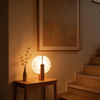
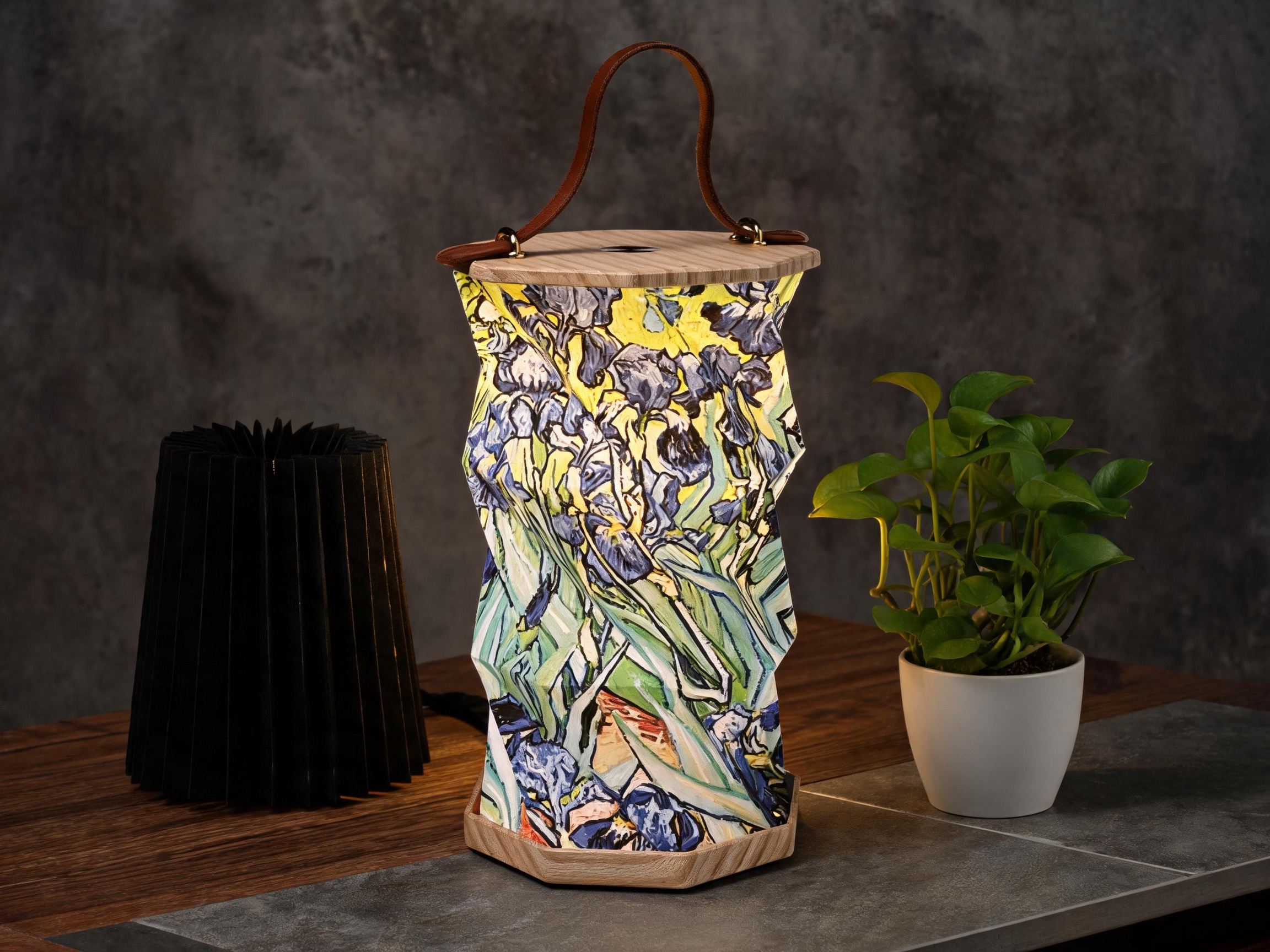
But a beautifully designed rechargeable lamp can also create atmosphere, decorate a room, become a conversation piece, and reflect the owner's taste.
That is what turns an ordinary household item into a lifestyle product.

1. Decorative Lighting
Decorative lighting is one of the strongest lifestyle product categories because it combines function with atmosphere.
Consumers can use decorative lamps to:
- Create a relaxing environment
- Decorate shelves and tables
- Improve a reading corner
- Create bedroom ambiance
- Add personality to a room
Products with distinctive shapes, materials, artwork, or portable designs can fit naturally into the lifestyle category.
2. Stylish Home Accessories
Small accessories can change the appearance of a room without requiring major renovations.
Examples include:
- Trays
- Vases
- Mirrors
- Decorative boxes
- Clocks
- Bookends
- Candle holders
- Small sculptures
These products are relatively easy for consumers to add or replace as their tastes change.

3. Functional Home Décor
Consumers increasingly appreciate products that combine beauty with usefulness.
Examples include:
- Decorative storage
- Desk organizers
- Multifunctional lamps
- Decorative shelves
- Storage baskets
- Functional tabletop accessories
The basic principle is simple:
If an object takes up space, it should ideally provide value beyond decoration.
4. Portable and Rechargeable Products
Portability is increasingly relevant to modern lifestyles.
Rechargeable products can move between rooms and different activities.
A portable lamp, for example, can be used for:
- Reading
- Dining
- Working
- Relaxing
- Outdoor gatherings
- Travel
This flexibility makes portable products particularly suitable for smaller homes and changing lifestyles.
5. Wellness and Relaxation Products
Home is increasingly used for more than eating and sleeping.
It can also be a place for:
- Relaxation
- Reading
- Exercise
- Meditation
- Self-care
- Entertainment
Lifestyle products can support these activities through lighting, comfortable accessories, organization products, and atmosphere-enhancing décor.
The important point is that wellness products do not always need to look clinical or technical.
Design can make them feel naturally integrated into the home.
6. Nature-Inspired Home Products
Nature-inspired products continue to work well across different interior styles.
Design inspiration can come from:
- Plants
- Flowers
- Trees
- Animals
- Mountains
- Water
- Natural landscapes
These themes can be translated into lamps, decorative objects, textiles, planters, artwork, and other accessories.
Nature also provides an effective foundation for building an entire product collection.

7. Artistic Home Products
Consumers do not necessarily want their homes to look like showrooms filled with identical products.
Artwork and artistic design can introduce individuality.
Lifestyle products can incorporate:
- Illustrations
- Photography
- Fine art
- Graphic patterns
- Artist collaborations
- Cultural artwork
This creates an opportunity for products to sit between art, home décor, and everyday lifestyle.
8. Personalized Home Products
Personalization can make ordinary products feel more meaningful.
Possible themes include:
- Names
- Initials
- Family designs
- Special dates
- Favorite places
- Travel memories
- Custom artwork
- Personalized patterns
Personalized lifestyle products can also work particularly well as housewarming, wedding, birthday, and holiday purchases.
9. Smart and Multifunctional Products
Modern consumers often appreciate products that do more without creating additional clutter.
Examples include:
- Lamps with multiple lighting modes
- Furniture with integrated storage
- Charging accessories
- Decorative organizers
- Portable multifunctional products
However, adding features does not automatically make a product better.
The functions should be simple, useful, and relevant to the consumer's everyday life.
10. Sustainable Lifestyle Products
Sustainability is becoming part of how many consumers evaluate products.
Lifestyle brands can explore:
- Recyclable materials
- Durable construction
- Responsible materials
- Reduced packaging
- Reusable products
- Long-lasting designs
But sustainability should be connected to the actual product story.
A product should not rely on vague environmental language. Consumers need to understand what makes the product more responsible.
11. Small-Space Lifestyle Products
Urban homes and apartments often have limited space.
This creates demand for products that are:
- Compact
- Lightweight
- Easy to store
- Multifunctional
- Visually clean
Small decorative lamps, organizers, tabletop accessories, and compact storage products can all fit this lifestyle.
The goal is not simply to make a smaller product.
It is to create more value within a smaller footprint.
12. Travel-Inspired Home Products
Travel memories can continue inside the home.
Products can be inspired by:
- Cities
- Landmarks
- Architecture
- Maps
- Local culture
- Travel photography
- Destination artwork
These products can appeal to consumers who want their home to reflect places they have visited or dream about visiting.
They also create opportunities for destination retailers and cultural brands to extend their product collections beyond traditional souvenirs.
13. Cultural and Heritage Products
Culture can be transformed into contemporary lifestyle products.
Design inspiration can come from:
- Traditional patterns
- Historical architecture
- Local stories
- Heritage symbols
- Regional art
- Traditional craftsmanship
The key is to interpret culture thoughtfully rather than simply printing a cultural symbol onto a generic product.
A stronger approach is:
Cultural Story → Contemporary Design → Useful Product
14. Collectible Lifestyle Products
Some consumers enjoy building collections around a particular theme.
Collections can be based on:
- Artists
- Cities
- Animals
- Nature
- Architecture
- Characters
- Historical themes
- Seasonal designs
Collectibility can encourage repeat purchases and give retailers opportunities to create visually coordinated displays.
15. Emotional and Meaningful Products
Some of the most successful lifestyle products are purchased because they make people feel something.
That emotion could come from:
- Nostalgia
- Travel
- Family
- Art
- Nature
- Childhood
- Local culture
- Seasonal memories
This is especially important for decorative products because consumers are often buying an atmosphere or feeling—not just a physical object.
What Makes a Good Lifestyle Home Product?
A strong lifestyle product usually combines several elements:
Function — it has a practical reason to exist.
Design — it looks attractive in the home.
Emotion — it creates a feeling or connection.
Personality — it reflects the consumer's taste.
Story — there is something interesting behind the product.
Usability — it fits naturally into everyday life.
The more naturally these elements work together, the less the product feels like a generic commodity.
What Lifestyle Home Products Have Strong Retail Potential?
For retailers, products become particularly interesting when they can be:
- Displayed easily
- Explained quickly
- Gifted easily
- Shipped efficiently
- Sold in collections
- Customized by theme
- Updated seasonally
Small decorative products are especially flexible because retailers can build collections around artwork, destinations, nature, culture, holidays, or collaborations without changing the entire store concept.
How Can Brands Develop a Lifestyle Product Collection?
Instead of developing individual products one at a time, brands can start with a lifestyle theme.
For example:
Nature Collection
Nature-inspired artwork + decorative lighting + planters + small decorative objects
Travel Collection
City artwork + landmark designs + maps + decorative products + portable lighting
Art Collection
Artist collaboration + artwork-based décor + lighting + functional accessories
Cozy Home Collection
Warm lighting + soft materials + decorative accessories + relaxation products
This approach gives the collection a consistent identity while allowing multiple product categories.
Expert Tip
Don't ask:
“What product can we sell for the home?”
Ask:
“What kind of lifestyle do we want this product to become part of?”
Once the lifestyle is clear, the product, design, materials, packaging, and collection can be developed around it.
Key Takeaway
Lifestyle home products are not defined by one specific product category.
They are defined by the way design, function, emotion, and everyday living come together.
The strongest opportunities often sit at the intersection of:
Home Décor + Function + Personal Expression + Story + Lifestyle
This creates room for decorative lighting, artwork-based products, nature-inspired products, cultural collections, portable products, personalized accessories, and multifunctional home products.
For retailers and brands, the opportunity is not simply to sell another household item.
It is to create products that become part of how people live, decorate, relax, and express themselves at home.
Related Articles
- Home Décor Trends 2027
- What Are the Best Home Accessories?
- Functional Home Décor
- Small Home Décor Products
- Decorative Lighting Trends 2027
- Best Home Décor Gifts
- Art Inspired Gifts
- What Makes a Retail Product Successful?
- Best Products for Independent Retailers
About the Author
Kairos is Export Director at DECO, working with international retailers, cultural brands, art-related businesses, and product developers on customized cultural and creative product development.
About DECO
DECO develops customizable cultural and creative products for international markets, with a focus on decorative lighting and artwork-based product development.
DECO works with retailers and brands to develop products around artwork, nature, travel, architecture, cultural themes, seasonal designs, and artist collaborations—combining visual design with everyday functionality.
For more information, visit DECO.