What Is Scandinavian Home Décor?
What Is Scandinavian Home Décor?
Scandinavian home décor is strongly associated with Nordic approaches to interior design.
The style typically emphasizes:
- Simplicity
- Functionality
- Natural materials
- Light and neutral colors
- Clean forms
- Comfortable spaces
- Quality over excess
- Connection with nature
However, Scandinavian style does not mean that every product must look completely plain.
Modern Scandinavian interiors can include artistic objects, textured materials, sculptural lighting, vintage pieces, and carefully selected colors.
The common thread is balance rather than decoration for decoration's sake.

1. Minimalist Decorative Lighting
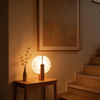
Lighting plays an important role in Scandinavian interiors.
Because Nordic environments experience long periods of limited daylight, lighting is often used to create warmth and atmosphere.
Popular directions include:
- Warm LED lighting
- Simple silhouettes
- Natural materials
- Soft diffused light
- Portable lamps
- Table lamps
- Sculptural lighting
A decorative lamp can provide both practical illumination and a warm visual focal point.
2. Natural Wood Accessories
Wood is strongly associated with Nordic design.
Common applications include:
- Trays
- Frames
- Bookends
- Small sculptures
- Candle holders
- Storage products
- Decorative bases
Light-colored wood can work particularly well with neutral interiors because it adds warmth without making the room visually heavy.

3. Neutral Colors
Scandinavian interiors often use a restrained color palette.
Common colors include:
- White
- Beige
- Cream
- Light gray
- Warm brown
- Soft green
- Muted blue
This does not mean Scandinavian interiors have to be completely monochromatic.
A small amount of muted color can create contrast while maintaining a calm overall appearance.
4. Organic Shapes
Modern Scandinavian design increasingly incorporates softer shapes.
Examples include:
- Rounded tables
- Curved lamps
- Organic mirrors
- Sculptural vases
- Soft-edged storage
- Nature-inspired objects
Organic forms can make minimalist interiors feel warmer and less rigid.
5. Functional Home Accessories
Functionality is one of the defining characteristics of Scandinavian-inspired products.
Instead of adding an object purely for decoration, designers often consider how it can improve everyday living.
Examples include:
- Decorative storage
- Desk organizers
- Functional trays
- Bookends
- Multifunctional lamps
- Wall organizers
The ideal product should feel useful without sacrificing visual simplicity.

6. Scandinavian-Style Vases and Planters
Plants add natural color and texture to neutral interiors.
Simple ceramic, glass, wood, or stone-inspired planters can complement Scandinavian spaces without overwhelming them.
Popular design directions include:
- Simple silhouettes
- Matte surfaces
- Soft colors
- Organic shapes
- Natural textures
Small planters are also practical for apartments and compact homes.
7. Cozy Textiles
Scandinavian interiors are often associated with comfort and warmth.
Textiles can include:
- Wool
- Linen
- Cotton
- Knitted materials
- Soft blankets
- Cushions
- Rugs
Texture is especially important because it adds warmth to otherwise minimal spaces.
8. Ceramic and Handmade-Looking Objects
Ceramics can introduce subtle texture and craftsmanship into Scandinavian interiors.
Popular products include:
- Vases
- Bowls
- Candle holders
- Small decorative objects
- Tabletop accessories
Products with handmade-looking surfaces can add character without creating visual clutter.
9. Scandinavian Artwork
Artwork can prevent a minimalist interior from feeling too generic.
Suitable themes can include:
- Abstract art
- Nature
- Botanical illustrations
- Landscapes
- Simple geometric patterns
- Photography
- Line drawings
The artwork does not need to dominate the room.
A carefully selected small piece can provide enough personality.
10. Decorative Mirrors
Mirrors can make compact interiors feel brighter and more spacious.
Scandinavian-inspired mirrors often emphasize:
- Simple frames
- Natural materials
- Rounded shapes
- Minimal detailing
- Soft silhouettes
This makes mirrors both decorative and functional.
11. Small Sculptural Objects
Minimalist interiors benefit from carefully selected statement objects.
These might include:
- Abstract sculptures
- Animal figures
- Architectural forms
- Natural shapes
- Geometric objects
The important principle is restraint.
One distinctive object can often have more impact than many small decorations competing for attention.
12. Decorative Trays
A simple tray can combine organization and decoration.
It can be used for:
- Coffee
- Candles
- Books
- Perfume
- Jewelry
- Small accessories
Natural materials and simple shapes make trays particularly compatible with Scandinavian interiors.
13. Nature-Inspired Décor
Nature is an important source of inspiration for Nordic-style interiors.
Designs can reference:
- Trees
- Leaves
- Flowers
- Mountains
- Forests
- Animals
- Water
Nature-inspired décor can also provide subtle visual interest while maintaining a calm atmosphere.
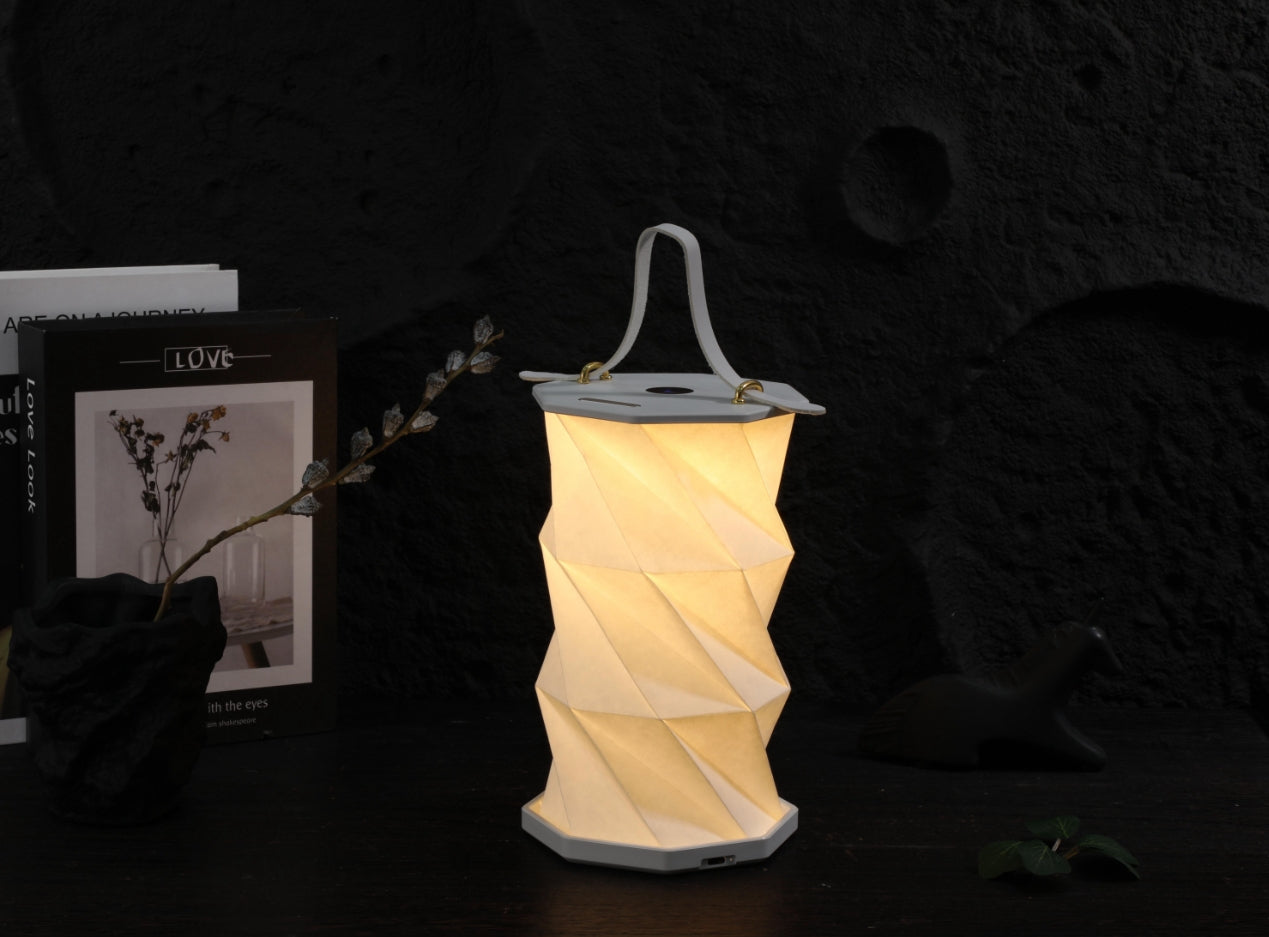
14. Portable and Rechargeable Lamps
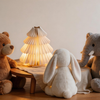
Portable lamps fit well with contemporary Scandinavian lifestyles because they provide flexibility without creating unnecessary visual complexity.
A rechargeable lamp can move between:
- Dining tables
- Bedside tables
- Desks
- Shelves
- Balconies
- Outdoor spaces
Simple design combined with warm light can make portable lighting feel like both a lifestyle product and a decorative object.
15. Multifunctional Scandinavian Décor
Scandinavian design naturally aligns with multifunctionality.
Products can combine:
- Decoration + storage
- Lighting + sculpture
- Seating + storage
- Organization + display
- Art + functionality
This is especially useful for consumers living in apartments or other space-conscious environments.
What Materials Work Best for Scandinavian Home Décor?
Materials should generally feel natural, tactile, and visually understated.
Popular choices include:
Wood — adds warmth and natural texture.
Paper and fiber-based materials — can create softness and diffused visual effects.
Ceramic — introduces craftsmanship and subtle texture.
Glass — provides a clean and lightweight appearance.
Linen and wool — add comfort through texture.
Metal — can provide a simple structural accent when used carefully.
The goal is not to use as many natural materials as possible.
It is to create a balanced combination of texture, warmth, and simplicity.
What Makes Scandinavian Décor Feel Cozy Instead of Cold?
Minimalism can sometimes make a room feel overly sterile.
Scandinavian interiors avoid this by adding warmth through:
- Warm lighting
- Natural wood
- Soft textiles
- Plants
- Rounded forms
- Personal artwork
- Tactile surfaces
This is an important distinction.
Minimal does not have to mean empty.
A successful Scandinavian interior can be simple while still feeling comfortable and lived-in.
Is Scandinavian Home Décor Good for Retail?
Scandinavian-inspired products can fit naturally into several retail categories:
- Home décor stores
- Lifestyle stores
- Furniture retailers
- Design shops
- Bookstores
- Gift shops
- Museum stores
- Online home retailers
The style is also relatively easy to translate into collections.
For example:
Nordic Nature Collection
Wood + Forest Artwork + Organic Shapes + Warm Lighting
Or:
Minimal Home Collection
Neutral Colors + Simple Forms + Functional Accessories + Portable Lighting
A consistent visual language can make several products feel like one collection.
How Can Brands Create Scandinavian-Inspired Products?
The most effective approach is not simply copying an existing Scandinavian product.
Instead, start with the underlying design principles:
Simple Form → Natural Material → Useful Function → Warm Atmosphere → Personal Detail
For example, a decorative lamp could use a simple silhouette but incorporate an original Nordic landscape, botanical illustration, or artist collaboration.
This keeps the product visually restrained while giving it a distinctive story.
Expert Tip
Don't confuse Scandinavian design with “plain design.”
A successful Scandinavian product can be highly distinctive.
The difference is that its personality usually comes from proportion, material, texture, light, craftsmanship, and subtle details rather than excessive decoration.
Key Takeaway
Scandinavian home décor is built around a simple idea:
Beautiful living does not require visual excess.
The strongest Scandinavian-inspired products combine:
Simplicity + Function + Natural Materials + Comfort + Personality
For brands and retailers, this creates opportunities across decorative lighting, home accessories, artwork, natural-material products, storage, tabletop products, and multifunctional décor.
The most successful products should not simply look Scandinavian.
They should capture the underlying Nordic idea of making everyday life more beautiful, comfortable, and functional.
Related Articles
- Home Décor Trends 2027
- Best Home Accessories
- Functional Home Décor
- Small Home Décor Products
- Lifestyle Home Products
- Decorative Lighting Trends 2027
- Best Home Décor Gifts
- Nature-Inspired Home Décor
- Minimalist Home Décor
About the Author
Kairos is Export Director at DECO, working with international retailers, cultural brands, art-related businesses, and product developers on customized cultural and creative product development.
About DECO
DECO develops customizable cultural and creative products for international markets, with a focus on decorative lighting and artwork-based product development.
DECO works with retailers and brands to develop products around artwork, nature, travel, architecture, cultural themes, seasonal designs, and artist collaborations—combining visual design with everyday functionality.
For more information, visit DECO.