How to Build a Distinctive Home Décor Product Collection
How to Build a Distinctive Home Décor Product Collection
Introduction
A successful home décor collection is about more than offering a variety of attractive products. It is about creating a consistent visual identity that helps customers connect different items and recognize the overall style of a brand or retailer.
For home décor retailers, wholesalers, and brands, a well-planned collection can make product displays more appealing, strengthen brand positioning, and create opportunities for customers to purchase complementary items.
However, building a distinctive collection requires careful planning. Buyers need to consider design themes, product categories, colors, materials, functionality, pricing, and the right manufacturing partners.
Decorative lighting can also play an important role. A distinctive lamp can become a visual highlight within a collection while connecting with other decorative accessories through coordinated artwork and design.
This guide explains how businesses can develop a cohesive and commercially attractive home décor product collection.
1. Start with a Clear Collection Theme
Every distinctive home décor collection needs a clear design direction.
Rather than selecting unrelated products individually, retailers should begin with a theme that connects the entire assortment.
A strong theme gives buyers a framework for choosing colors, patterns, materials, and product styles. It also makes the collection easier to present in retail stores and online.
Popular design directions include:
Botanical and Nature-Inspired
Featuring leaves, flowers, forests, wildlife, and natural textures. This theme works well for customers who prefer relaxed and nature-inspired interiors.
Minimalist and Contemporary
Using clean shapes, neutral colors, simple patterns, and understated decorative details.
Artistic and Creative
Combining illustrations, abstract patterns, artistic colors, and distinctive visual elements.
Cultural and Travel-Inspired
Featuring architecture, landmarks, city illustrations, and cultural references that give products a sense of place and storytelling.
Seasonal and Holiday
Using Christmas, spring, summer, and other seasonal themes to create collections for specific retail periods.
The most suitable theme depends on the target customer, retail channel, and brand identity.

2. Build a Balanced Product Assortment
A collection should offer enough variety to attract different customers while maintaining a recognizable design identity.
Instead of developing many similar products, retailers should consider combining different product formats and functions.
For example, a botanical home décor collection might include:
-
Decorative table lamps.
-
Small decorative ornaments.
-
Vases and planters.
-
Wall art and framed illustrations.
-
Decorative storage accessories.
-
Seasonal home decorations.
Within this assortment, each product serves a different purpose while sharing a consistent visual theme.
Decorative lighting can be particularly valuable because it combines practical function with visual appeal. It can also help connect different parts of a collection through matching artwork, colors, and materials.
For buyers, the objective is to create an assortment that feels complete without becoming repetitive.

3. Create Consistency Through Colors and Artwork
Color and artwork are among the most effective ways to create a recognizable home décor collection.
Even when products have different shapes and functions, consistent colors and visual elements can make them feel like part of the same range.
Retailers can develop a collection around:
-
A primary color palette and complementary colors.
-
Repeated illustrations or graphic patterns.
-
Similar material finishes.
-
Consistent decorative details.
-
A recognizable artistic style.
For example, a collection inspired by botanical illustrations might use green, beige, and warm neutral colors across decorative lamps, ornaments, and wall art.
An architectural collection might use city sketches, landmark illustrations, and coordinated colors to connect different products.
Artwork customization creates additional opportunities for product development. The same product structure can support multiple designs, allowing retailers to create different collections for different customer groups or seasons.

4. Combine Decorative Appeal with Practical Function
A distinctive home décor collection should not focus on appearance alone.
Customers often look for products that make their homes more attractive while also serving a practical purpose.
Decorative lighting is a good example of this combination.
A lamp can provide ambient illumination while functioning as a decorative object. Its shape, materials, artwork, and lighting effect all contribute to the overall interior atmosphere.
For example:
-
A decorative table lamp can enhance a bedside table or reading corner.
-
A sculptural lamp can become a focal point on a living room side table.
-
A compact decorative lamp can add visual interest to a shelf.
-
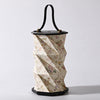
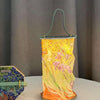
A creatively designed folding lamp can combine portability, illumination, and decorative appeal.
For buyers, it is important to understand the intended use of each product and how it fits into the collection.
A balanced assortment should include products that attract attention as well as products that offer practical everyday value.

5. Consider Seasonal and Year-Round Opportunities
A well-planned collection can include both evergreen products and seasonal designs.
Year-round products provide a consistent foundation for the assortment. Seasonal products create opportunities to introduce new designs and refresh retail displays throughout the year.
For example:
Year-round collections
-
Botanical and floral designs.
-
Minimalist decorative products.
-
Abstract and artistic patterns.
-
City and architectural themes.
-
Nature-inspired home accessories.
Seasonal collections
-
Christmas decorative lighting.
-
Spring floral collections.
-
Summer and coastal themes.
-
Autumn-inspired colors and patterns.
-
Holiday and celebration designs.
For retailers, this approach provides flexibility. Core products can remain available throughout the year, while seasonal variations help keep the collection fresh.
Manufacturers that support artwork customization can also help retailers adapt existing product structures to different seasonal themes without redesigning every product from scratch.

6. Use Customization to Create a Distinctive Collection
Customization allows home décor brands and retailers to create products that reflect their own identity rather than relying entirely on standard designs.
Depending on the product and manufacturing process, customization may include:
-
Custom artwork and illustrations.
-
Brand logos and visual identity.
-
Different color combinations.
-
Printed patterns and decorative surfaces.
-
Product dimensions and selected structural details.
-
Customized retail packaging.
For example, a retailer may want to develop a city-themed collection featuring illustrations of well-known destinations. Another brand may prefer botanical artwork that matches its existing home décor range.
For decorative lighting, artwork customization can be especially useful because the same lamp structure can be presented in multiple visual styles.
This gives retailers more flexibility when developing new collections, testing different themes, or creating exclusive designs for particular sales channels.
However, buyers should ensure that any third-party artwork, licensed images, or brand assets have the appropriate usage permissions before production.

7. Choose the Right Manufacturing Partner
A distinctive product collection requires a manufacturing partner that understands both product development and production requirements.
For retailers and home décor brands, the manufacturer should be able to support the project from initial product selection to sampling and bulk production.
Important factors include:
Product expertise
A manufacturer with established experience in its product category can provide practical suggestions on structure, materials, and production feasibility.
Customization capabilities
The ability to handle artwork, colors, printing, and packaging is important when developing exclusive collections.
Sampling support
Physical samples allow buyers to evaluate the actual product before committing to larger orders.
Quality control
Consistent materials, construction, printing, and product performance are important for maintaining the collection's quality.
Production capacity
The manufacturer should be able to support the expected order quantity and future replenishment requirements.
Communication
Clear specifications, artwork confirmation, sample approval, and production updates help reduce misunderstandings during development.
Retailers should also discuss relevant product testing and market compliance requirements with their manufacturing partner before production begins.

8. Plan for Future Collection Expansion
A good home décor collection should have room to grow.
Once a theme or product style performs well, retailers can introduce additional designs, formats, or complementary products to extend the range.
For example, a successful botanical collection could expand through:
-
New floral and leaf patterns.
-
Different decorative lamp designs.
-
Additional colors and sizes.
-
Matching packaging.
-
Seasonal botanical variations.
A city-inspired collection could expand to include more destinations, landmarks, and architectural illustrations.
This approach allows retailers to maintain a recognizable collection identity while introducing new products over time.
For buyers, collection expansion also makes it easier to plan repeat orders and develop long-term cooperation with manufacturers.
Conclusion: Build a Collection with a Clear Identity
Building a distinctive home décor product collection requires more than selecting attractive individual products. It involves creating a consistent design direction, choosing complementary product categories, combining decorative appeal with practical function, and planning opportunities for future expansion.
For retailers and home décor brands, customization can make the collection more recognizable and relevant to their target customers.
Decorative lighting offers an additional opportunity to connect artwork, materials, and functionality within a broader home décor range.
DECO specializes in cultural and creative folding lamps and custom decorative lighting. With in-house manufacturing and artwork customization capabilities, DECO develops products such as book-style folding lamps, rotating decorative lamps, and mini book lamps for home décor brands, wholesalers, and retail businesses.
Whether you are building a new home décor collection or expanding an existing range, DECO can support the development of distinctive decorative lighting products based on your approved designs.
Explore DECO's decorative lighting collection at www.decotechs.com.cn.