What Is OEM Manufacturing for Custom Decorative Lighting?
What Is OEM Manufacturing for Custom Decorative Lighting?
Introduction
Brands, retailers, and wholesalers often want to develop decorative lighting products that reflect their own visual identity. Instead of selling standard products available under multiple brands, they may prefer customized designs, exclusive artwork, branded packaging, or product variations developed for their target markets.
This is where OEM manufacturing becomes relevant.
OEM, or Original Equipment Manufacturing, is a manufacturing arrangement in which a factory produces products according to a buyer's requirements. Depending on the project, the buyer may provide the product design, artwork, specifications, or branding elements, while the manufacturer handles production and customization.
In the decorative lighting industry, OEM manufacturing can cover much more than printing a company logo on a lamp. It may involve customized artwork, product materials, colors, lighting components, structural details, and packaging.
Understanding how OEM manufacturing works can help buyers select the right factory, communicate their requirements clearly, and develop decorative lighting products that fit their brand and retail strategy.

1. What Does OEM Manufacturing Mean?
OEM manufacturing refers to a business model in which a manufacturer produces goods based on specifications and requirements provided by another company.
In this arrangement, the buyer typically owns or controls the brand identity and determines how the finished product should be presented in the market. The manufacturer provides the production capabilities, technical knowledge, materials, and manufacturing processes needed to produce the item.
For decorative lighting, an OEM project may involve:
-
Applying the buyer's artwork or brand identity to an existing product structure
-
Customizing product colors and printed patterns
-
Developing specific product dimensions or structural details
-
Selecting materials and lighting components
-
Creating customized retail packaging
-
Producing exclusive designs for a particular retailer or brand
The level of customization depends on the manufacturer's capabilities and the project's requirements.
For example, a home décor brand may choose an existing decorative lamp structure and customize its artwork, colors, and packaging. A licensing company may provide approved illustrations or character designs for a special product collection.
The finished products are manufactured for the buyer's commercial use under the agreed specifications.

2. How Does OEM Manufacturing Work for Decorative Lighting?
An OEM lighting project usually follows several stages, from the initial product discussion to final delivery.
Step 1: Define the Product Requirements
The buyer first identifies the intended product type, target market, retail channel, and customization requirements.
Important information may include product dimensions, materials, lighting functions, artwork, colors, estimated order quantity, and packaging preferences.
A clear product brief helps the manufacturer evaluate the project and recommend a suitable production approach.
Step 2: Select the Product Structure
The buyer and manufacturer determine whether to use an existing product structure or develop a new one.
Using an existing structure can simplify development and reduce the time required for sampling. A new structure may be appropriate when the project requires a distinctive shape, special functionality, or exclusive product design.
Step 3: Confirm Artwork and Customization Details
The buyer provides the approved artwork, logo, patterns, or design files.
The manufacturer adapts the artwork to the product's printable areas and prepares the production layout. Both parties should confirm the final design before sampling or printing.
Step 4: Develop and Approve Samples
Physical samples allow the buyer to evaluate the appearance, construction, printing quality, and lighting performance.
Any necessary adjustments should be completed before mass production.
Step 5: Confirm Specifications and Production
After sample approval, the manufacturer confirms the final specifications, packaging details, quantity, quality requirements, and production schedule.
Mass production then follows the approved sample and specifications.
Step 6: Inspection and Shipment
Finished products undergo the agreed quality inspection and functional checks before packaging and shipment.
Clear communication at every stage helps reduce errors and keeps the project aligned with the buyer's expectations.

3. What Can Buyers Customize in OEM Lighting Projects?
One of the main advantages of OEM manufacturing is the ability to adapt products to different brand identities and market requirements.
For decorative lighting, customization may cover several areas.
Artwork and Printing
Artwork is often one of the most visible customization elements. Buyers may provide company logos, illustrations, licensed artwork, photographs, seasonal graphics, or original patterns.
For example, a museum retailer may use authorized images of artworks or architectural landmarks, while a home décor brand may prefer botanical, geometric, or nature-inspired designs.
Product Colors and Materials
Depending on the product structure, buyers may select specific colors, material combinations, and surface finishes to match their collection.
Product Structure and Function
Some projects require changes to dimensions, construction, lighting components, charging methods, or other technical details. These changes should be evaluated with the manufacturer before the project is confirmed.
Packaging and Branding
Custom packaging can include logos, printed graphics, product descriptions, labels, and retail presentation details. It helps create a consistent brand experience from the product itself to the shelf.
The available customization options depend on the product category and the manufacturer's production capabilities. Buyers should confirm which changes can be made using existing tooling and which require additional development.
4. OEM Manufacturing vs. Standard Product Purchasing
Standard product purchasing and OEM manufacturing serve different business needs.
With standard purchasing, buyers select products from a manufacturer's existing collection. The products are generally supplied according to established specifications, with fewer changes to their appearance or presentation.
OEM manufacturing provides more flexibility. Buyers can customize selected product elements to create products that better match their brand, collection, or retail requirements.
For example, a wholesaler may purchase an existing decorative lamp in its standard design. A retail chain may choose the same product structure but request exclusive artwork and branded packaging for its own stores.
The choice depends on the buyer's objectives.
Standard purchasing may be suitable when the priority is straightforward sourcing and faster product selection. OEM manufacturing may be more appropriate when differentiation, brand identity, or exclusive product presentation is important.
Buyers should also consider development time, minimum order quantities, customization costs, and the need for sample approval.

5. What Should Buyers Prepare Before Starting an OEM Project?
A well-prepared project brief can make communication between the buyer and manufacturer more efficient.
Before requesting a quotation, buyers should consider preparing the following information:
Product Reference: Share product photos, links, drawings, or examples that communicate the desired product style.
Artwork Files: Provide high-resolution artwork, logos, patterns, or other approved visual assets.
Technical Requirements: Specify dimensions, materials, lighting functions, power requirements, and any market-specific standards.
Target Quantity: Provide an estimated order quantity and the number of designs required.
Packaging Requirements: Explain whether standard packaging is acceptable or whether custom boxes, labels, or printed sleeves are needed.
Target Market: Identify the countries or regions where the products will be sold so that relevant compliance requirements can be reviewed.
For licensed artwork and intellectual property, buyers should also confirm that they have the necessary rights and approvals for the intended product category and sales territory.
The more complete the initial information, the easier it is for the manufacturer to evaluate feasibility, estimate costs, and suggest a suitable development plan.

6. How to Choose the Right OEM Decorative Lighting Manufacturer
The manufacturer plays an important role in product quality, customization possibilities, and long-term supply stability.
Buyers should evaluate more than the quotation when comparing potential suppliers.
Manufacturing Specialization
Look for a factory with relevant experience in decorative lighting rather than relying only on general manufacturing capabilities.
Customization Experience
Check whether the manufacturer can handle artwork adaptation, printing, product customization, and packaging development.
Sampling Capabilities
A reliable manufacturer should have a clear sampling and approval process, allowing buyers to review the physical product before mass production.
Quality Control
Ask how the factory manages material inspection, assembly checks, lighting tests, and finished-product inspection.
Production Capacity
Evaluate whether the manufacturer can support the required order quantity and maintain consistent quality for repeat orders.
Communication and Technical Support
Clear communication is essential when working with custom designs. The manufacturer should be able to explain technical limitations, identify potential issues, and provide practical solutions during development.
A suitable manufacturing partner should not simply accept every request. It should also help buyers understand what is technically feasible and how to achieve the desired result efficiently.

7. Why Work with a Specialized Decorative Lighting Manufacturer?
Working with a specialized manufacturer can make OEM development more efficient because the factory already understands the product structures, materials, printing methods, and production requirements involved.
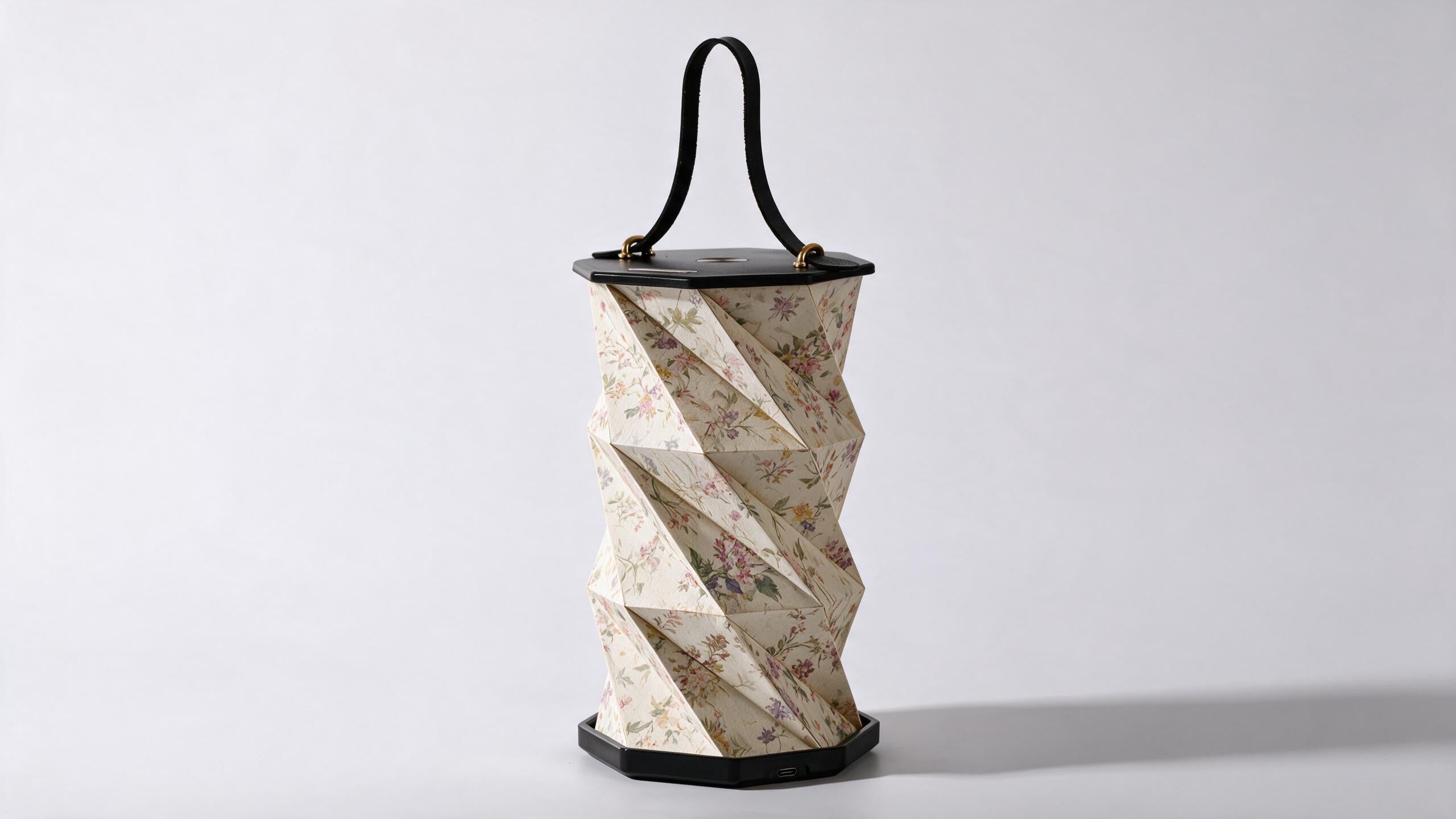
DECO specializes in cultural and creative folding lamps and custom decorative lighting. Its product range includes book-style folding lamps, rotating decorative lamps, mini book lamps, and other creative lighting products.
For OEM projects, DECO supports customization based on approved artwork, brand patterns, logos, and licensed designs. Buyers can also discuss product variations and custom packaging according to their project requirements.
This allows retailers, wholesalers, home décor brands, and IP owners to explore distinctive decorative lighting products without needing to establish their own lighting production facilities.
For businesses planning a new collection, the first step is to share the product concept, artwork, and estimated quantity so that the manufacturing requirements can be evaluated.
Conclusion
OEM manufacturing provides brands, retailers, and wholesalers with a practical way to develop decorative lighting products that match their own market positioning and visual identity.
From artwork printing and product customization to sampling, packaging, and mass production, each stage requires clear specifications and effective cooperation between the buyer and manufacturer.
Choosing a specialized factory with relevant product experience, customization capabilities, and reliable quality management can help reduce development risks and create a more consistent final product.
DECO specializes in cultural and creative folding lamps and custom decorative lighting, supporting OEM projects through product customization, artwork printing, sampling, and packaging development.
Looking for an OEM manufacturer for your next decorative lighting collection? Contact DECO to discuss your product requirements and customization ideas.