How to Develop Custom Lighting Products for Brand Collaborations
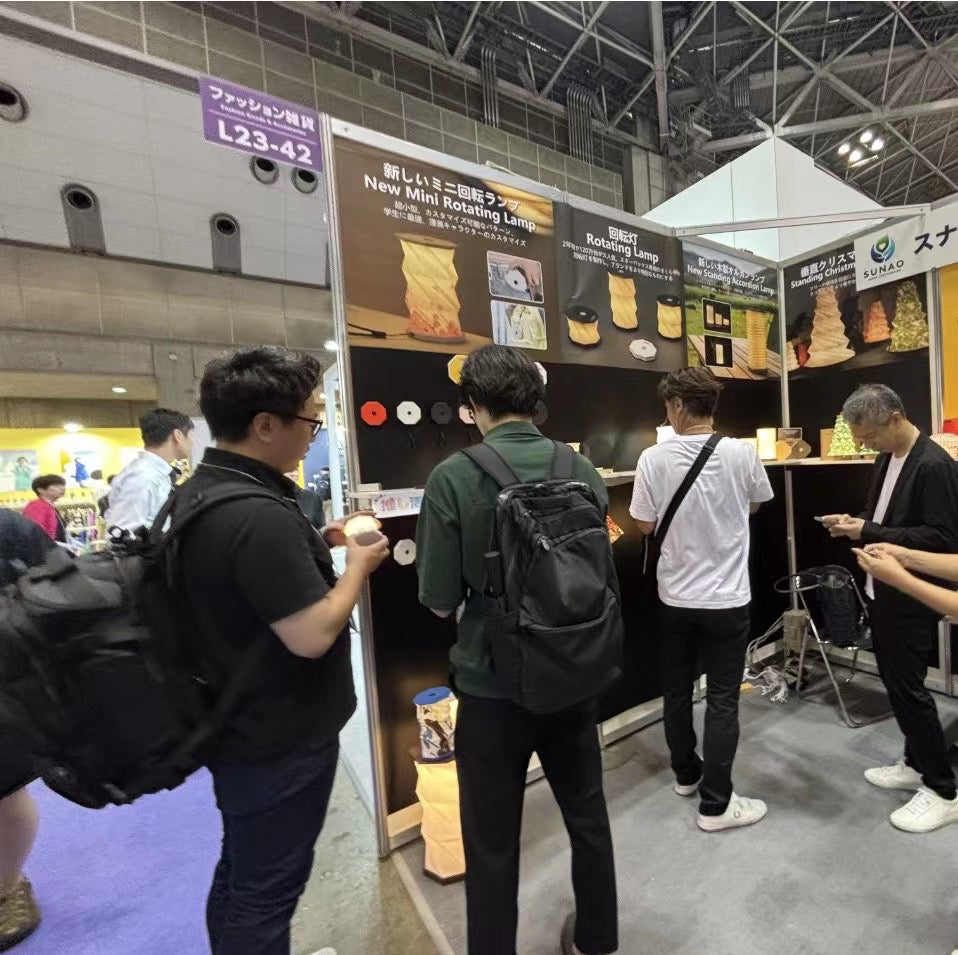
How to Develop Custom Lighting Products for Brand Collaborations
Introduction
Brand collaborations create opportunities to bring a company's visual identity, creative concepts, and intellectual property into new product categories. While apparel, stationery, accessories, and home décor are common choices, lighting offers another interesting way to translate a brand's identity into functional and decorative products.
Custom lighting products can combine visual storytelling with everyday use. A recognizable illustration, signature pattern, licensed character, company logo, or artistic concept can become part of a decorative lamp designed specifically for a collaboration.
However, developing a successful lighting product requires more than printing a logo onto an existing item. Brands need to consider product structure, artwork adaptation, lighting performance, materials, packaging, manufacturing capabilities, and intellectual property rights.
This guide explains the key steps involved in developing custom lighting products for brand collaborations, from the initial concept to finished production.


1. Start with the Brand's Identity and Collaboration Concept
Every successful collaboration should begin with a clear understanding of the brand.
Before selecting a lighting format, identify the visual and creative elements that make the brand recognizable. These may include:
-
Brand logos and signature colors
-
Illustrations and graphic patterns
-
Licensed characters and entertainment properties
-
Artistic collections and signature artwork
-
Brand stories, themes, and cultural references
-
Seasonal campaigns or special-edition concepts
The objective is to translate these elements into a product that feels consistent with the brand rather than simply adding a logo to a standard lamp.
It is also important to define the purpose of the collaboration. A product developed for a fashion brand's home collection may require a different appearance from one created for a museum, entertainment property, or corporate anniversary.
A clear creative direction helps the product development team make better decisions about materials, shapes, printing methods, and product presentation.
2. Choose the Right Lighting Format
Once the collaboration concept is established, the next step is selecting a suitable product format.
Different lighting structures offer different ways to present artwork and brand elements. The right choice depends on the intended audience, retail channel, price positioning, and design requirements.
Some possible formats include:
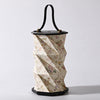
Decorative folding lamps
Folding lamps can display artwork across multiple inner pages or surfaces. Their opening and closing structure creates a distinctive presentation, making them suitable for artistic themes, illustrations, and visual storytelling.
Rotating decorative lamps
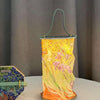
Rotating decorative lamps provide an additional visual element through movement. They can be developed around seasonal themes, decorative patterns, architectural inspiration, or licensed artwork.
Mini book lamps
Compact book-style lamps can work as smaller branded products, collectible items, or complementary products within a wider collaboration collection.
Themed decorative lamps
A specific shape, material, or decorative structure can be selected to support a brand's design language and product positioning.
Rather than choosing a product simply because it looks attractive, brands should consider how it fits into their existing product portfolio and where customers are likely to use or purchase it.


3. Adapt Artwork to the Product Structure
One of the most important stages in custom lighting development is adapting the original artwork to the physical structure of the product.
Artwork designed for a flat poster, book cover, or digital screen may not work directly on a lighting product. The design needs to be adjusted according to the product's dimensions, printing areas, folds, curves, and assembled appearance.
For example, a book-style folding lamp may require artwork to be divided across multiple inner pages. Designers need to consider how the images connect when the lamp is opened and how the overall composition appears when it is closed.
For rotating decorative lamps, artwork placement should account for the product's shape, rotation, and viewing angles.
During this process, brands and manufacturers should review:
-
Artwork dimensions and printable areas
-
Color consistency and printing quality
-
Image alignment across different sections
-
Important visual elements that must remain visible
-
How the design appears when the lamp is illuminated
-
Whether the final layout follows the brand's visual guidelines
A digital mockup can help both parties evaluate the design before physical sampling begins.
4. Develop a Functional and Visually Consistent Product
A custom lighting product must deliver more than visual appeal. It should also function reliably and meet the expectations of its intended market.
Product development should consider both design and technical requirements.
Important factors include:
Lighting performance: Evaluate brightness, light color, LED configuration, and the atmosphere created by the product.
Power and charging: Determine the appropriate power supply, battery configuration, charging method, and expected operating time.
Materials and construction: Select materials that support the product's appearance, durability, weight, and intended application.
Product safety: Review applicable electrical, battery, and product safety requirements for the target market.
User experience: Consider how customers open, close, operate, charge, display, and store the product.
The technical specifications should be established early rather than postponed until the final production stage. This helps reduce unnecessary design changes and makes the collaboration easier to manage.

5. Create Samples and Approve the Final Design
Before mass production, physical sampling is an essential step.
A digital rendering can communicate the general concept, but it cannot fully demonstrate the actual material, printing quality, lighting effect, construction, and user experience.
During sampling, the brand and manufacturer should evaluate:
-
Whether the physical product matches the approved design
-
Whether colors and artwork are reproduced accurately
-
Whether the product structure works as expected
-
Whether the lighting effect meets expectations
-
Whether packaging protects the product properly
-
Whether any adjustments are needed before production
For licensed collaborations, the approval process may also involve the brand owner, licensing team, or intellectual property representative.
It is helpful to establish clear approval responsibilities and document the final specifications. This reduces misunderstandings when the project moves into mass production.

6. Customize Packaging for the Collaboration
Packaging is an important part of the overall product experience.
For a brand collaboration, standard packaging may not communicate the value or identity of the collection effectively. Custom packaging allows the collaboration to feel more complete and creates a consistent presentation across the product and its retail display.
Brands may consider:
-
Custom gift boxes and printed sleeves
-
Brand logos and signature colors
-
Product descriptions and storytelling
-
Licensed artwork and collection graphics
-
Product labels and retail information
-
Packaging formats suitable for shipping and display
Packaging should also be designed around the product's dimensions and protection requirements. A visually attractive box must still protect the lighting product during transportation, storage, and retail handling.
For retailers and distributors, clear packaging and consistent product presentation can also make the collection easier to merchandise.
Customization Experience
Choosing the right manufacturing partner can significantly influence the outcome of a brand collaboration.
A suitable manufacturer should understand both product engineering and visual customization. The ability to print artwork is only one part of the process. The manufacturer must also be able to manage structural development, materials, lighting components, sampling, quality control, and production consistency.
When evaluating a potential partner, brands should consider:
Product specialization: Does the manufacturer have experience with the specific lighting structures and product categories required?
Customization capabilities: Can the factory support custom artwork, colors, printing, product variations, and packaging?
Sampling and development: Can the manufacturer turn a creative concept into a physical sample and make adjustments efficiently?
Quality management: Are there established procedures for material inspection, assembly checks, functional testing, and finished-product inspection?
Production capacity: Can the factory support the required quantity and maintain consistent quality across repeat orders?
Communication and project management: Can the manufacturer provide clear technical feedback, production updates, and documentation throughout the project?
For international collaborations, it is also important to discuss market-specific compliance requirements before confirming the product specifications.
DECO specializes in cultural and creative folding lamps and custom decorative lighting. Its product range includes book-style folding lamps, rotating decorative lamps, and mini book lamps. The factory supports customized artwork printing and packaging development, helping brands translate approved visual concepts into finished lighting products.

8. Plan for Future Collection Development
A successful collaboration does not always need to end with one product.
Once the initial lighting product has been introduced, brands may explore additional designs, seasonal editions, or complementary product formats.
For example, one visual concept could be developed into several product variations using different artwork, colors, or packaging. A successful collection could also expand into multiple lighting formats for different retail channels.
However, future development should be based on actual customer feedback, sales performance, and the brand's product strategy.
A well-planned collaboration can create opportunities for repeat orders, new collections, and longer-term cooperation between brands and manufacturers.
Conclusion
Developing custom lighting products for brand collaborations requires a combination of creative direction, product engineering, artwork adaptation, sampling, packaging, and reliable manufacturing.
The most effective projects begin with a clear brand concept and select a product format that supports the intended visual story. From there, careful design adaptation and technical development help transform the concept into a functional product that meets the brand's expectations.
For brands, IP owners, and product development teams exploring new decorative product categories, working with a specialized lighting manufacturer can make the development process more structured and efficient.
DECO specializes in cultural and creative folding lamps and custom decorative lighting, supporting brands with product customization, artwork printing, sampling, and packaging development.
Planning a custom lighting collection for your next brand collaboration? Contact DECO to discuss your concept and explore suitable product development options.