How to Develop Private Label Decorative Products for Retail Chains
How to Develop Private Label Decorative Products for Retail Chains
Introduction
For retail chains, developing private label products is an effective way to build brand recognition, differentiate product assortments, and create more control over product design and positioning.
Instead of selling exactly the same products available at competing retailers, businesses can develop collections that reflect their own brand identity, target customers, and retail strategy.
Decorative products are particularly suitable for this approach. Their appearance, materials, colors, artwork, and packaging can all be adapted to create a distinctive retail offering.
However, successful private label development involves more than adding a logo to an existing product. Retailers need to consider product selection, design direction, customization, manufacturing capabilities, packaging, quality control, and long-term supply.
This guide explains the key steps retail chains should follow when developing private label decorative products.
1. Start with a Clear Product Strategy
Before contacting manufacturers, retailers should define what they want their private label collection to achieve.
Some retailers want to introduce exclusive products that strengthen their brand identity. Others want to expand an existing home décor category, develop seasonal collections, or offer products at specific price points.
A clear product strategy helps prevent unnecessary development costs and makes communication with manufacturers more efficient.
Retail buyers should consider several questions:
-
Who is the target customer?
-
Which product category should the collection focus on?
-
What price range is suitable for the retail channel?
-
Will the products be sold year-round or seasonally?
-
Should the collection follow an existing brand identity or introduce a new design direction?
-
Will the products be exclusive to the retail chain?
For example, a home décor retailer may want a contemporary collection featuring decorative lighting and artistic accessories. A supermarket chain may prefer compact, visually attractive products that are suitable for seasonal promotions or everyday retail displays.
The product strategy should guide every decision that follows.

2. Select the Right Products for Your Retail Channel
Not every decorative product is suitable for every retail business.
A product that performs well in a specialist home décor store may not be appropriate for a supermarket or a large lifestyle retail chain.
Retailers should evaluate products according to their sales environment and customer expectations.
For supermarkets and mass-market retailers
Products should be easy to understand, visually attractive, practical to display, and suitable for the target price range. Compact packaging and seasonal themes may also be important.
For home décor retailers
Design, materials, color coordination, and compatibility with different interior styles are often major considerations. Products should fit into a broader home décor assortment.
For lifestyle and specialty retailers
Distinctive concepts, creative artwork, and products with a recognizable visual identity can help create a more curated assortment.
For museum and cultural retail chains
Products inspired by artwork, architecture, cultural collections, or local landmarks may offer opportunities for themed and exclusive collections, subject to the necessary usage permissions.
For buyers, the goal is not simply to find attractive products. It is to select products that fit the retail channel and support a clear commercial strategy.

3. Develop a Design Direction That Reflects Your Brand
A successful private label collection should have a recognizable design identity.
This does not necessarily mean creating a completely new product structure. In many cases, retailers can use an existing product format and customize its visual appearance to match their brand.
The design direction may be based on:
-
Brand colors and visual identity.
-
Specific themes or seasonal concepts.
-
Illustration and artwork styles.
-
Materials and surface finishes.
-
Patterns and decorative details.
-
Packaging design.
For example, a retailer with a nature-inspired brand identity might develop decorative products featuring botanical illustrations, forest colors, and natural visual elements.
A contemporary lifestyle brand might prefer abstract artwork, geometric patterns, or minimalist designs.
The important point is consistency. When multiple products share a recognizable visual language, customers can identify them as part of the same collection.
Retailers should prepare a design brief or reference images before development begins. This gives the manufacturer a clearer understanding of the intended appearance and reduces unnecessary revisions.

4. Decide Between Existing Product Customization and New Product Development
One of the most important decisions in private label development is determining how much customization is required.
Retailers generally have two approaches.
Option A: Customize an Existing Product
This approach uses an established product structure and adapts its appearance through:
-
Custom artwork and patterns.
-
Brand logos and visual elements.
-
Customized colors.
-
Printed inner pages or product surfaces.
-
Private label packaging.
It is often a practical starting point for retailers that want to introduce exclusive designs without developing an entirely new product.
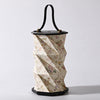
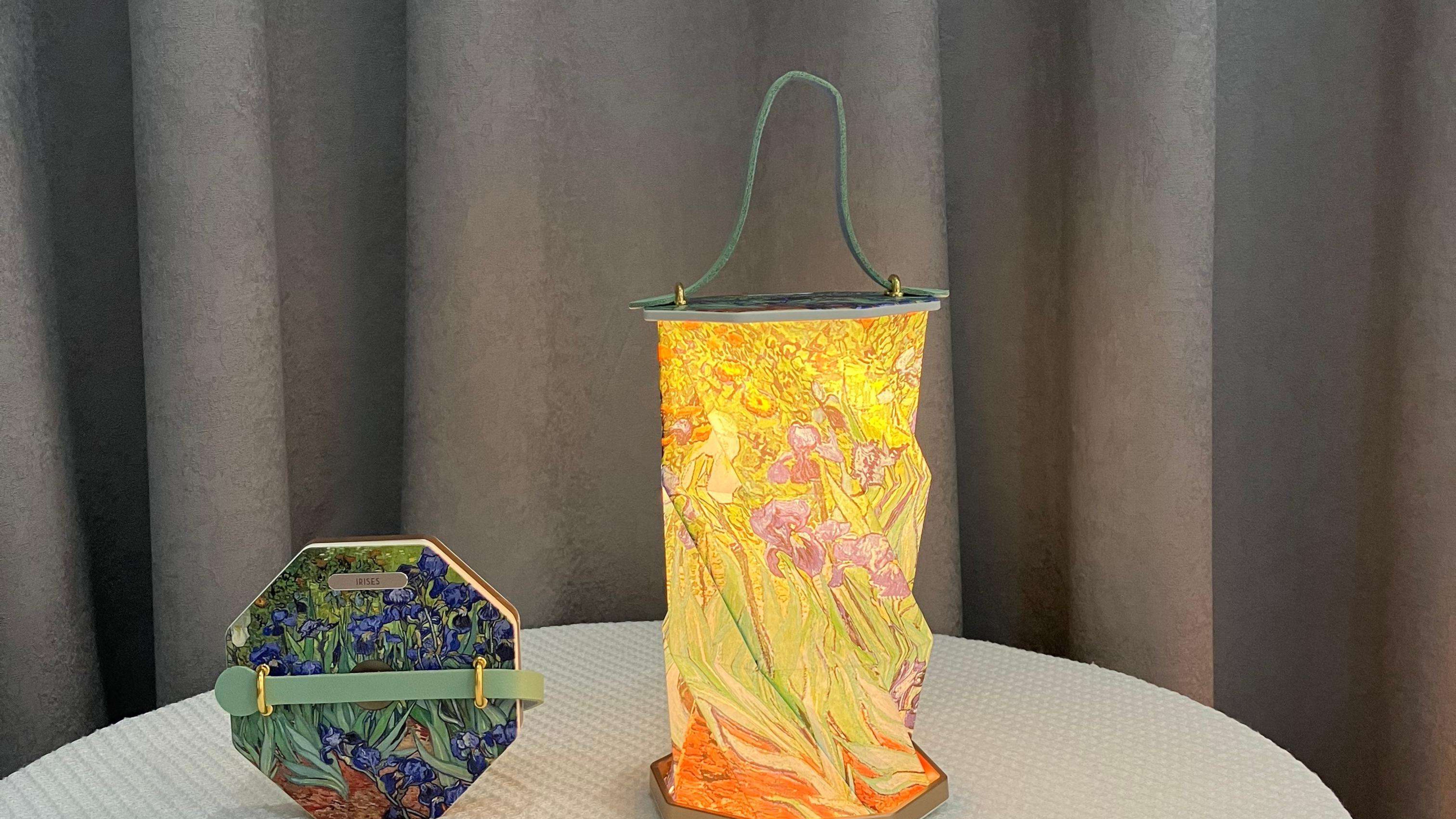
For example, the same decorative lamp structure can feature botanical artwork, city illustrations, seasonal patterns, or a retailer's own approved designs.
Option B: Develop a New Product
For retailers with more specific requirements, manufacturers can work on new product structures, materials, dimensions, functions, or packaging concepts.
This approach may require additional design work, engineering evaluation, tooling, sampling, and testing.
The decision depends on the retailer's budget, timeline, sales strategy, and desired level of product differentiation.
For many retail chains, starting with an existing product structure and developing a distinctive visual collection can be an efficient way to test market response before investing in more extensive product development.

5. Choose a Manufacturer with OEM and ODM Capabilities
The manufacturing partner plays an important role in the success of a private label project.
Retail chains need more than a supplier that can print a logo. They need a manufacturer capable of understanding product requirements, supporting customization, managing sampling, maintaining quality, and handling repeat production.
When evaluating a manufacturer, buyers should consider:
Product expertise
Does the manufacturer specialize in the relevant product category? A factory with established product knowledge can provide more practical recommendations during development.
Customization capabilities
Can it support artwork printing, color adjustments, structural changes, and customized packaging?
Sampling and development
Can the manufacturer produce samples for evaluation before bulk production? Is there a clear approval process?
Production capacity
Can the factory handle the expected order volume and maintain consistent production standards?
Quality management
Does it have defined inspection procedures and the ability to address quality issues?
Communication and documentation
Can the manufacturer provide clear specifications, quotations, production updates, and relevant compliance documents?
For retail chains, the right manufacturing partner should be able to support both initial product development and future replenishment.

6. Develop Packaging That Supports Your Brand
Packaging is an important part of private label product development.
For retail chains, packaging needs to do more than protect products during transportation. It also communicates brand identity, presents product information, and influences how products look on retail shelves.
A well-designed package should consider:
-
Brand logo and visual identity.
-
Product name and key features.
-
Product images or illustrations.
-
Product dimensions and specifications.
-
Barcode and retail labeling requirements.
-
Packaging materials and transportation protection.
-
Retail display requirements.
For example, a decorative lighting collection may use coordinated packaging across several product designs. The artwork can change according to each product, while the overall layout, colors, and branding remain consistent.
Retailers should also confirm packaging requirements early in the development process. This helps avoid delays caused by late changes to artwork, labels, or packaging specifications.
7. Approve Samples Before Mass Production
Sampling is an essential stage in private label product development.
Before placing a bulk order, retailers should review physical samples to confirm that the product meets the approved design and technical requirements.
A typical sample approval process includes:
-
Confirm the product specifications and artwork.
-
Review the manufacturer's initial design proposal.
-
Produce a physical sample.
-
Check appearance, materials, dimensions, and functionality.
-
Review packaging and product labeling.
-
Provide feedback and request adjustments if necessary.
-
Approve the final sample before mass production.
Retail buyers should pay particular attention to the consistency between the approved sample and the final production requirements.
For decorative lighting products, this may include checking the printed artwork, opening and closing structure, lighting performance, charging functions where applicable, and overall product appearance.
Clear sample approval helps reduce misunderstandings and provides a reference for bulk production.

8. Plan Quality Control and Long-Term Supply
Private label development does not end when the first order is shipped.
For retail chains, product consistency across multiple stores and repeat orders is essential. A successful launch should be supported by a reliable quality control and supply plan.
Before production, buyers and manufacturers should agree on:
-
Approved product specifications.
-
Material and component requirements.
-
Artwork and color references.
-
Packaging standards.
-
Inspection criteria.
-
Applicable testing and compliance requirements.
-
Production lead times and delivery schedules.
The required testing and documentation will depend on the product category and the markets where the products will be sold. Retailers should provide the applicable market requirements early so the manufacturer can assess them before production.
For products with repeat-order potential, retailers should also establish a clear process for confirming artwork versions, packaging files, and product specifications.
This is particularly important when a collection includes multiple designs or is distributed across different retail locations.
Conclusion: Build a Private Label Collection with the Right Manufacturing Partner
Developing private label decorative products requires a clear strategy, a consistent design direction, suitable product selection, and a reliable manufacturing partner.
For retail chains, the objective is not simply to put a brand logo on an existing product. It is to create a distinctive collection that reflects the retailer's identity and meets the expectations of its customers.
From product customization and artwork development to sampling, packaging, and bulk production, each stage contributes to the final result.
DECO is a manufacturer specializing in cultural and creative folding lamps and custom decorative lighting. With in-house production and customization capabilities, DECO supports retail buyers, wholesalers, and brands in developing products with custom artwork, patterns, and packaging.
Retail chains interested in adding distinctive decorative lighting to their private label collections can explore DECO's product range and discuss OEM/ODM development opportunities.
Visit www.decotechs.com.cn to explore DECO's decorative lighting products.