How Retail Buyers Discover Innovative Decorative Products

How Retail Buyers Discover Innovative Decorative Products


Introduction
Retail buyers are constantly looking for products that can make their stores more attractive, differentiate their collections, and create new sales opportunities.
However, discovering innovative decorative products is not always straightforward.
New products can come from emerging design trends, international trade shows, supplier recommendations, consumer feedback, competitor research, and direct communication with manufacturers.
For buyers responsible for retail stores, wholesale distribution, supermarkets, or home décor collections, the challenge is not simply finding something new. It is identifying products that combine attractive design, commercial potential, reliable supply, and a suitable price point.
A product may look interesting at first, but buyers still need to understand whether it fits their customers, retail positioning, and business model.
This article explores how retail buyers discover new decorative products and what they should consider before introducing them into their collections.
1. Explore Trade Shows and Industry Exhibitions
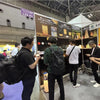
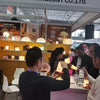
Trade shows remain an important channel for discovering new products and suppliers.
Unlike browsing online catalogs, visiting an exhibition allows buyers to see products in person, examine materials, understand product structures, and communicate directly with manufacturers.
For decorative products, this is particularly valuable because appearance, texture, size, and functionality can influence purchasing decisions.
Retail buyers can discover new product opportunities through exhibitions covering:
-
Home décor and interior products.
-
Consumer goods and lifestyle products.
-
Decorative lighting.
-
Gifts and cultural creative products.
-
Furniture and home accessories.
-
Promotional and licensed products.
Trade shows also provide opportunities to compare different suppliers and identify manufacturers with relevant production capabilities.
When visiting an exhibition, buyers should look beyond products that are already familiar.
A product from an adjacent category may offer an opportunity to introduce something different into an existing retail collection.
For example, a home décor retailer that traditionally sells decorative accessories may discover an opportunity in creative lighting products that combine artistic design with practical use.

2. Follow Consumer Interests and Emerging Design Themes
Retail buyers should also pay attention to changes in consumer interests.
Decorative products are closely connected to lifestyle preferences, interior design, personal interests, and seasonal purchasing occasions.
Rather than following every new trend, buyers can identify themes that have the potential to become coherent retail collections.
Some examples include:
Nature-Inspired Designs
Botanical illustrations, flowers, leaves, wildlife, and natural landscapes can be developed into decorative collections.
Art and Illustration
Products featuring original artwork, artistic patterns, and licensed illustrations can appeal to consumers interested in creative design.
City and Landmark Themes
Products inspired by recognizable destinations, architecture, and local culture may be suitable for tourism retail and museum shops.
Seasonal Collections
Christmas, Halloween, spring, and other seasonal themes can provide opportunities for limited-time retail collections.
Contemporary Home Décor
Products that combine distinctive visual design with practical use can complement modern home décor assortments.
The important point is to understand the target consumer rather than simply copying a popular design.
A retail buyer should ask:
-
Does this theme fit our customer base?
-
Can it complement our existing product range?
-
Is there enough variety to develop a collection?
-
Will the product remain relevant beyond a short trend cycle?


3. Use Online Platforms to Discover New Suppliers and Products
Online research has become an essential part of retail product sourcing.
Buyers can use search engines, B2B marketplaces, supplier websites, social media, and online catalogs to discover products before contacting manufacturers.
Different platforms serve different purposes.
Search Engines
Search engines help buyers explore product categories, identify manufacturers, and research specific sourcing requirements.
For example, buyers may search for:
-
Wholesale decorative lighting.
-
Innovative home décor products.
-
Decorative lighting manufacturers.
-
Custom decorative products.
-
Wholesale home accessories.
B2B Marketplaces
Platforms such as Alibaba can help buyers discover suppliers, review product catalogs, and compare manufacturing options.
Supplier Websites
A manufacturer's website can provide more detailed information about its product range, factory capabilities, customization options, and cooperation process.
Social Media
Visual platforms such as Instagram, Pinterest, and TikTok can help buyers discover emerging product styles, creative applications, and new design ideas.
However, discovering a product online is only the first step.
Buyers should verify whether the supplier is a manufacturer, whether the product is actually available, and whether the company can support the required customization and order quantities.
A professional supplier website should provide enough information for buyers to understand the product and determine whether it is relevant to their business.
4. Look Beyond Familiar Product Categories
One way retail buyers can discover innovative products is by exploring categories beyond their current assortment.
Many retailers rely on familiar product categories because they understand their customers and have established purchasing processes.
However, introducing complementary products can create opportunities to refresh a collection.
For example:
-
A bookstore may explore artistic home décor products.
-
A museum shop may introduce decorative products featuring licensed artwork.
-
A home décor retailer may add creative lighting to its existing accessories collection.
-
A supermarket may test compact decorative products with broad consumer appeal.
-
A gift and lifestyle retailer may explore functional products with distinctive visual design.
The key is to identify products that complement existing merchandise rather than introducing unrelated items.
Decorative Lighting as a New Retail Category
Decorative lighting is an interesting example of a product category that can connect design and functionality.
Traditional lighting products often focus primarily on illumination, while decorative lighting can place greater emphasis on visual appearance and interior presentation.
Some products also offer opportunities for artwork customization and themed collections.
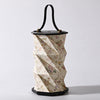
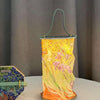
For example, book-style folding lamps combine a book-like structure with illuminated inner pages. Different designs can feature botanical illustrations, city artwork, seasonal patterns, or licensed images.
For retailers, this creates opportunities to introduce a product that combines decorative value with practical lighting.

5. Evaluate Whether a New Product Fits Your Retail Business
Discovering a new product does not automatically mean it is suitable for your store.
Retail buyers need to evaluate the commercial potential before making a purchasing decision.
Several factors should be considered.
Customer Appeal
Does the product match the preferences and expectations of your target consumers?
Retail Positioning
Does it fit your store's brand identity, product category, and price positioning?
Product Differentiation
Does it offer something different from products already available in your collection?
Retail Price and Margin
Can the product support a suitable retail price and expected profit margin?
Packaging and Display
Is the product easy to display, explain, and sell in a retail environment?
Supplier Reliability
Can the manufacturer maintain consistent quality and deliver orders on schedule?
Reorder Potential
If the product performs well, can the supplier support repeat orders and additional designs?
For buyers introducing an unfamiliar product category, it may be sensible to begin with a controlled test order before expanding into larger quantities.
This allows the retailer to evaluate consumer response and actual sales performance.
6. Assess the Manufacturer Behind the Product
An attractive product is only part of a successful sourcing decision.
The manufacturer must also be capable of supporting the buyer's commercial requirements.
When evaluating a potential supplier, buyers should understand:
-
Whether the company is a direct manufacturer.
-
Its experience in the relevant product category.
-
Its production equipment and manufacturing capabilities.
-
Its minimum order quantities.
-
Its customization options.
-
Its sample development process.
-
Its quality control procedures.
-
Its export experience and delivery arrangements.
For customized decorative products, buyers should also clarify whether the manufacturer can handle artwork preparation, printing, packaging, and product development.
This is especially important for retailers planning private-label collections or exclusive designs.
A manufacturer with relevant product expertise can provide more practical advice about product structure, material selection, customization limitations, and production feasibility.

7. Request Samples Before Placing a Larger Order
Product photographs and online descriptions cannot fully replace physical inspection.
Before committing to a larger order, buyers should request samples when practical.
A sample allows the purchasing team to evaluate:
Appearance
Check colors, printing quality, materials, dimensions, and overall design.
Functionality
Test the product's intended functions and usability.
Packaging
Review how the product is presented and whether the packaging is suitable for retail display.
Product Quality
Check workmanship, structure, and finishing details.
Customer Suitability
Consider whether the product meets the expectations of the intended consumer.
For customized products, buyers should also review the final artwork and packaging before approving mass production.
A clear sample approval process helps reduce misunderstandings and provides a reference for quality inspection.

8. Build a Balanced Product Collection
Once buyers identify promising products, the next step is deciding how to introduce them into the existing assortment.
A balanced product collection should include products that serve different customer needs and price levels.
For decorative products, buyers may consider a combination of:
-
Established best-selling categories.
-
New and distinctive product designs.
-
Seasonal and themed collections.
-
Artwork-based products.
-
Functional decorative accessories.
-
Exclusive or private-label products.
It is also useful to consider how different products work together visually.
For example, a retailer developing a nature-inspired collection could combine botanical artwork, decorative lighting, and complementary home accessories.
A museum shop could build a collection around a specific exhibition, artist, or landmark.
A supermarket may prefer compact products with straightforward packaging and broad consumer appeal.
The right assortment depends on the retailer's customers, store format, purchasing strategy, and available shelf space.


9. How DECO Supports Retail and Wholesale Buyers
DECO is a manufacturer specializing in cultural and creative folding lamps and decorative lighting.
For retail buyers, wholesalers, importers, home décor companies, and brands, DECO offers a range of products that can be considered for different retail collections.
Its product range includes:
Book-Style Folding Lamps
Book-like lamps that open vertically from the top and bottom, with customizable inner-page artwork.
Rotating Decorative Lamps
Decorative lighting products that can be developed with different visual themes and designs.
Mini Book Lamps
Compact products suitable for selected retail formats and themed collections.
Other Creative Lighting Products
Including different folding and decorative lamp formats, depending on the intended retail application.
Customization for Retail Collections
Depending on the selected model, DECO can discuss:
-
Custom artwork and pattern printing.
-
Seasonal and holiday designs.
-
Licensed illustrations and approved IP designs.
-
Brand logos and private-label requirements.
-
Customized packaging and labeling.
-
Multiple designs within one product collection.
-
Sample development and mass production.
For example, a retailer could develop a botanical-themed collection with several different designs, while a museum shop could explore products featuring approved artwork related to its exhibitions or cultural collections.
DECO works with customers to review product requirements, confirm suitable models, discuss MOQ and pricing, develop samples, and arrange production according to approved specifications.
What Should Retail Buyers Prepare Before Contacting a Manufacturer?
To make the sourcing process more efficient, buyers can prepare:
-
Their company and retail business introduction.
-
The product categories they are interested in.
-
Target customers and sales channels.
-
Preferred product styles or design references.
-
Estimated order quantities.
-
Customization and packaging requirements.
-
Target price range and delivery expectations.
With this information, DECO can review the requirements and discuss suitable products, customization options, MOQ, pricing, samples, and production arrangements.
Conclusion
Discovering innovative decorative products requires retail buyers to look beyond familiar product categories and explore new designs, suppliers, and market opportunities.
Trade shows, online research, consumer interests, and direct manufacturer communication all provide ways to identify new products.
However, successful product sourcing involves more than discovering something visually attractive. Buyers also need to evaluate customer appeal, retail positioning, product quality, pricing, customization, and supplier reliability.
For retailers and wholesalers looking to introduce distinctive decorative products, working directly with a specialized manufacturer can help turn new product ideas into commercially viable collections.
DECO welcomes inquiries from retail buyers, wholesalers, importers, home décor companies, and brands interested in sourcing customized folding lamps and creative decorative lighting.
Looking for distinctive decorative lighting products for your retail collection? Contact DECO to explore product options, wholesale cooperation, and customization possibilities.