Wholesale Decorative Lighting: How Retailers Can Source the Right Products
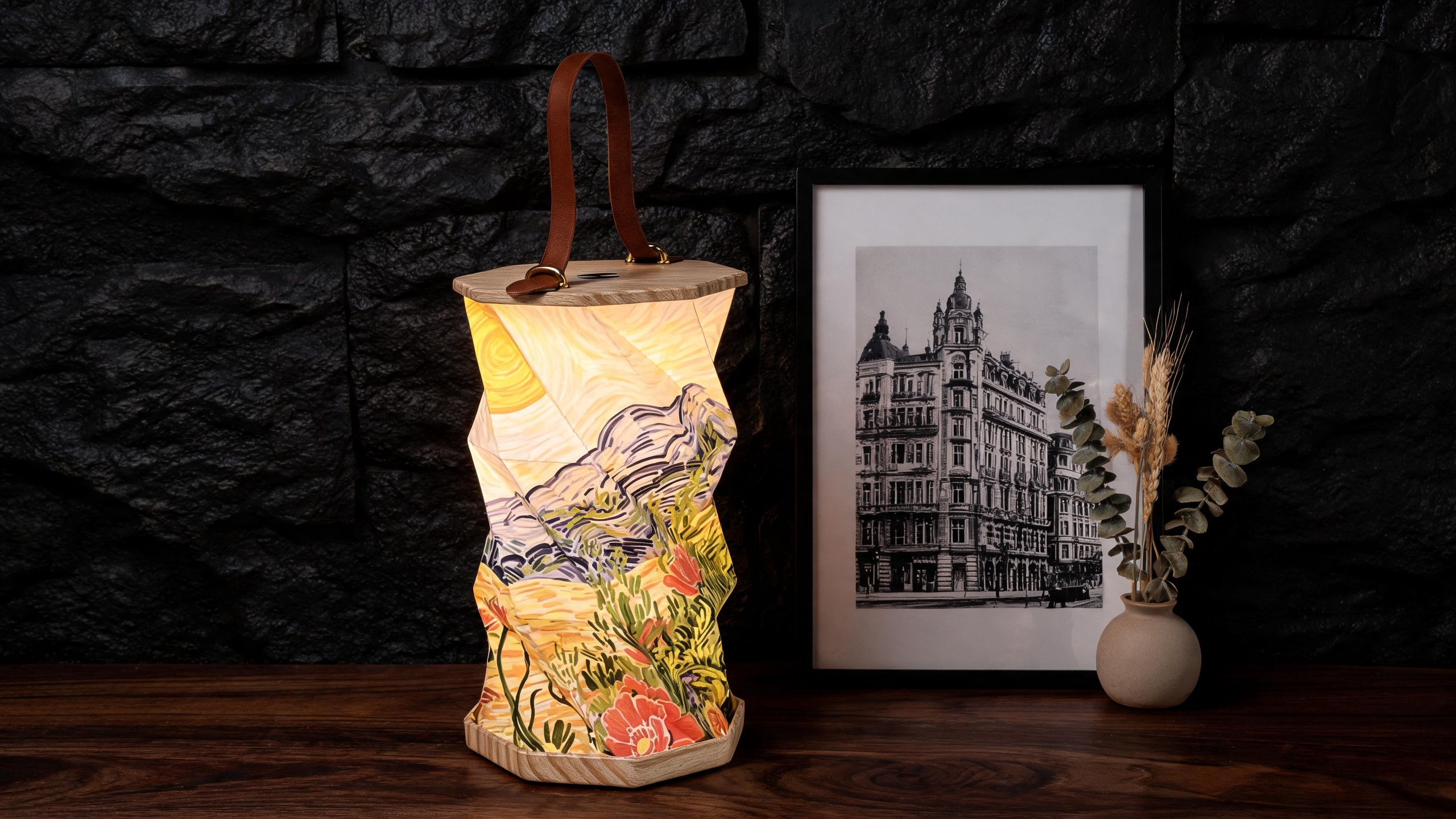
Wholesale Decorative Lighting: How Retailers Can Source the Right Products
Introduction
Decorative lighting occupies an interesting position between functional lighting and home décor. A lamp can illuminate a room while also serving as a visual focal point, reinforcing an interior style, or expressing a brand's design identity.
For retailers, distributors, home décor brands, and gift companies, this creates opportunities to offer products that combine practical use with distinctive design. However, sourcing decorative lighting involves considerations beyond appearance and unit price.
Buyers need to assess manufacturing quality, electrical safety, product durability, packaging, shipping costs, and the suitability of each design for the intended retail channel.
This guide explains how to evaluate wholesale decorative lighting suppliers, compare product options, and make purchasing decisions that balance design appeal with commercial requirements.

What Makes Decorative Lighting Different From General Lighting?
General lighting is primarily intended to provide illumination for a space or task. Decorative lighting places greater emphasis on appearance, atmosphere, materials, and the relationship between light and the surrounding environment.
Some products prioritize sculptural forms or artistic materials. Others combine familiar lamp structures with distinctive colors, textures, printed artwork, or interactive features.
For retail buyers, the distinction matters because customers may evaluate decorative lamps on several dimensions at once:
-
Visual appeal: Does the design complement the customer's interior style?
-
Lighting experience: Does the brightness and light color suit the intended use?
-
Product function: Is the lamp practical to operate, position, charge, or maintain?
-
Presentation: Does the product look compelling on a shelf or in an online listing?
-
Perceived value: Does the combination of design, materials, and function justify the intended retail price?
A successful decorative lighting product balances these qualities rather than relying on appearance alone.

How Should Retailers Choose a Decorative Lighting Supplier?
A supplier's manufacturing capability can directly affect product consistency, delivery reliability, and the feasibility of customization.
Before placing an order, buyers should evaluate the following areas.
Product Development and Manufacturing Experience
Ask whether the supplier manufactures the product directly and what experience it has with similar designs.
For products with unusual shapes, folding structures, printed surfaces, or integrated electronics, manufacturing experience is especially important. The supplier should be able to explain material choices, production limitations, quality-control procedures, and how design changes may affect cost.
Buyers developing a new collection should also confirm whether the manufacturer can support sampling and revisions before bulk production.
Quality Consistency
Review samples for material quality, construction, surface finishes, stability, and overall workmanship. For lighting products, also assess the operation of switches, charging connections, LED components, and other relevant features.
Ask how the manufacturer checks incoming materials, production quality, and finished products. Agree on the specifications and acceptance criteria before manufacturing begins.
Capacity and Delivery
Confirm minimum order quantities, production lead times, packaging requirements, inspection arrangements, and repeat-order capacity.
A supplier may be suitable for a small trial order but unable to meet a retailer's later replenishment requirements. Buyers should consider both the initial launch and the potential long-term supply relationship.
Safety and Compliance: What Should Buyers Check?
Decorative lighting may contain electrical components, batteries, chargers, or other parts subject to regulatory requirements. The applicable requirements depend on the destination market, product design, power source, and intended use.
Retailers importing lighting products should identify the relevant standards and compliance obligations before confirming the order.
Request documentation that applies to the actual product model and configuration. Where relevant, verify details such as electrical ratings, battery specifications, charger compatibility, labeling, instructions, and required test reports.
Do not assume that a certificate for one model automatically covers a different model or a customized version. Artwork customization may be straightforward, but changes to electrical components, materials, or construction can affect the compliance assessment.
It is also important to clarify who is responsible for testing, documentation, and any additional requirements requested by the retailer or its market.
How to Compare Wholesale Decorative Lighting Prices
Wholesale quotations should be compared using equivalent product specifications and total landed costs.
In addition to the quoted unit price, buyers may need to account for:
-
Packaging and labeling
-
Custom artwork or printing
-
Tooling and prototype charges
-
Freight and insurance
-
Import duties and taxes
-
Inspection and handling expenses
Consider a hypothetical example. A decorative lamp has a quoted price of $7.00 per unit. Freight, duties, and other allocable expenses add $1.80, resulting in a landed cost of $8.80 before other selling expenses.
If the intended retail price is $22.00, the gross margin before additional operating costs is 60%.
The calculation is:
Gross margin = (Retail price − Landed cost) ÷ Retail price × 100%
This calculation helps buyers compare products and evaluate whether the target retail price is commercially realistic.
Also consider packaging volume and product weight. Bulky or fragile lamps can generate shipping and handling costs that make an otherwise attractive wholesale price less competitive.
Customization: How Can Decorative Lighting Stand Out?
Decorative lighting can offer retailers opportunities to create a more distinctive assortment through customization.
Depending on the product and manufacturing process, customization may include colors, finishes, printed patterns, logos, illustrations, themed designs, packaging, or structural details.
The best approach depends on the retailer's target audience and sales channel.
A home décor brand may want designs that complement a specific interior collection. A museum shop may seek lighting inspired by approved artwork or an exhibition. A promotional product company may require a company logo and coordinated packaging.
Before committing to customization, buyers should confirm:
-
Artwork ownership and usage permissions
-
Design adaptation requirements
-
Sampling and approval costs
-
Minimum quantities for each design
-
Packaging and labeling specifications
-
Production and delivery timelines
For designs involving new tooling or unusual structures, prototype approval is especially important. It allows the buyer to assess the finished product and identify potential problems before committing to a full production run.
Emerging Product Directions in Decorative Lighting
Rather than treating every new design as a trend, retailers can assess whether a product responds to a clear customer need.
Several design directions may be worth evaluating for suitable retail channels.
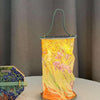
Lighting as décor: Products that serve as visual objects when switched off can appeal to customers looking for decorative pieces that also provide illumination.
Material-led design: Paper, wood, metal, fabric, and other materials can create different textures and visual effects. The chosen material must also meet the product's safety and durability requirements.
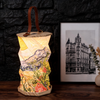
Personalized and themed designs: Artwork, patterns, landmarks, and seasonal themes can give a product a more specific identity, particularly for cultural retail, tourism, and branded collections.
Portable and flexible formats: Compact or foldable structures may offer advantages for storage, gifting, display, and shipping, depending on their design and intended use.
Distinctive light effects: Warm lighting, layered illumination, and carefully designed light diffusion can influence how a product feels in a room.
These are product-development directions rather than guaranteed sales trends. Buyers should validate them against their own customer data, retail positioning, and target price points.
How Can Retailers Reduce Sourcing Risks?
Lighting products can involve higher technical and shipping risks than simple decorative accessories. A structured purchasing process helps manage these risks.
Start with a product brief covering the intended market, use case, design, estimated order quantity, target cost, and delivery requirements.
Next, request samples and review the product against the brief. Confirm technical specifications, compliance documentation, packaging, and the final approved design.
Before bulk production, document the agreed materials, components, artwork, quality standards, inspection procedures, and delivery terms. For customized lighting, ensure that the approved sample accurately represents the intended production version.
Finally, assess whether the supplier can support replenishment if the product performs well. A successful launch is more valuable when quality and supply can remain consistent.
Why Folding Lamps Can Be an Interesting Decorative Lighting Format
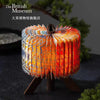
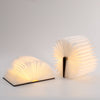
Folding lamps offer a different approach to decorative lighting by combining illumination with a structure that opens and closes or expands into a sculptural form.
Depending on the design, the inner pages can carry illustrations, patterns, or licensed artwork. When opened and illuminated, the product presents the design in a way that differs from a conventional flat printed surface.
This format may suit selected home décor retailers, museum shops, cultural product businesses, and brands seeking decorative lighting with a clear visual identity.
Its commercial suitability still depends on practical factors such as light output, battery performance where applicable, materials, durability, packaging, safety requirements, and target retail pricing.
For buyers, the opportunity lies in matching the format to the artwork and audience rather than treating novelty as a substitute for product quality.
How DECO Supports Decorative Lighting Development
DECO is a China-based cultural and creative product manufacturer specializing in folding lamps and decorative lighting.
For suitable product formats, DECO can work with buyers on customized artwork, printed patterns, logos, and themed designs for retail, home décor, cultural, and branded collections.
A project typically begins by clarifying the intended market, product format, design requirements, order quantity, and packaging needs. These details help establish whether the proposed design is practical to manufacture and what sampling or development steps may be required.
For buyers exploring decorative lighting as part of a broader home décor or licensed-art collection, the focus is on aligning the design with the product structure, production requirements, and intended retail use.
Learn more about DECO's products and manufacturing capabilities at https://www.decotechs.com.cn.
Expert Tip: Evaluate the Finished Lighting Experience
A decorative lamp should be assessed both as an object and as a source of light.
Review how it looks when switched off, how it illuminates when switched on, whether the light is appropriate for its intended use, and how easily customers can operate and maintain it. Also consider how the product will be displayed and protected during shipping.
A sample review that covers appearance, function, safety documentation, and packaging gives buyers a stronger basis for making a purchasing decision.
Key Takeaway
Successful wholesale decorative lighting sourcing requires a balance of design, function, manufacturing capability, safety, and cost.
Retailers can make stronger decisions by selecting products that fit their customers, comparing total landed costs, verifying applicable compliance requirements, and confirming production specifications before bulk orders.
For customized collections, early collaboration between the buyer and manufacturer can help turn a creative concept into a practical, retail-ready lighting product.
Related Articles
-
Wholesale Home Décor: How Retailers Can Build a Profitable Product Assortment
-
Wholesale Gift Products: How Buyers Can Choose the Right Products and Suppliers
-
Wholesale Lifestyle Products: How to Build a Cohesive Retail Assortment
-
Cultural Home Décor: How Art, Heritage, and Place Shape Modern Interiors
-
Fine Art Retail in 2026: How Art Buyers, Retailers, and Licensing Brands Are Adapting
-
How Retail Buyers Choose Products: Factors That Influence Buying Decisions
About the Author
Kairos is Export Director at DECO, working with international buyers and brands on cultural and creative product development.
About DECO
DECO is a China-based manufacturer specializing in cultural and creative folding lamps and decorative lighting, offering customized product development for retail, licensing, and branded collections.