Wholesale Lifestyle Products: How Retailers Can Build a Distinctive Product Collection

Wholesale Lifestyle Products: How Retailers Can Build a Distinctive Product Collection
Introduction
Lifestyle products reflect how people live, work, relax, decorate their homes, and express their personal tastes. For retailers, this broad category creates opportunities to build collections around customer interests rather than relying exclusively on traditional product categories.
However, the breadth of the lifestyle market also creates a challenge. A collection can easily become a disconnected assortment of unrelated items if buyers select products based only on appearance, price, or short-term trends.
Successful wholesale sourcing starts with a clearer question: What kind of lifestyle does the collection represent, and why would the target customer choose these products?
For independent retailers, department stores, e-commerce businesses, concept stores, and distributors, answering this question helps guide product selection, supplier evaluation, and long-term assortment planning.

What Are Wholesale Lifestyle Products?
Wholesale lifestyle products are goods purchased in bulk for resale that support everyday activities, personal interests, home environments, or particular ways of living.
The category can include home accessories, portable products, stationery, personal accessories, decorative lighting, travel-related items, and other consumer goods. The appropriate assortment depends on the retailer's positioning and customer base.
Unlike a narrowly defined product category, lifestyle retail often connects several product types through a shared theme.
A retailer focused on contemporary living, for example, might combine minimalist home accessories, ambient lighting, desk products, and portable decorative items. A travel-inspired concept store might emphasize compact accessories, destination-themed designs, and products associated with cultural experiences.
The unifying idea matters because it gives customers a reason to explore the collection as a whole.
Start With a Lifestyle Concept, Not a Product List
Before approaching wholesale suppliers, define the customer and the context in which the products will be used.
A useful concept should be specific enough to guide purchasing decisions without limiting the assortment unnecessarily.
Consider three possible directions:
-
Contemporary home living: Products that complement modern interiors and everyday home routines.
-
Creative and expressive living: Art-inspired objects, distinctive accessories, and products that allow customers to express personal interests.
-
Portable and flexible living: Compact, lightweight, or multifunctional products suited to travel, small spaces, or changing environments.

These concepts are starting points rather than rigid categories. A retailer can combine related themes when the products serve the same customer and reinforce a consistent brand identity.
Once the concept is clear, assess every potential product against it. If an item does not fit the customer, visual direction, or intended use, a low wholesale price alone may not justify including it.
What Makes a Lifestyle Product Commercially Attractive?
A product can be visually appealing without being commercially suitable. Buyers should evaluate how design, function, quality, and retail positioning work together.
Everyday Relevance
Products connected to recognizable needs or routines are often easier for customers to understand. Their value should be clear from the product itself, its presentation, or the way it is demonstrated.
This does not mean every item must be essential. Decorative and expressive products can also succeed when they create an appealing experience or connect with a customer's interests.
Distinctive Design
When retailers carry products similar to those available elsewhere, design becomes an important way to differentiate the assortment.
Distinctiveness may come from materials, form, color, artwork, construction, or a combination of functions. For example, a decorative object that also provides ambient lighting may offer a different experience from a purely ornamental item.
The design should be distinctive for a reason, not simply unusual.
Appropriate Price Positioning
The wholesale cost must support the retailer's intended selling price and commercial model.
Buyers should calculate landed cost, including applicable freight, duties, packaging, and other expenses, before estimating gross margin. They should also consider how the product fits the store's broader price architecture.
A premium product may justify a higher price when its design, materials, functionality, or presentation support that positioning. A lower-priced product may be more suitable for impulse purchases or high-volume retail environments.
Reliable Quality
Lifestyle products often compete on both appearance and daily usability. Materials, finishes, durability, ease of operation, and packaging can influence customer satisfaction.
When sourcing from a manufacturer, request samples and confirm the final specifications before bulk production. Products containing electrical components or batteries also require appropriate safety and compliance checks for the intended market.
How Can Retailers Build a Cohesive Collection?
A cohesive collection does not require every product to look identical. Instead, the items should share a clear relationship through customer needs, design language, materials, use cases, or storytelling.
One effective approach is to organize the assortment around a central idea and then choose products that play different roles within it.
For example, a creative-living collection might combine functional desk accessories, decorative objects, and ambient lighting. The products serve different purposes, but they share an emphasis on design and personal expression.
Retailers should also consider how products will be displayed together. Coordinated colors, complementary packaging, and consistent product photography can help customers recognize the collection as a unified offering.
For online retailers, a coherent collection can also make category pages, product recommendations, and themed campaigns easier to develop.
The goal is to create a recognizable retail identity while preserving enough variety to meet different customer preferences.
Wholesale Sourcing: What Should Buyers Ask Manufacturers?
Once the product direction is established, the next step is to identify suppliers capable of meeting the project's commercial and technical requirements.
Rather than comparing quotations alone, buyers should ask targeted questions about the supplier's role and capabilities.
Can the supplier manufacture the required product consistently? Review relevant production experience, material options, quality-control processes, and capacity.
What is the minimum order quantity? Confirm whether the MOQ applies per model, design, color, or packaging version. This is especially important for collections with several variations.
Can the product be customized? Ask about artwork, color, branding, packaging, tooling, sample charges, and design adaptation.
What are the production and delivery timelines? Clarify when the lead time begins, how sample approval affects the schedule, and what arrangements are available for repeat orders.
What documentation is available? Depending on the product and destination market, buyers may need test reports, material information, safety documentation, or other compliance records.
A supplier's answers should help determine whether the product is suitable for the business, not merely whether it can be produced.
Customization: Turning a Generic Product Into a Brand Asset
Customization can help a retailer develop products that are more closely connected to its brand, audience, or merchandising strategy.
The options depend on the product and manufacturing process. They may include colors, printed artwork, patterns, logos, packaging, materials, or structural changes.
For lifestyle brands, the strongest customization often begins with a specific reason. A concept store may want a distinctive visual identity. A museum retailer may need products connected to approved artwork. A home décor brand may seek a coordinated range that complements its existing collection.
Customization also introduces additional considerations. Artwork rights must be clear, samples need to be approved, and development costs should be weighed against expected sales volume.
For new concepts, a focused initial collection can help buyers assess market response before expanding into additional designs or formats.
Why Decorative Lighting Can Complement Lifestyle Collections
Decorative lighting offers a way to connect function with visual design. It can support a collection focused on home atmosphere, creative interiors, artistic expression, or distinctive everyday objects.
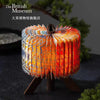
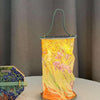
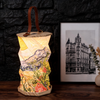
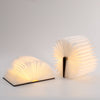
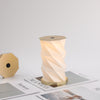
Folding lamps provide one example of a specialized format. Their structures can open and close or expand into sculptural forms, while selected designs can incorporate illustrations, patterns, or approved artwork.
For retailers, this creates an opportunity to offer a product that combines illumination with a recognizable design identity. It may suit concept stores, home décor retailers, cultural shops, and brands looking for a distinctive addition to their lifestyle assortment.
As with any lighting product, buyers should evaluate actual performance, materials, durability, packaging, applicable compliance requirements, and target retail pricing. A product's design appeal must be supported by reliable manufacturing and a clear use case.
How DECO Supports Lifestyle Product Development
DECO is a China-based cultural and creative product manufacturer specializing in folding lamps and decorative lighting.
For suitable product formats, DECO can work with retailers and brands on customized artwork, patterns, logos, and themed designs. These capabilities may be relevant to lifestyle collections that connect decorative function with artistic or cultural identity.
A development project begins by clarifying the target audience, intended use, design direction, order quantity, and packaging requirements. The proposed product can then be assessed for manufacturing feasibility, sampling needs, and production specifications.
For buyers, the aim is to develop a product that fits the wider collection rather than treating customization as an isolated design exercise.
Learn more about DECO's products and manufacturing capabilities at https://www.decotechs.com.cn.
Expert Tip: Make Every Product Earn Its Place in the Collection
Before approving a new item, ask what role it plays in the assortment. Does it attract a particular customer, complement an existing product, introduce a distinctive design, or strengthen the collection's identity?
If the product has no clear role, adding it may increase purchasing complexity without improving the customer experience.
A focused collection with a consistent concept can be easier to merchandise, communicate, and evaluate than a large assortment built around unrelated trends.
Key Takeaway
Wholesale lifestyle products offer retailers opportunities to connect different product categories through shared customer interests and everyday experiences.
The strongest sourcing decisions begin with a clear concept, followed by careful product evaluation, supplier qualification, cost analysis, and thoughtful customization where it adds genuine value.
Rather than chasing every trend or filling a catalog with unrelated items, retailers can build more distinctive assortments by choosing products that support a recognizable lifestyle and meet practical commercial requirements.
Related Articles
-
Wholesale Home Décor: How Retailers Can Build a Profitable Product Assortment
-
Wholesale Gift Products: How Buyers Can Choose the Right Products and Suppliers
-
Wholesale Decorative Lighting: How Retailers Can Source the Right Products
-
How Retail Buyers Choose Products: Factors That Influence Buying Decisions
-
Cultural Home Décor: How Art, Heritage, and Place Shape Modern Interiors
-
Fine Art Retail in 2026: How Art Buyers, Retailers, and Licensing Brands Are Adapting
About DECO
DECO is a China-based manufacturer specializing in cultural and creative folding lamps and decorative lighting, offering customized product development for retail, licensing, and branded collections.