Wholesale Home Décor: How Retailers Can Build a Profitable Product Assortment

Wholesale Home Décor: How Retailers Can Build a Profitable Product Assortment
Introduction
The wholesale home décor market offers retailers opportunities to serve customers looking to personalize their living spaces, refresh interiors, and find distinctive decorative pieces. But building a successful assortment requires more than selecting attractive products from a supplier catalog.
Retailers need to consider customer preferences, price positioning, product differentiation, manufacturing quality, minimum order quantities, and the risks associated with unsold inventory.
For independent home décor stores, chain retailers, e-commerce businesses, and distributors, the right wholesale strategy balances visual appeal with commercial practicality.
This guide explains how to evaluate wholesale home décor suppliers, select products that fit your market, and develop a collection that supports long-term retail growth.

What Should Retailers Look for in a Wholesale Home Décor Supplier?
A reliable supplier should offer more than competitive pricing. Retailers need a manufacturing or wholesale partner that understands product quality, delivery requirements, packaging, and the intended sales channel.
Before placing an order, evaluate several key areas.
Product consistency: Samples should reflect the quality customers will receive in bulk production. Check materials, finishes, dimensions, colors, assembly, and packaging.
Production capacity: Confirm whether the supplier can support your expected order volume and future replenishment requirements.
Communication: Clear specifications, timely updates, and documented approvals help reduce misunderstandings during production.
Customization capabilities: If your store needs exclusive designs, private-label packaging, or products featuring your own artwork, confirm that the supplier can support those requirements.
Commercial terms: Review minimum order quantities, sample charges, production lead times, payment terms, shipping arrangements, and quality-control procedures before committing.
For retailers planning repeat orders, dependable production and consistent quality can be more valuable than a small difference in the initial unit price.
How Can Retailers Choose the Right Wholesale Home Décor Products?
The best assortment reflects the customers a retailer serves rather than simply following broad market trends.
A contemporary home décor boutique may prioritize distinctive materials and design-led accessories. A supermarket buyer may need products with clear shelf appeal, practical packaging, and accessible pricing. An online retailer may place greater emphasis on photography, shipping durability, and products that stand out in search results.
Start by answering three questions.

Who Is the Target Customer?
Consider the customer's interior style, purchasing habits, price expectations, and reasons for buying decorative products.
Some customers prefer neutral colors and minimalist forms. Others look for artistic patterns, seasonal decorations, cultural references, or statement pieces.
A clear customer profile helps buyers filter supplier catalogs and avoid creating an assortment with no consistent direction.

What Role Does Each Product Play?
Every item should have a purpose within the collection.
Some products attract attention and establish the store's visual identity. Others provide accessible entry points for new customers or complement existing categories.
Decorative lighting, for example, can bridge home accessories and functional products. A well-designed lamp may provide ambient illumination while contributing to the overall appearance of a room.
The goal is to create a balanced assortment in which products complement one another instead of competing for the same customer and shelf space.
How Will the Product Be Displayed and Sold?
A product that looks appealing in a supplier's photograph may perform differently on a physical shelf or an online marketplace.
Consider its dimensions, packaging, visual impact, ease of demonstration, and shipping requirements. Products with a clear functional or decorative benefit are often easier for retail staff and product listings to explain.
Wholesale Pricing: Look Beyond the Unit Cost
A low wholesale price does not automatically translate into a strong retail margin.
Retailers should calculate the total landed cost, which may include the product price, packaging, freight, insurance, duties, import taxes, and other applicable expenses. The precise costs depend on the shipping terms and destination market.
For example, if a product costs $8 per unit and freight, duties, and other allocable expenses add $2 per unit, the landed cost is $10 before any additional operating expenses.
If the retail price is $20, the gross margin before other selling costs is 50%.
The formula is:
Gross margin = (Retail price − Landed cost) ÷ Retail price × 100%
This calculation helps buyers compare products on a consistent basis.
Also consider potential discounts, returns, damage, promotional pricing, and inventory that may remain unsold. A product with a lower initial cost but weak sell-through may be less attractive than a differentiated product that customers are more willing to purchase at its intended price.
How Can Retailers Reduce Inventory Risk?
Inventory risk is a major consideration when sourcing wholesale home décor, especially when products are seasonal, highly trend-dependent, or customized for a specific market.
A practical approach is to validate demand before expanding an assortment.
Review existing sales data. Identify the materials, colors, styles, and price ranges that have performed well with your customers.
Request samples. Examine product quality and presentation before approving bulk production.
Start with a focused collection. Where supplier terms permit, test a limited number of designs or product variations before committing to a wider range.
Confirm replenishment lead times. A product that sells well is more useful when the supplier can support timely repeat orders.
Review packaging and shipping risks. Fragile finishes, oversized packaging, and inadequate protection can affect both landed cost and customer satisfaction.
For customized products, approve the final artwork, dimensions, materials, packaging, and relevant production specifications in writing. This is particularly important when the product is intended for a retailer's private-label collection.
Private Label and Customization: How Can Retailers Stand Out?
When multiple retailers source similar products, differentiation becomes increasingly important.
Private-label and customized home décor can help retailers establish a recognizable identity. Customization may involve colors, patterns, logos, packaging, materials, or artwork, depending on the product and the manufacturer's capabilities.
However, customization should solve a clear commercial problem.
For example, a museum retailer may want products connected to a particular exhibition or collection. A hotel group may prefer decorative items aligned with its interior design. A home décor brand may need exclusive patterns that fit its seasonal collection.
Before development begins, confirm the design ownership and usage rights, the scope of customization, the sample approval process, production costs, minimum quantities, and expected lead times.
Customization can create a stronger point of difference, but it may also increase development costs and limit the ability to resell unsold inventory elsewhere. Buyers should evaluate both the brand value and the financial commitment.
Why Decorative Lighting Deserves a Place in Home Décor Collections
Decorative lighting combines visual design with a practical function, making it a potential complement to ornaments, tabletop accessories, and other home décor products.
For retailers, the appeal lies in the relationship between appearance and use. Lighting can change the atmosphere of a space, provide a focal point, and support different interior styles.
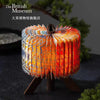
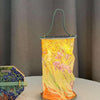
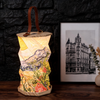
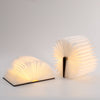
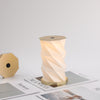
Folding lamps offer an additional design possibility: their structures open and close like a book or expand into a sculptural form. Depending on the design, the inner pages can carry illustrations, patterns, or other customized artwork.
This format may suit retailers looking for products that combine decorative value, portability, and a distinctive presentation. As with any lighting product, buyers should assess electrical safety requirements, battery specifications where applicable, durability, packaging, and the compliance obligations of their target market.
The best choice depends on the retailer's customers, merchandising strategy, and price positioning rather than novelty alone.
How to Build a Stronger Wholesale Home Décor Collection
A cohesive collection usually starts with a clear theme, not an arbitrary number of products.
Retailers can organize their buying strategy around an interior style, material palette, target room, seasonal occasion, or customer lifestyle. This makes it easier to assess whether a new item strengthens the assortment.
A useful buying process is:
-
Define the target customer and intended retail price range.
-
Review sales data and identify gaps in the current assortment.
-
Shortlist suppliers based on product fit and manufacturing capability.
-
Compare samples, total landed costs, and commercial terms.
-
Test the most promising products and review sales performance.
-
Expand or replenish based on evidence of demand.
This process encourages retailers to make decisions based on both design quality and business performance.
How DECO Supports Customized Home Décor Product Development
For retailers and brands seeking distinctive decorative products, working directly with a manufacturer can provide greater control over design adaptation and product specifications.
DECO is a China-based cultural and creative product manufacturer specializing in folding lamps and decorative lighting. Suitable designs can be customized with approved artwork, patterns, logos, and themed graphics for home décor and retail collections.
For buyers considering a customized lighting product, development can begin with the target market, design direction, intended use, packaging requirements, and expected order quantity. These details help determine whether a proposed design is technically and commercially practical.
You can learn more about DECO's products and manufacturing capabilities at https://www.decotechs.com.cn.
Expert Tip: Evaluate the Supplier and the Product Together
A promising product is only one part of a successful wholesale decision. The supplier must also be able to manufacture it consistently, communicate clearly, meet agreed specifications, and support the retailer's delivery requirements.
Before placing a large order, compare samples and landed costs, confirm compliance documentation where applicable, and make sure the final product matches the intended retail positioning.
Key Takeaway
Successful wholesale home décor sourcing combines product selection, supplier evaluation, pricing discipline, and inventory planning.
Retailers can build stronger assortments by understanding their customers, selecting products with a clear commercial purpose, and developing differentiated collections when customization adds genuine value.
The objective is not simply to buy more products at lower prices. It is to source the right products from dependable suppliers and create a collection that customers want to bring into their homes.
Related Articles
-
Wholesale Gift Products: How Retailers Can Evaluate Suppliers and Product Opportunities
-
Wholesale Lifestyle Products: How to Build a Cohesive Retail Assortment
-
Wholesale Decorative Lighting: What Retail Buyers Should Know
-
Cultural Home Décor: How Art, Heritage, and Place Shape Modern Interiors
-
Fine Art Retail in 2026: How Art Buyers, Retailers, and Licensing Brands Are Adapting
-
How Retail Buyers Choose Products: Factors That Influence Buying Decisions
About the Author
Kairos is Export Director at DECO, working with international buyers and brands on cultural and creative product development.
About DECO
DECO is a China-based manufacturer specializing in cultural and creative folding lamps and decorative lighting, offering customized product development for retail, licensing, and branded collections.