Wholesale Gift Products: How Buyers Can Choose the Right Products and Suppliers
Wholesale Gift Products: How Buyers Can Choose the Right Products and Suppliers
Introduction
Sourcing wholesale gift products is not simply about finding attractive items at competitive prices. Retailers, distributors, promotional product companies, and gift wholesalers need products that fit their customers, meet their target price points, and can be supplied reliably.
A product may look appealing in a catalog but prove difficult to sell if it lacks a clear purpose, has unsuitable packaging, or costs too much after shipping and import expenses. Similarly, a low-priced item may create problems if quality varies between production batches or delivery dates are unreliable.
For wholesale buyers, successful sourcing means evaluating the product, the supplier, and the commercial opportunity together.
This guide explains how to assess wholesale gift products, compare suppliers, manage purchasing risks, and decide when customized products are worth developing.

Start With the Customer, Not the Supplier Catalog
Before contacting suppliers, define who will buy the products and how they will be sold.
A supermarket chain, museum shop, corporate gifting company, tourist souvenir retailer, and online gift store can have very different purchasing requirements.
For example, a supermarket buyer may prioritize accessible pricing, strong shelf appeal, and efficient packaging. A museum shop may look for products connected to its collection or location. A corporate gifting company may require logo customization, coordinated packaging, and dependable delivery before a specific event.
These differences affect nearly every sourcing decision, including product selection, materials, order quantity, packaging, and acceptable lead time.
A useful starting point is to answer three questions:
-
Who is the end customer?
-
What problem, occasion, or purchasing motivation does the product address?
-
What retail price or wholesale budget is realistic for that market?
Clear answers make supplier discussions more productive and help prevent buyers from ordering products that are attractive but commercially unsuitable.

How to Evaluate a Wholesale Gift Supplier
A reliable supplier should be able to demonstrate that it can deliver the agreed product consistently, not just provide a competitive quotation.
Manufacturing Capability
Understand whether the company is a manufacturer, trading company, or distributor. Each business model can serve a different purpose, but buyers should know who controls production and who is responsible for quality.
When purchasing customized products, a direct manufacturer may offer more visibility into materials, production methods, sampling, and design changes.
Ask relevant questions about production capacity, experience with similar products, quality-control procedures, and the ability to support repeat orders.
Product Quality and Documentation
Request samples and compare them with the written specifications. Review materials, workmanship, dimensions, finishes, packaging, and functionality.
For products containing electrical components, batteries, or other regulated elements, identify the applicable requirements in the destination market and request the relevant documentation. Do not assume that one certificate automatically covers every model or market.
The final approval should be based on the product that will actually be manufactured, including any agreed customization.

Communication and Delivery
Reliable communication is particularly important when a purchase involves several designs, custom packaging, or a fixed delivery date.
Confirm the sample approval process, production lead time, inspection arrangements, shipping responsibilities, and the procedure for handling defects or delays.
Written specifications and clearly documented approvals help both sides avoid misunderstandings.
How to Compare Wholesale Prices Properly
Unit price is important, but it is not the only cost that affects profitability.
Buyers should compare the total landed cost of each option. Depending on the order and shipping terms, this may include:
-
Product cost
-
Customization and tooling charges
-
Packaging and labeling
-
Freight and insurance
-
Import duties and taxes
-
Inspection, handling, and other applicable expenses
Consider a hypothetical example. Supplier A quotes $4.20 per unit, while Supplier B quotes $4.50. If Supplier A's freight and additional costs work out to $1.10 per unit and Supplier B's total additional costs are $0.60, their landed costs are $5.30 and $5.10, respectively.
Supplier B has the higher quoted price but the lower landed cost.
This is why buyers should compare quotations using the same assumptions, including order quantity, product specifications, packaging, shipping terms, and delivery destination.
Retailers should also account for expected selling expenses, discounts, returns, and unsold inventory when estimating actual profitability.
MOQ: How Much Should You Order?
Minimum order quantity, or MOQ, can significantly affect the economics of wholesale gift purchasing.
A larger order may reduce the unit price, but it also ties up more working capital and increases the risk of unsold inventory. A smaller order may be easier to test but could involve higher unit costs or additional setup charges.
The appropriate quantity depends on expected demand, product shelf life, replenishment lead time, storage capacity, and the supplier's production requirements.
For a new product, buyers should consider whether a limited launch is possible before committing to a larger quantity. For an established bestseller, a larger order may be justified when sales history supports the forecast.
When discussing MOQ with a manufacturer, ask whether it applies separately to each design, color, packaging version, or total order. These details can make a substantial difference when a collection includes multiple variations.
When Is Customization Worth the Investment?
Customized wholesale gift products can help a retailer or brand differentiate its assortment. Options may include logos, artwork, patterns, colors, packaging, seasonal designs, or products developed for a particular event or audience.
However, customization should have a clear business purpose.
It may be worthwhile when the buyer needs exclusive designs, wants to strengthen brand recognition, or is developing products around a specific location, campaign, licensed artwork, or customer group.
Before approving development, consider:
Setup costs: Does the project require new tooling, artwork preparation, printing setup, or prototype charges?
Minimum quantities: Can the expected sales volume support the required order?
Design rights: Who owns the artwork, and what usage rights or permissions are required?
Production feasibility: Can the chosen material and product structure reproduce the design accurately and consistently?
Timeline: Is there enough time for sampling, revisions, production, inspection, and delivery?
A prototype is particularly valuable when the customized product has a distinctive structure, multiple printed surfaces, or functional components. It allows buyers to review the actual product before approving bulk production.
Product Differentiation Matters More Than a Large Catalog
Wholesale buyers often receive catalogs containing hundreds of products. The challenge is deciding which items offer a meaningful reason for customers to choose them.
Differentiation can come from design, functionality, material, presentation, cultural relevance, or the way a product is used.
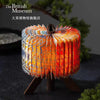
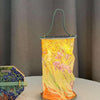
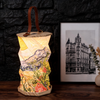
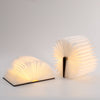
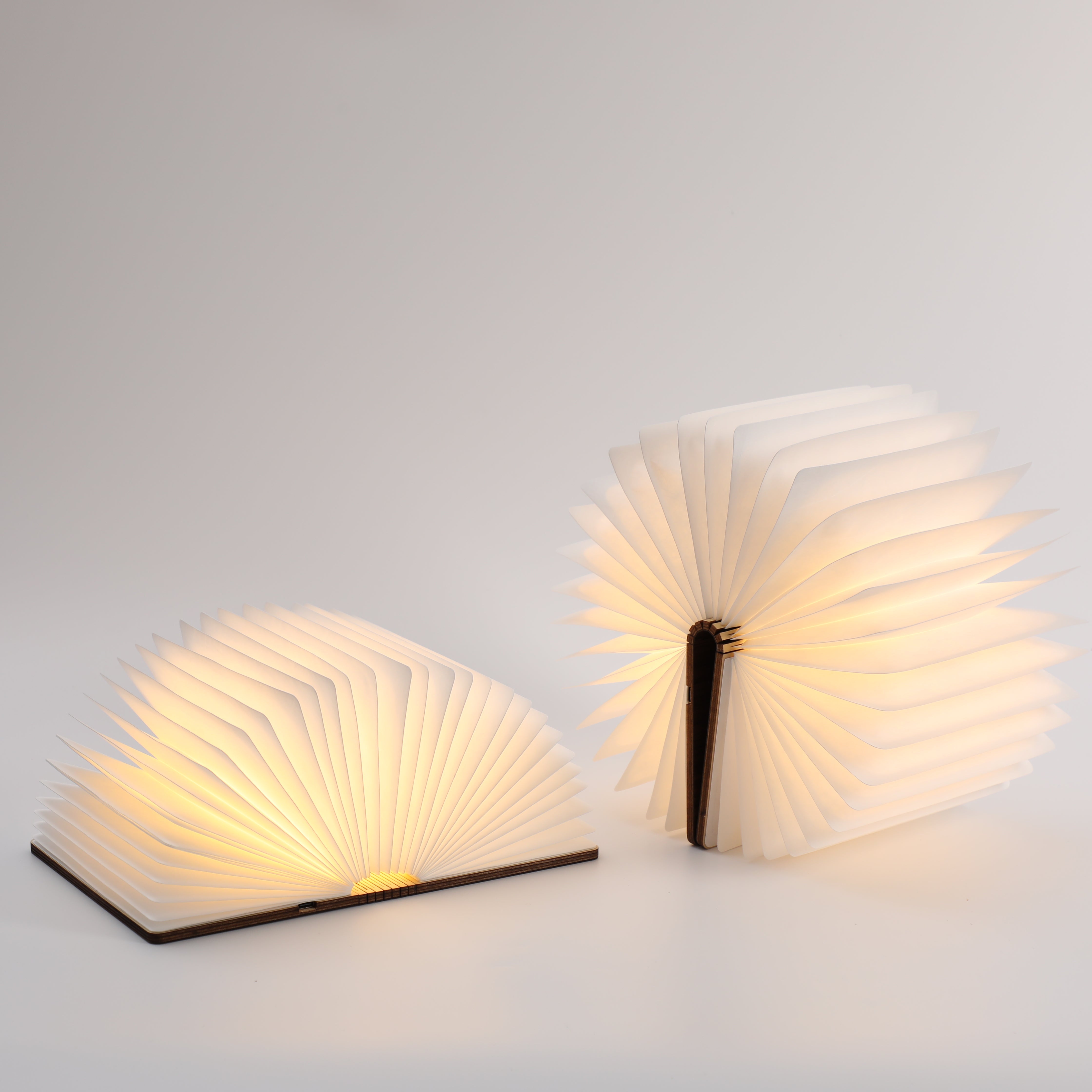
For instance, a decorative lamp can combine ambient lighting with artwork or a distinctive folding structure. A souvenir may connect a product with a city, museum, or landmark. A corporate product can incorporate a company identity without sacrificing everyday usefulness.
The best choice depends on the intended customer and sales channel. Novelty alone is not enough: the product should be practical to manufacture, easy to explain, and appropriate for the target price.
For buyers managing several retail channels, it can also be useful to distinguish core products from seasonal or experimental items. Core products support repeat purchasing, while smaller test collections allow buyers to explore new themes without restructuring the entire assortment.
How to Build a More Reliable Wholesale Buying Process
A consistent purchasing process reduces the risk of overlooking important details.
Step 1: Prepare a product brief. Define the target customer, intended use, estimated order quantity, target cost, packaging, and delivery date.
Step 2: Shortlist qualified suppliers. Evaluate product fit, manufacturing capability, communication, quality systems, and relevant experience.
Step 3: Compare samples and quotations. Ensure that prices cover equivalent specifications and that additional charges are clearly identified.
Step 4: Approve the final specifications. Confirm materials, dimensions, colors, artwork, packaging, labeling, and any applicable compliance requirements.
Step 5: Agree on quality control and delivery. Establish inspection criteria, payment milestones, shipment terms, and procedures for addressing nonconforming products.
Step 6: Review sales performance. Use actual sell-through, customer feedback, and replenishment needs to guide future orders.
This process helps buyers move from reactive purchasing toward a more deliberate sourcing strategy.
How DECO Supports Customized Gift Product Development
For buyers seeking products that combine design with practical use, working directly with a manufacturer can provide greater visibility into product development and production requirements.
DECO is a China-based cultural and creative product manufacturer specializing in folding lamps and decorative lighting. Suitable products can be customized with approved artwork, logos, patterns, and themed designs for retail, promotional, cultural, and branded collections.
For example, a retailer may explore decorative lighting featuring licensed illustrations, while a company may consider a customized design for a promotional campaign. Feasibility depends on the artwork, product format, order quantity, packaging requirements, and intended market.
The development process begins by clarifying the product brief and evaluating the design, sample requirements, and production specifications before moving toward bulk manufacturing.
Learn more about DECO's products and manufacturing capabilities at https://www.decotechs.com.cn.
Expert Tip: Put Every Important Requirement in Writing
Many sourcing problems arise because the buyer and supplier have different understandings of what was agreed.
Before production begins, document the final sample, specifications, approved artwork, packaging, order quantity, price, lead time, inspection criteria, and shipping terms. For customized products, also clarify who is responsible for providing and approving design files.
Clear documentation helps make quotations comparable and gives both parties a consistent reference throughout production.
Key Takeaway
Successful wholesale gift purchasing requires more than finding low prices. Buyers need to understand their customers, assess suppliers carefully, calculate landed costs, select realistic order quantities, and decide when customization creates genuine commercial value.
A focused assortment backed by reliable manufacturing and clear purchasing procedures can be more valuable than a large catalog assembled without a defined strategy.
The goal is to source products that fit the market, deliver consistent quality, and support sustainable retail performance.
Related Articles
-
Wholesale Home Décor: How Retailers Can Build a Profitable Product Assortment
-
Wholesale Lifestyle Products: How to Build a Cohesive Retail Assortment
-
Wholesale Decorative Lighting: What Retail Buyers Should Know
-
How Retail Buyers Choose Products: Factors That Influence Buying Decisions
-
Artist Collection Ideas: How to Turn Artistic Identity Into a Successful Product Collection
-
Fine Art Retail in 2026: How Art Buyers, Retailers, and Licensing Brands Are Adapting
About the Author
Kairos is Export Director at DECO, working with international buyers and brands on cultural and creative product development.
About DECO
DECO is a China-based manufacturer specializing in cultural and creative folding lamps and decorative lighting, offering customized product development for retail, licensing, and branded collections.