Wholesale Museum Gifts: How Museum Stores Can Develop Meaningful Retail Collections
Wholesale Museum Gifts: How Museum Stores Can Develop Meaningful Retail Collections
Introduction
A museum shop is more than a place to purchase souvenirs. It extends the visitor experience beyond the galleries, allowing people to take home a reminder of an exhibition, an artwork, a historical period, or a cultural experience.
For museum retail buyers, the challenge is turning that connection into a commercially viable product assortment. Products must reflect the institution's identity while meeting practical requirements for quality, pricing, licensing, display, and replenishment.
Wholesale museum gifts can range from familiar educational and printed products to decorative objects, design-led accessories, and customized merchandise inspired by approved collections. The strongest assortments are not necessarily the largest. They are the ones that connect the museum's story with the interests of its visitors.
This guide explains how museum stores can evaluate product opportunities, work with wholesale suppliers, and develop collections that balance cultural relevance with retail performance.

What Makes Museum Retail Different From Other Gift Retail?
Museum retail has a distinctive advantage: the institution already has a story, a collection, and an audience with a reason to engage.
Visitors may be interested in a particular artist, historical object, scientific discovery, architectural landmark, or temporary exhibition. These interests can provide a meaningful starting point for product development.
However, a museum product needs to do more than display a familiar image or logo.
A well-developed item should have a credible connection to the institution, be appropriate for its audience, and offer value as a product in its own right.
For example, an art museum may develop merchandise around an approved painting or illustration, while a science museum may favor products that encourage curiosity and exploration. A history museum might focus on artifacts, historical patterns, or objects connected to a particular period.
The product should strengthen the visitor's relationship with the museum rather than feel like generic merchandise with a museum name attached.

How Can Museum Stores Choose the Right Wholesale Products?
The best buying decisions begin with the museum's collection, exhibitions, visitor profile, and retail objectives.
Start With a Strong Curatorial Connection
Identify the artwork, object, theme, or story that makes the proposed product relevant.
For a permanent collection, the product may reinforce the museum's long-term identity. For a temporary exhibition, it may provide a focused retail opportunity with a defined selling period.
Not every object translates naturally into every product format. Buyers should consider which visual elements, historical details, or interpretive themes can be adapted without losing their significance.
When artwork or collection material is used commercially, the team must also confirm reproduction rights, licensing conditions, and any restrictions imposed by rights holders.
Match Products to the Visitor Experience
Different visitors shop for different reasons. Some want a small memento of their visit, others seek design-led home accessories, and some look for educational products or collectible items related to an artist or exhibition.
Museum stores can use visitor profiles and sales history to determine which products fit their audience.
The aim is to provide a mix of accessible purchases and distinctive products without losing the museum's curatorial identity.
Consider Where and When the Product Will Sell
A product developed for a temporary exhibition may need a shorter development timeline and a more cautious order quantity than an item connected to a permanent collection.
Buyers should consider the exhibition schedule, visitor volume, available display space, expected selling period, and opportunities for replenishment.
For seasonal exhibitions or limited-edition merchandise, production timing and stock planning are especially important.
Beyond Traditional Souvenirs: Developing Products With a Clear Story
Museum merchandise does not have to be limited to postcards, books, and standard souvenir items. Decorative and functional products can create new ways for visitors to experience a collection.
The key is to select a format that complements the subject.
A detailed illustration may work well on stationery or a decorative object. An architectural theme may inspire products that echo a building's shape or visual identity. An approved artwork may be adapted into a home accessory that allows visitors to enjoy the design beyond the museum.
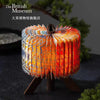
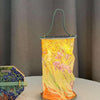
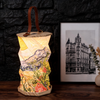
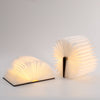
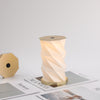
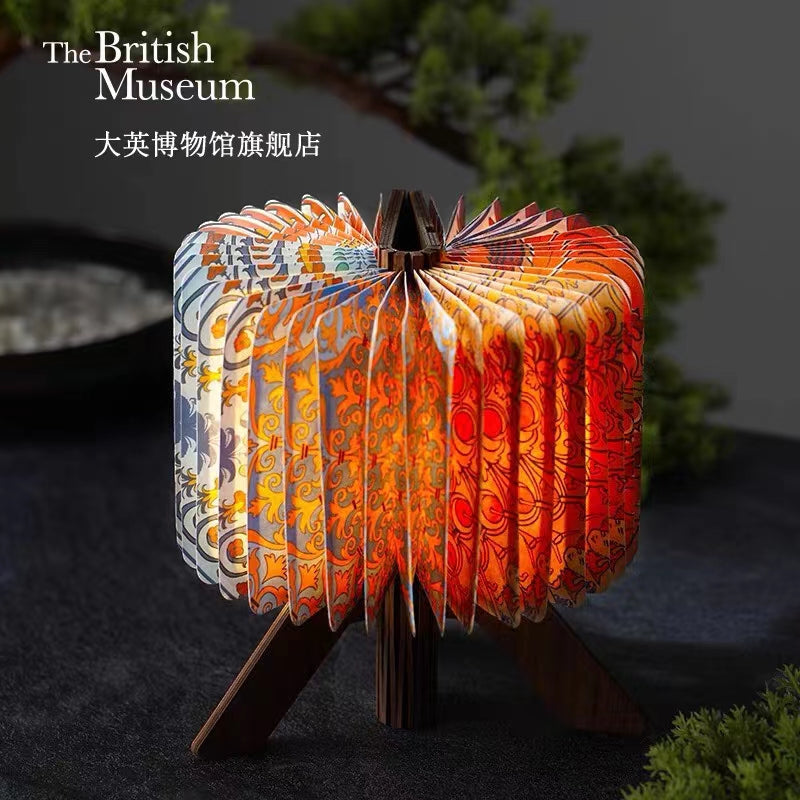
Decorative lighting is another possible format. When the product structure and artwork are compatible, a lamp can combine illumination with an artistic or cultural image, creating an experience different from a conventional printed souvenir.
These opportunities should be assessed individually. The visual character of the source material, the technical requirements of the product, the target audience, and the retail price all influence whether an idea is practical.
How to Evaluate Wholesale Museum Gift Suppliers
Museum buyers need suppliers that understand both manufacturing requirements and the importance of accurate, authorized artwork reproduction.
Before selecting a supplier, assess several factors.
Relevant manufacturing experience. Ask whether the supplier has experience producing comparable products and whether it can explain its materials, printing methods, construction, and quality-control process.
Customization capability. Confirm whether the supplier can work with approved artwork, logos, patterns, exhibition themes, and packaging requirements.
Sampling and approval. Establish how prototypes will be reviewed, how artwork adjustments will be handled, and which sample or specifications will serve as the final production reference.
Production capacity and delivery. Check MOQ, lead times, replenishment capability, and the supplier's ability to meet exhibition or seasonal deadlines.
Quality and compliance. Request relevant documentation and confirm any applicable safety or labeling requirements, particularly for products containing electrical components or batteries.
Communication and accountability. Clarify who approves the artwork, who confirms production specifications, and how quality issues or delays will be handled.
For museum merchandise, accurate reproduction and reliable delivery are especially important because the product may represent a recognizable institution or a licensed artist.
Art Licensing and Intellectual Property: What Buyers Need to Know
Museum collections may include public-domain works, licensed artworks, commissioned designs, and materials subject to separate rights or restrictions.
A work being displayed by a museum does not automatically mean that every image, photograph, or reproduction can be used commercially without permission.
Before developing a product, confirm the rights covering the specific image or material, product category, territory, duration, reproduction method, and any required credit lines. The relevant agreement may also specify approval procedures for samples and promotional materials.
For public-domain artwork, buyers should still check the status of the particular image or photograph and any applicable local rules. Rights in a modern photograph of an older artwork may differ from rights in the original work.
A clear approval process protects both the museum and the manufacturer. It also helps prevent costly redesigns after sampling or production has begun.
Pricing and Inventory: Balancing Cultural Value With Retail Performance
Museum products can serve different commercial purposes. Some introduce visitors to the museum at an accessible price, while others offer a more distinctive design or a premium collectible experience.
Retail buyers should establish a target retail price and work backward to determine the acceptable product cost.
That calculation should account for packaging, freight, duties, taxes, and other applicable expenses—not just the supplier's quoted unit price.
MOQ also matters. A large order may reduce the unit cost but create excess inventory if visitor demand is uncertain. A smaller initial order may carry a higher unit cost but reduce exposure for an experimental product.
For new exhibition merchandise, consider expected attendance, the exhibition's duration, past sales of similar items, and the possibility of replenishment. For permanent collection products, assess whether the item can remain relevant beyond a single campaign.
The objective is to support the museum's retail mission without committing to quantities that the market is unlikely to absorb.
How Can Museum Stores Build Collections Instead of Isolated Products?
A collection-based approach allows several products to tell one coherent story.
Instead of selecting unrelated items individually, buyers can begin with an exhibition, a group of artworks, a historical theme, or a recognizable visual identity. Products are then chosen according to how they contribute to that theme.
A coordinated collection may share artwork, color, packaging, explanatory content, or a common design language. Different items can serve different budgets and uses while remaining recognizable as part of the same retail story.
This approach can also simplify merchandising and communication. Staff can explain the connection between products, and online listings can direct visitors toward related items.
However, not every collection needs many formats. A focused assortment of a few well-chosen products may be easier to manage and more coherent than a broad range developed without a clear purpose.
How DECO Supports Museum-Inspired Product Development
For museums and cultural retailers exploring products beyond conventional printed merchandise, customized decorative lighting can offer another way to present approved artwork and collection themes.
DECO is a China-based cultural and creative product manufacturer specializing in folding lamps and decorative lighting. Suitable product formats can be customized with approved illustrations, patterns, and themed artwork for museum retail and cultural product collections.
A project can begin with the museum's intended audience, source artwork, licensing scope, target retail price, order quantity, and packaging requirements. These details help determine whether the proposed design is suitable for the product format and what sampling or development steps are needed.
The aim is to create a product that respects the artwork while meeting the practical requirements of manufacturing and retail.
Learn more about DECO's products and manufacturing capabilities at https://www.decotechs.com.cn.
Expert Tip: Design Around the Museum's Story, Not Just Its Logo
A museum logo can establish the institution's identity, but it does not necessarily make a product distinctive.
Start by identifying what visitors remember about the museum: a particular artwork, an exhibition, a historical discovery, an architectural feature, or a unique cultural perspective. Then evaluate which product formats can communicate that story clearly and appropriately.
When the product has a meaningful connection to the collection, it can provide visitors with a more lasting reminder of their experience.
Key Takeaway
Successful wholesale museum gifts connect cultural significance with practical retail decisions.
Museum stores can build stronger assortments by starting with their collections and visitors, choosing suitable product formats, confirming licensing rights, evaluating suppliers carefully, and managing MOQ and inventory against realistic demand.
The opportunity is not simply to put a museum name on more products. It is to create meaningful retail items that extend the visitor experience while remaining commercially and operationally practical.
Related Articles
-
Wholesale Home Décor: How Retailers Can Build a Profitable Product Assortment
-
Wholesale Gift Products: How Buyers Can Choose the Right Products and Suppliers
-
Wholesale Decorative Lighting: How Retailers Can Source the Right Products
-
Artist Collection Ideas: How to Turn Artistic Identity Into a Successful Product Collection
-
Fine Art Retail in 2026: How Art Buyers, Retailers, and Licensing Brands Are Adapting
-
Cultural Home Décor: How Art, Heritage, and Place Shape Modern Interiors
About the Author
Kairos is Export Director at DECO, working with international buyers and brands on cultural and creative product development.
About DECO
DECO is a China-based manufacturer specializing in cultural and creative folding lamps and decorative lighting, offering customized product development for retail, licensing, and branded collections.