Wildlife Collection: How to Create a Nature-Inspired Retail Product Range
Wildlife Collection: How to Create a Nature-Inspired Retail Product Range
Wildlife has a universal appeal. From majestic elephants and colorful tropical birds to forest animals and marine life, animals capture people's attention and create strong emotional connections. They also offer endless possibilities for illustration, storytelling, and product design.
For retailers, a wildlife collection can become a distinctive product range that connects nature, education, art, and everyday lifestyle. It can appeal to families, children, tourists, animal lovers, and customers interested in conservation.
However, creating a successful wildlife collection requires more than putting animal pictures on different products. Retailers need to consider the target audience, visual style, product selection, and the story behind the designs.
This guide explores how retailers and wholesalers can develop a coordinated wildlife collection for different retail environments.

1. What Is a Wildlife Collection?
A wildlife collection is a group of coordinated products inspired by wild animals, their natural habitats, and the ecosystems in which they live.
Unlike a general animal-themed product range, a wildlife collection can be built around a particular region, species, habitat, or conservation story.
For example:
-
Forest Wildlife: Deer, foxes, bears, owls, rabbits, and woodland birds.
-
African Wildlife: Elephants, lions, giraffes, zebras, rhinos, and leopards.
-
Ocean Wildlife: Whales, dolphins, sea turtles, sharks, and colorful fish.
-
Tropical Wildlife: Parrots, toucans, monkeys, sloths, and exotic reptiles.
-
Arctic Wildlife: Polar bears, penguins, seals, Arctic foxes, and whales.
-
Australian Wildlife: Kangaroos, koalas, wombats, and platypuses.
Each theme offers a different visual identity and can be adapted to different customer groups and retail markets.
2. Choose a Wildlife Theme That Connects With Your Customers
The first step is to decide what kind of wildlife story the collection should communicate.
A broad collection featuring animals from every continent may offer variety, but it can also lack a clear identity. A more focused theme often creates a stronger and more recognizable product range.
Woodland and forest animals
Forest animals are familiar and approachable. Foxes, deer, bears, squirrels, and owls work well in illustrated collections for family-oriented retailers, bookstores, and lifestyle stores.
African safari animals
Large mammals such as elephants, lions, giraffes, and zebras have strong visual recognition. Their distinctive shapes and patterns make them suitable for colorful retail products, children's collections, and tourism-related merchandise.
Marine wildlife
Ocean animals offer opportunities for both educational and decorative products. Whales, dolphins, sea turtles, and coral reef species can support collections for aquarium shops, coastal destinations, and marine museums.
Endangered species
A collection featuring endangered animals can communicate a meaningful conservation message. It may be particularly relevant to zoos, wildlife organizations, natural history museums, and educational retailers.
The best theme is one that matches the store's customer profile and has a clear reason to exist within the retail assortment.

3. Develop a Consistent Animal Illustration Style
The visual style of a wildlife collection determines how customers perceive it.
The same animal can look very different depending on the illustration technique. A realistic tiger portrait creates a different impression from a playful cartoon tiger or a minimalist geometric design.
Consider these approaches:
Realistic wildlife illustrations
Detailed illustrations emphasize the natural appearance of animals. They are suitable for nature museums, educational shops, and customers who appreciate wildlife artwork.
Watercolor animal artwork
Soft colors and expressive brushwork create an artistic and approachable appearance. This style can work well in lifestyle stores and decorative collections.
Minimalist animal graphics
Simple silhouettes, clean outlines, and limited colors provide a contemporary look. They are easy to coordinate across multiple product formats.
Playful animal characters
Friendly expressions and simplified shapes can appeal to children and family shoppers. This direction is useful for toy stores, children's museums, and family-oriented retail.
Pattern-based designs
Animal spots, stripes, feathers, scales, and habitat patterns can create a more abstract collection. For example, zebra stripes or tropical bird feathers can become recognizable visual elements without relying on detailed animal portraits.
For a cohesive collection, choose one primary illustration style and apply it consistently across the products.
4. Use Natural Habitats to Build a Stronger Collection Story
Animals are closely connected to their environments. Using habitat imagery can make a wildlife collection more interesting and visually complete.
Instead of showing only individual animals, retailers can develop designs around the environments where they live.
-
Rainforest: Dense leaves, tropical flowers, monkeys, parrots, and sloths.
-
Savanna: Open grasslands, acacia trees, elephants, giraffes, and lions.
-
Ocean: Blue water, coral reefs, sea turtles, dolphins, and whales.
-
Woodland: Trees, mushrooms, streams, foxes, deer, and birds.
-
Polar regions: Icebergs, snowy landscapes, penguins, seals, and polar bears.
This approach gives designers more creative possibilities. Background landscapes, vegetation, and environmental details can help create a complete visual composition.
It also gives retailers the option to develop several smaller collections under one broader wildlife theme.
5. Select Products That Bring Wildlife Artwork Into Everyday Life
A wildlife collection should offer more than one product type. Different formats allow customers to interact with the same theme in different ways.
For example, a coordinated range could include:
Decorative products
Animal illustrations can be used on wall décor, decorative accessories, and lighting products. These items help bring wildlife artwork into the home.
Stationery and paper products
Notebooks, bookmarks, greeting cards, and illustrated paper goods are natural formats for animal artwork, particularly in bookstores and museum shops.
Children's products
Friendly animal designs can be developed for children's accessories, educational products, and playful decorative items.
Small retail accessories
Compact products featuring recognizable animals can work well in checkout areas, travel retail, zoo shops, and souvenir stores.
Decorative lighting
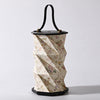
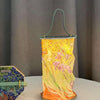
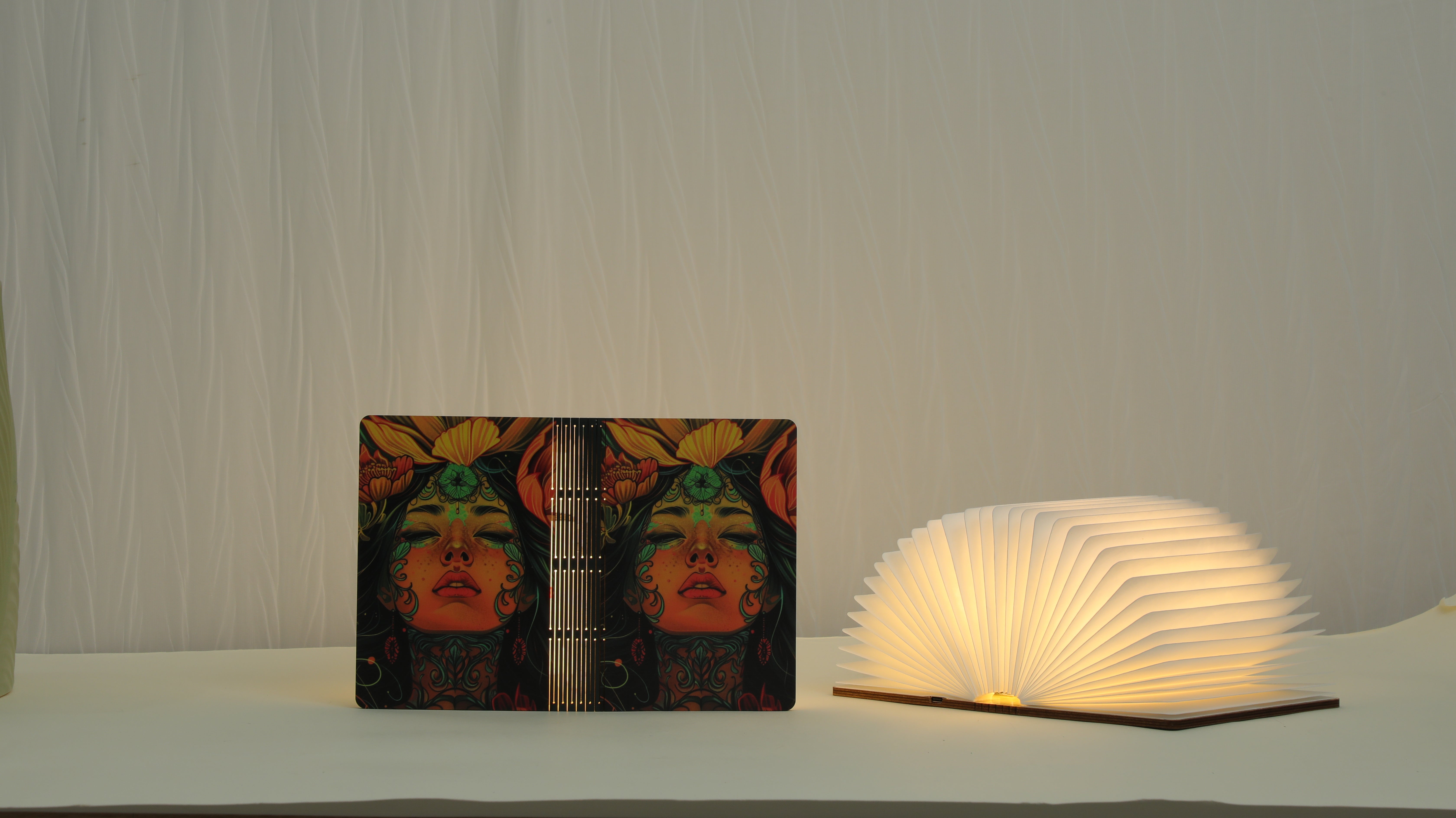
Lighting products provide another way to display wildlife artwork. For example, folding lamps can feature forest animals, tropical birds, marine creatures, or regional wildlife illustrations. When opened, the expanding structure displays the artwork in a decorative three-dimensional form.
The product selection should reflect the store's positioning, available display space, and target price range.
6. Adapt Wildlife Designs to Different Retail Markets
A wildlife collection can serve several types of retail businesses, but the product and design direction should be adjusted to each market.
Zoo and aquarium shops
These stores can focus on animals that visitors have seen during their visit. A collection featuring the zoo's recognizable species can create a meaningful connection with the experience.
Natural history museums
Museum shops may prefer scientifically informed illustrations, historical animal artwork, or designs connected to specific exhibitions. Accuracy and artwork permissions are particularly important.
Tourist and souvenir stores
Regional wildlife can help create a stronger connection to a destination. Products featuring local birds, mammals, marine species, or native animals can become memorable souvenirs.
Bookstores and educational retailers
Illustrated animal collections can complement books about wildlife, ecology, conservation, and natural science.
Home décor and lifestyle stores
For these retailers, the emphasis may be more on artistic quality, color coordination, and decorative appeal than on educational information.
Understanding the sales environment helps buyers avoid developing a collection that looks attractive but does not fit their customers.
7. Make the Collection More Meaningful Through Conservation Stories
Wildlife products can communicate more than animal imagery. They can also introduce customers to biodiversity, habitat protection, and endangered species.
Retailers may consider building a collection around a conservation theme, such as protecting sea turtles, preserving rainforest habitats, or raising awareness of endangered wildlife.
There are several ways to communicate the story:
-
Include short educational information about selected species.
-
Use packaging to introduce the animal's natural habitat.
-
Develop products around a particular conservation or exhibition theme.
-
Collaborate with qualified wildlife illustrators or conservation organizations.
-
Clearly explain any genuine donation or partnership associated with the collection.
Any conservation claims should be accurate and verifiable. If a product is described as supporting a wildlife organization, the commercial arrangement should be confirmed before that claim is printed on packaging or used in marketing.
A meaningful story can give customers another reason to connect with the collection.
8. Customization: Create Wildlife Products With a Distinctive Identity
For retailers, customization can help transform a general wildlife theme into a collection that feels unique to their business.
Possible customization directions include:
-
Exclusive animal illustrations for a zoo, aquarium, or museum.
-
Local wildlife designs for a tourism destination.
-
Branded artwork for a wildlife exhibition.
-
A coordinated collection featuring several selected species.
-
Custom packaging with educational information or destination branding.
For example, a coastal destination might develop a marine wildlife collection featuring sea turtles, dolphins, and whales. A forest attraction could create a range around deer, foxes, owls, and other local animals.
When developing custom products, buyers should confirm artwork ownership, reproduction permissions, printing specifications, sample approval, and production quantities with the manufacturer.
9. What Buyers Should Check Before Developing a Wildlife Collection
Before placing an order, retailers should evaluate both the creative direction and the commercial requirements.
Artwork suitability: Are the animal illustrations clear, attractive, and appropriate for the target customer?
Market relevance: Does the selected wildlife theme connect with the store's location, audience, or brand identity?
Product variety: Can the artwork work across several product formats without losing visual quality?
Display consistency: Will the products look coordinated when displayed together?
Production quality: Can the supplier reproduce fine illustration details, colors, and patterns consistently?
Commercial practicality: Are the minimum order quantities, packaging costs, lead times, and retail prices suitable for the business?
A small initial order or sample review can help buyers evaluate the collection before committing to a larger production run.
Expert Tip: Start With a Recognizable Wildlife Theme
When developing a new wildlife collection, it is often better to begin with a focused theme rather than too many unrelated animals.
For example, a collection featuring six to eight animals from one habitat can create a clearer visual identity than a range mixing polar bears, tropical birds, African mammals, and marine creatures.
Once the first collection has established customer interest, retailers can expand into other habitats or species.
Key Takeaway
A successful wildlife collection combines recognizable animal artwork, a consistent visual style, and products suited to the target retail market.
By choosing a clear habitat or species theme, coordinating illustrations and colors, and connecting designs with educational or regional stories, retailers can create a product range with stronger identity and display appeal.
From zoo and museum shops to bookstores, tourist stores, and home décor retailers, wildlife-inspired designs offer flexible opportunities for product development.
For retailers and wholesalers interested in decorative products featuring animal artwork, DECO manufactures customizable folding lamps that can be developed around approved wildlife illustrations, regional animal themes, and branded designs.
Related Articles
-
Botanical Collection: How to Build a Botanical-Themed Retail Product Range
-
Nature Collection: How to Create a Nature-Inspired Retail Product Range
-
How to Build a Retail Product Collection: A Guide for Retailers
-
Wholesale Museum Gifts: How Museum Stores Can Develop Meaningful Retail Collections
-
How Retail Buyers Choose Products: 9 Factors Behind Smart Buying Decisions
About the Author
Kairos is Export Director at DECO, specializing in cultural and creative decorative lighting and customized folding lamp products. He works with international wholesalers, retailers, and brands to develop distinctive products for different retail markets.
About DECO
DECO is a manufacturer specializing in cultural and creative folding lamps and decorative lighting. With in-house product development, printing, and manufacturing capabilities, DECO provides customized designs for retail, home décor, museum shops, tourism, and brand collaboration projects.
Website: https://www.decotechs.com.cn