What Should IP Owners Consider When Choosing a Manufacturing Partner?
What Should IP Owners Consider When Choosing a Manufacturing Partner?


Introduction
For IP owners, intellectual property is more than a visual identity. It represents creative value, brand recognition, licensing opportunities, and long-term commercial potential.
Whether the IP consists of illustrated characters, artwork collections, entertainment properties, brand identities, or original designs, turning it into physical products requires the right manufacturing partner.
A manufacturer does more than produce an item. It helps translate creative concepts into actual products through material selection, printing, product development, sampling, and mass production.
However, choosing a manufacturing partner involves more than comparing unit prices. IP owners need to consider intellectual property protection, customization capabilities, production quality, communication, and the manufacturer's ability to support commercial projects.
This article explores seven important factors IP owners should evaluate before selecting a manufacturing partner.
1. Understand the Manufacturer's Product Expertise
The first consideration is whether the manufacturer has relevant experience in the product category you want to develop.
Not every factory is suitable for every type of licensed product. A manufacturer specializing in stationery, for example, may not have the equipment or technical knowledge required to produce decorative lighting.
Before approaching a manufacturer, identify the intended product category and evaluate its manufacturing capabilities.
Important questions include:
-
Does the factory specialize in the product category?
-
Does it manufacture products in-house or outsource major production processes?
-
Does it have experience working with customized artwork and licensed designs?
-
Can it provide examples of similar products?
-
Does it understand the materials and production techniques required?
For IP owners, working with a manufacturer that understands the product itself can reduce development uncertainty and make communication more efficient.
It is also useful to distinguish between a trading company and a direct manufacturer. A direct manufacturer may provide closer communication with production teams, greater visibility into manufacturing processes, and more direct control over customization.

2. Check Intellectual Property Protection and Confidentiality
Intellectual property protection is one of the most important considerations when working with a manufacturing partner.
IP owners may need to share original artwork, character illustrations, design files, brand guidelines, and other confidential materials during product development.
Before sharing these assets, establish clear rules regarding how they can be used.
Consider the following:
Confidentiality agreements
A non-disclosure agreement (NDA) can establish confidentiality obligations before sensitive information is shared.
Authorized use of artwork
The manufacturer should understand that artwork and licensed designs can only be used for the agreed project and authorized production scope.
Production restrictions
Clarify whether the manufacturer is permitted to produce the designs for other customers or use them in other projects.
File management
Discuss how original artwork, production files, and sample designs will be stored, accessed, and handled.
Marketing and portfolio permissions
If a manufacturer wants to display a customized product in its website, catalog, exhibitions, or social media, obtain the IP owner's written approval first.
A clear agreement should also address ownership of newly developed artwork, product designs, tooling, and other project-specific materials where applicable.
IP owners should not assume that a general manufacturing agreement automatically protects every aspect of their intellectual property. Legal terms should be reviewed according to the specific project and relevant jurisdictions.
3. Evaluate Customization and Product Development Capabilities
A good manufacturing partner should be able to translate an IP owner's creative assets into a suitable physical product.
This involves more than printing a logo or placing an illustration on an existing item.
Depending on the product category, customization may include:
-
Artwork and pattern printing.
-
Character and brand design applications.
-
Product color and material selection.
-
Product structure adjustments.
-
Custom packaging and labeling.
-
Multiple designs within one product collection.
-
Product sampling and development.
For example, an IP owner with a collection of illustrated characters may want to develop several products featuring different characters while maintaining a consistent visual identity.
The manufacturer should be able to explain which elements can be customized, which are limited by the existing product structure, and which would require additional engineering or development costs.
Consider Products That Extend Beyond Traditional Merchandise
IP owners often begin with familiar product categories such as stationery, puzzles, apparel, and printed merchandise.
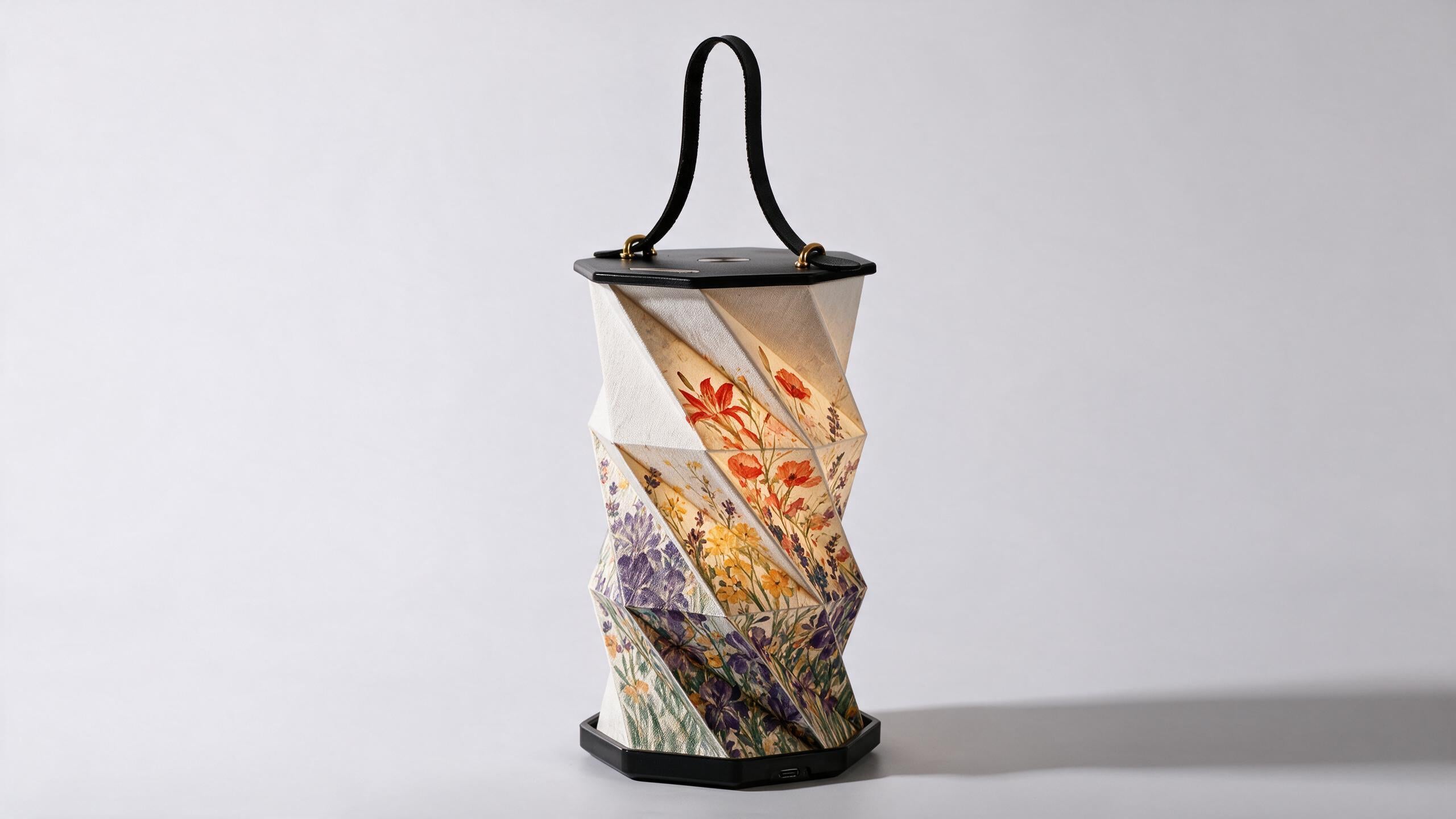
However, artwork and licensed designs can also be explored in home décor, lifestyle products, and decorative lighting.
For example, a book-style folding lamp can incorporate approved illustrations or character artwork on its inner pages. When opened vertically, the illuminated pages display the design as part of the product's decorative appearance.

This provides another way to present licensed artwork beyond conventional flat printed products.
The key is to choose a product format that complements the IP and its target audience.
4. Review Sampling and Product Approval Procedures
Before placing a mass production order, IP owners should understand how the manufacturer handles samples and design approvals.
Sampling is an important stage because the final physical product may look different from the original digital design.
Colors, materials, printing surfaces, product dimensions, and structural details can all influence the finished appearance.
A reliable sampling process should include several stages:
Artwork review
The manufacturer checks the supplied artwork and confirms its suitability for the selected product.
Artwork layout
The design is adjusted according to product dimensions and printing areas.
Sample production
A physical sample is produced for evaluation.
Design and functional inspection
The IP owner reviews the appearance, printing quality, materials, structure, and product functionality.
Final approval
The final specifications and approved sample become the reference for mass production.
For licensed products, approval procedures may also involve the IP owner, licensing agent, brand team, or external approval department.
These responsibilities and approval timelines should be clarified before production begins.


5. Understand MOQ, Pricing, and Production Capacity
Commercial terms are another important factor when choosing a manufacturing partner.
IP owners may want to test a new product category with a relatively small initial order before expanding into larger retail programs.
However, minimum order quantities (MOQs) can vary depending on product structure, printing requirements, materials, and packaging.
Before confirming a project, discuss:
-
Minimum order quantity per product model.
-
Minimum order quantity per artwork design.
-
Unit pricing at different order quantities.
-
Sampling and development costs.
-
Custom packaging requirements.
-
Production lead times.
-
Payment terms.
-
Shipping arrangements.
One detail that is particularly important for artwork-based collections is whether the MOQ applies to the entire order or to each individual design.
For example, an IP owner may want to develop four different character designs. The manufacturer should clarify whether these designs can share one production order or whether each design requires a separate minimum quantity.
It is also important to evaluate production capacity. A factory should be able to support not only the initial order but also potential repeat orders if the product performs well.
The lowest quotation is not necessarily the best commercial choice. Buyers should consider product quality, customization flexibility, communication, and delivery reliability alongside pricing.
6. Check Quality Control and Product Compliance
Product quality directly affects the reputation of an IP.
If a licensed product has poor printing, inconsistent colors, weak materials, or functional defects, consumers may associate those problems with the IP itself.
For this reason, quality control should be discussed before mass production.
Important areas include:
Artwork and printing quality
Check color consistency, image clarity, alignment, and printing defects.
Material quality
Confirm that the selected materials meet the agreed specifications.
Product structure
Inspect dimensions, assembly, opening and closing mechanisms, and other structural details.
Functional performance
For products involving electrical components, review relevant safety requirements, testing procedures, and applicable certifications for the intended market.
Packaging and labeling
Confirm that packaging protects the product and that all required product information is correct.
IP owners should also establish inspection standards and clarify how defects, corrective actions, and production issues will be handled.
Where necessary, independent inspection and third-party testing can provide additional verification before shipment.
[IMAGE 5 – QUALITY CONTROL AND PRODUCT TESTING]

7. Evaluate Communication and Long-Term Cooperation
Product development often involves multiple parties, including IP owners, licensing agents, artists, retailers, and manufacturers.
Clear communication is therefore essential.
A suitable manufacturing partner should be able to explain technical requirements, identify potential production limitations, provide realistic timelines, and respond to design feedback.
Consider whether the manufacturer can:
-
Provide clear quotations and specifications.
-
Communicate production progress.
-
Explain technical issues in understandable terms.
-
Coordinate artwork revisions and sample approvals.
-
Provide realistic delivery schedules.
-
Support repeat orders and future product development.
Long-term cooperation is particularly valuable for IP owners managing multiple artwork collections or planning several product launches throughout the year.
A manufacturer that understands the project's requirements can make subsequent development more efficient.
8. How DECO Works with IP Owners and Licensing Companies
DECO is a manufacturer specializing in cultural and creative folding lamps and decorative lighting.
For IP owners, art licensing companies, publishers, and brands, DECO offers opportunities to develop customized lighting products using approved artwork, illustrations, patterns, and brand designs.
Its product range includes several formats that can be considered for licensed product development.
Book-Style Folding Lamps
These lamps feature a book-like structure that opens vertically from the top and bottom. Suitable artwork can be printed on the inner pages, creating an illuminated display when the lamp is opened.
Rotating Decorative Lamps
These products offer another decorative lighting format for exploring licensed artwork and themed collections.
Mini Book Lamps
Compact book-style lamps can be considered for smaller retail formats, themed collections, and selected licensing projects.
Customization Capabilities
Depending on the selected model and project requirements, DECO can discuss:
-
Custom artwork and inner-page printing.
-
Different licensed designs within a product collection.
-
Brand logos and visual identity.
-
Customized packaging and labeling.
-
Artwork layout and sampling.
-
Mass production according to approved specifications.
DECO uses materials such as DuPont™ Tyvek® and specialty paper in its folding lamp products, depending on the model.

How to Start a Project with DECO
IP owners and licensing companies interested in developing customized decorative lighting can begin by providing:
-
A brief introduction to the IP or artwork collection.
-
Selected artwork or design references.
-
The intended product format or application.
-
Target markets and sales channels.
-
Estimated order quantity.
-
Packaging and branding requirements.
-
Relevant licensing permissions and artwork approval guidelines.
DECO can review the project, recommend suitable existing product formats, discuss customization possibilities, and provide information about MOQ, pricing, sampling, and production arrangements.
For projects involving confidential or unreleased IP, confidentiality and authorized-use requirements should be discussed before sensitive design files are shared.
Conclusion
Choosing a manufacturing partner is an important decision for IP owners looking to turn creative assets into physical products.
The right partner should offer relevant manufacturing expertise, respect intellectual property rights, support customization, provide a clear sampling process, maintain consistent quality, and communicate effectively throughout production.
Rather than focusing only on the initial quotation, IP owners should evaluate whether a manufacturer can support the entire journey from artwork adaptation to finished product delivery.
For IP owners exploring decorative lighting as a new product category, DECO offers customized folding and creative lamp products that can be developed using approved artwork and branding.
Have an IP collection or licensed artwork you would like to turn into decorative lighting products? Contact DECO to discuss your project, explore suitable product formats, and review the customization and manufacturing process.