How to Develop Custom Decorative Lighting with Licensed Artwork?
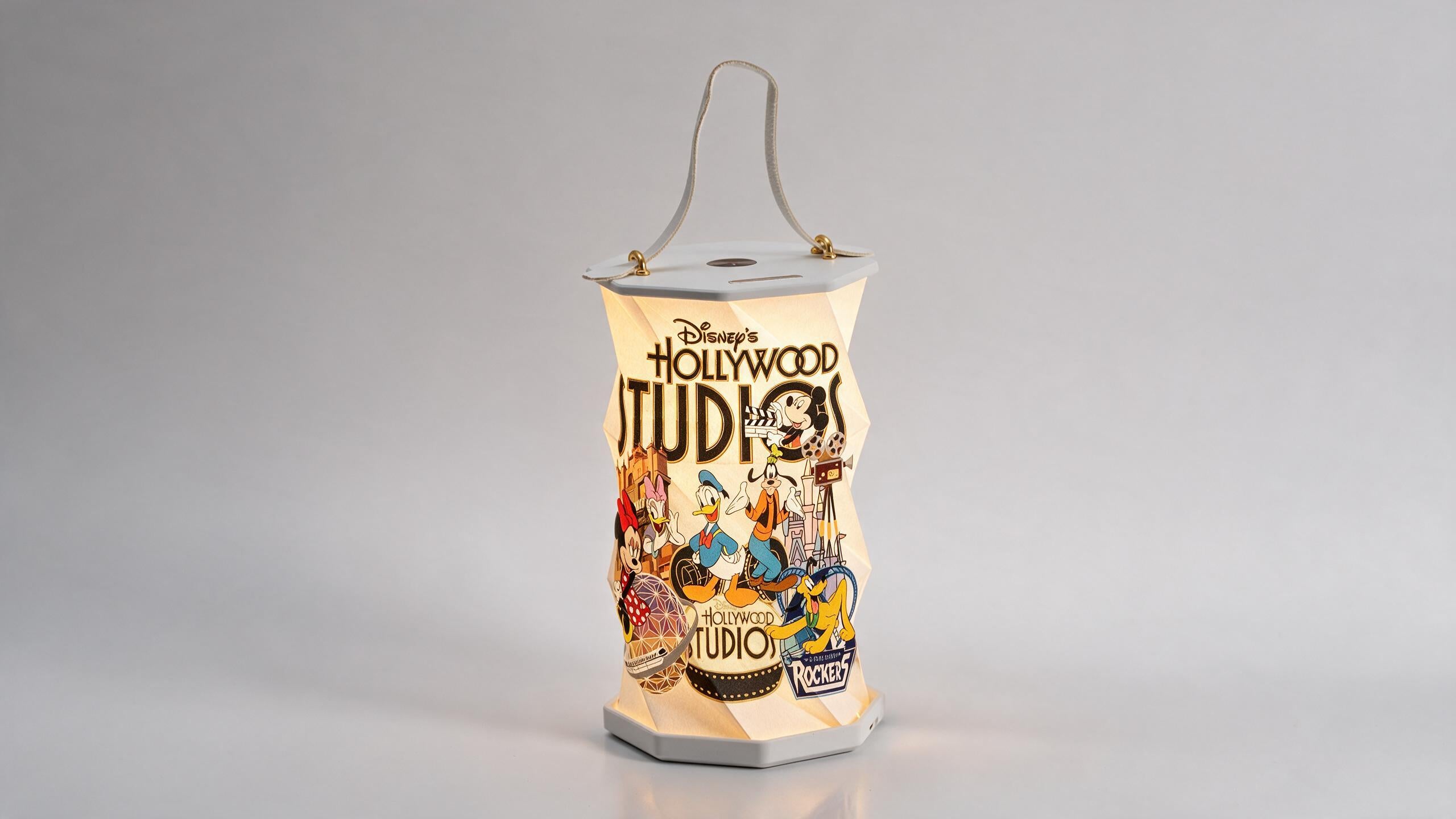
How to Develop Custom Decorative Lighting with Licensed Artwork?

Introduction
Artwork licensing creates opportunities for creative designs to reach consumers through products beyond traditional prints, posters, puzzles, and books.
For art publishers, licensing companies, illustrators, and IP owners, decorative lighting offers another way to present artwork in everyday environments.
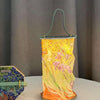
Unlike conventional printed products, decorative lighting combines visual design with illumination. An illustration can become part of a functional decorative object, allowing consumers to experience the artwork in a different format.
However, developing decorative lighting with licensed artwork involves more than simply placing an image onto an existing product. The artwork must be adapted to the product structure, printing area, materials, and intended lighting effect.
This guide explains the key steps involved in developing custom decorative lighting with licensed artwork, from selecting the right product format to approving samples and arranging mass production.
1. Start with the Artwork Collection and Target Market
The first step is to understand the artwork collection and determine which designs are suitable for decorative lighting.
Not every illustration or licensed image will work equally well across different product formats.
For example, an artwork collection may include:
-
Botanical illustrations and floral designs.
-
Wildlife and nature artwork.
-
Landscapes and city illustrations.
-
Abstract and geometric patterns.
-
Famous paintings and fine art reproductions.
-
Character illustrations and licensed IP designs.
-
Seasonal and holiday artwork.
Each category offers different possibilities for decorative product development.
A botanical illustration collection, for example, may work well as a series of decorative lamps for home interiors. A collection of city illustrations could be developed into location-themed products for tourism retail or museum shops.
Before selecting the product format, consider three questions:
Who is the target consumer?
A decorative product designed for art enthusiasts may require a different visual presentation from one intended for mainstream home décor retail.
Where will the product be sold?
Museum shops, independent retailers, home décor stores, bookstores, and online platforms may have different product expectations.
What makes the artwork recognizable?
Some designs rely on detailed illustrations, while others are recognized through color combinations, characters, or distinctive visual elements.
Understanding these factors helps determine which artwork should be developed first.

2. Choose a Decorative Lighting Format That Fits the Artwork
After identifying suitable designs, the next step is choosing the right product format.
Decorative lighting comes in different structures, materials, and visual styles. The selected format should complement the artwork rather than compete with it.
For example, artwork with strong colors and recognizable illustrations may benefit from a product with a large visible printing area. More delicate designs may require a format that preserves fine details and the original color balance.
For art publishers and licensing companies, several product directions are worth considering.
Book-Style Folding Lamps
Book-style folding lamps feature a book-like structure that opens vertically from the top and bottom.
The inner pages can display customized artwork, illustrations, or patterns. When opened and illuminated, the printed pages become part of the decorative presentation.
This format can be suitable for:
-
Art and illustration collections.
-
Botanical and nature-themed designs.
-
Licensed character artwork.
-
Museum and cultural collections.
-
City and landmark illustrations.
Rotating Decorative Lamps
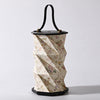
Rotating decorative lamps provide another format for presenting artwork through decorative lighting.
Depending on the product structure, artwork can be incorporated into the relevant printable components to create themed decorative designs.
Mini Book Lamps
Smaller book-style lamps offer opportunities for compact product collections, retail displays, and selected themed merchandise programs.


3. Adapt Licensed Artwork to the Product Structure
One of the most important stages in custom decorative lighting development is artwork adaptation.
An illustration created for a flat print or digital display may not automatically fit a three-dimensional product.
The artwork needs to be adjusted according to the product's dimensions, printable area, material characteristics, and structural layout.
Several factors should be considered.
Artwork dimensions
The original artwork may need resizing or cropping to fit the product's printing area.
Composition and positioning
Important visual elements should remain clearly visible after the artwork is applied to the product.
Color consistency
The final printed colors may vary depending on the material and printing process. Color references and sample approval are therefore important.
Multiple designs
When developing a collection, different illustrations should maintain a consistent visual style and overall presentation.
Product structure
Some products contain folds, joints, edges, or other structural areas that may affect how the artwork appears.
For book-style folding lamps, for example, the artwork layout needs to account for the individual inner pages and the way the product opens.
This is why it is important to involve the manufacturer early in the artwork adaptation process.


4. Select Suitable Materials and Printing Methods
Materials and printing methods influence the final appearance, durability, and functionality of decorative lighting products.
Different lamp structures may require different materials. Therefore, material selection should be based on the product design and intended application.
For example, DECO uses DuPont™ Tyvek® and specialty paper in its folding lamp products, depending on the model.
When evaluating materials and printing methods, consider the following:
Visual presentation
The material should support the desired appearance of the artwork, including color, detail, and overall visual quality.
Durability
The material should be suitable for the intended product structure and normal usage conditions.
Printing compatibility
Not every material supports the same printing process. The manufacturer should confirm whether the selected artwork can achieve the desired result.
Lighting performance
The material and printed design should work together with the lamp's illumination to create the intended visual effect.
For licensed artwork projects, it is especially important to evaluate the physical sample rather than relying entirely on digital mockups.
A design that looks attractive on a computer screen may produce a different visual effect when printed onto the actual product material.
5. Develop Samples and Obtain Artwork Approval
Before moving into mass production, a physical sample should be developed and reviewed.
This stage allows the IP owner, licensing company, or art publisher to evaluate how the licensed artwork looks on the finished product.
A typical sampling process includes:
-
Artwork submission: The customer provides approved artwork files and design references.
-
Technical review: The manufacturer checks the artwork dimensions, printing areas, and product requirements.
-
Layout preparation: The artwork is adjusted to fit the selected product.
-
Sample production: A physical sample is manufactured for evaluation.
-
Sample review: The customer checks colors, printing quality, structure, and overall appearance.
-
Final approval: The approved sample and specifications become the reference for mass production.
For projects involving licensed IP, the approval process may also include the original artist, licensing agent, or brand approval team.
It is useful to agree on who has final approval authority before sampling begins.

6. Develop a Consistent Licensed Product Collection
Rather than developing only one individual product, IP owners can consider creating a coordinated collection around a specific artwork theme.
A collection approach can help present the artwork more consistently and provide retailers with several designs to consider.
For example:
Botanical Collection
A series featuring flowers, leaves, plants, and botanical illustrations.
Wildlife Collection
Decorative lighting featuring birds, butterflies, woodland animals, and other nature-inspired artwork.
City and Landmark Collection
A range of products featuring recognizable cityscapes, architectural details, and famous landmarks.
Fine Art Collection
A selection of designs based on authorized paintings, artistic patterns, and historical artwork.
Character Collection
A series featuring different characters from the same licensed IP.
When planning a collection, consider the following:
-
Maintain consistent artwork quality and visual presentation.
-
Select designs that work well with the chosen product structure.
-
Decide how many designs should be included in the first production.
-
Clarify the MOQ for each individual design.
-
Coordinate packaging and product presentation across the collection.
For retail buyers, a coordinated collection may provide more merchandising flexibility than a single isolated product.


7. Confirm Licensing Rights and Production Requirements
Before mass production, all artwork usage and commercial requirements should be confirmed.
The manufacturer should receive clear instructions about which designs are approved and how they may be used.
Important points include:
Artwork authorization
Confirm that the IP owner or customer has the necessary rights to use the artwork on the intended product category.
Territory and sales channels
Clarify where the products can be sold and through which channels.
Production quantity
Confirm the approved quantity and whether additional production requires further authorization.
Design and packaging approval
Establish the approval process for product artwork, packaging, labels, and other branded elements.
Confidentiality
If the project involves unreleased artwork or confidential IP materials, agree on confidentiality and authorized-use requirements before sharing the files.
These details help avoid misunderstandings between IP owners, licensing agents, and manufacturers.
The manufacturer should work according to the approved project specifications rather than independently expanding the permitted use of licensed designs.
8. Move from Product Development to Mass Production
Once the artwork, product structure, materials, samples, and approvals are confirmed, the project can move into mass production.
Before production starts, the manufacturer and customer should finalize the key specifications.
These normally include:
-
Approved product model and dimensions.
-
Final artwork and printing layout.
-
Materials and product components.
-
Packaging and labeling specifications.
-
Order quantity and design breakdown.
-
Quality inspection requirements.
-
Production and delivery schedule.
For a multi-design project, it is particularly important to confirm the quantity allocated to each design.
The manufacturer should also establish quality inspection procedures to ensure that mass-produced products remain consistent with the approved sample.
After production, finished products are packed according to the agreed packaging requirements and prepared for shipment.

9. How DECO Supports Custom Decorative Lighting Projects
DECO is a manufacturer specializing in cultural and creative folding lamps and decorative lighting.
For art publishers, IP owners, licensing companies, and brands, DECO provides opportunities to develop customized lamp products using approved artwork and visual designs.
Its product range includes book-style folding lamps, rotating decorative lamps, and mini book lamps.
Depending on the selected model, customization can include:
-
Inner-page artwork printing.
-
Licensed illustrations and character designs.
-
Custom patterns and visual themes.
-
Brand logos and product identification.
-
Customized packaging and labeling.
-
Sample development and mass production.
DECO works with customers to review artwork, confirm suitable product formats, prepare customized layouts, develop samples, and arrange production based on approved specifications.

What Information Should You Prepare?
If you are considering developing decorative lighting with licensed artwork, you can begin by preparing:
-
Your artwork collection or selected design files.
-
A brief introduction to the IP or licensing project.
-
Your preferred product format or product references.
-
Target markets and intended sales channels.
-
Estimated order quantity and number of designs.
-
Packaging and branding requirements.
-
Artwork authorization and approval guidelines.
With this information, DECO can review the project and discuss suitable products, customization options, MOQ, pricing, sampling, and production arrangements.
Conclusion
Developing decorative lighting with licensed artwork requires a combination of creative design, product knowledge, and manufacturing expertise.
The process starts with selecting suitable artwork and product formats, followed by artwork adaptation, material selection, sample development, licensing approval, and mass production.
For art publishers and IP licensing companies, decorative lighting provides another format for presenting existing artwork collections and creating distinctive physical products.
By working with a manufacturer that understands both product structure and artwork customization, IP owners can explore new product opportunities while maintaining consistency with their original creative designs.
DECO welcomes inquiries from art publishers, licensing companies, IP owners, and brands interested in developing custom decorative folding lamps and creative lighting products.
Contact DECO to discuss your artwork collection and explore possibilities for custom decorative lighting development.