City Collection: How to Create a City-Inspired Retail Product Range
City Collection: How to Create a City-Inspired Retail Product Range
Every city has a visual identity. Famous landmarks, historic buildings, distinctive streets, local architecture, and cultural symbols all contribute to the way people remember a destination.
For retailers, these elements offer valuable inspiration for developing a city collection. A well-designed range can turn recognizable urban scenes into products that customers want to take home, display, or give to others.
City-themed products are particularly relevant to souvenir stores, museum shops, airport retailers, bookstores, tourism businesses, and lifestyle stores. They can also provide opportunities for local brands and cultural institutions to develop products that reflect their surroundings.
However, a successful city collection should offer more than a collection of landmark photographs. It needs a clear visual direction, thoughtful product selection, and a connection to the character of the destination.
This guide explores how retailers and wholesalers can develop a distinctive city-inspired product range.
1. What Is a City Collection?
A city collection is a coordinated range of products inspired by a particular city or urban destination.
Its designs may feature famous landmarks, architectural details, street scenes, skylines, local transportation, cultural symbols, and everyday city life.
Different approaches can create different collection styles:
-
Landmark Collection: Famous buildings, monuments, bridges, and iconic attractions.
-
Architecture Collection: Historic facades, modern skyscrapers, distinctive building details, and architectural patterns.
-
City Skyline Collection: Recognizable city outlines and panoramic urban landscapes.
-
Street Life Collection: Cafés, markets, street signs, neighborhood scenes, and local transportation.
-
Cultural City Collection: Local art, traditional patterns, festivals, and regional symbols.
-
Vintage City Collection: Retro travel posters, old maps, historical illustrations, and nostalgic city graphics.
A city collection can focus on one destination or include several cities under a broader travel or architecture theme.

2. Choose the Right City Theme and Visual Identity
The first step is deciding what aspect of a city should define the collection.
A city may be known for its architecture, history, lifestyle, cultural attractions, or natural surroundings. The strongest design direction usually starts with the city's most recognizable characteristics.
Iconic landmarks
Famous structures make a city easy to identify. Examples include the Eiffel Tower in Paris, the Colosseum in Rome, Big Ben in London, and the Statue of Liberty in New York.
These landmarks are useful for souvenir products because visitors can immediately connect the design with the destination.
Historic architecture
Some cities are better represented through architectural details than a single famous attraction. Traditional rooftops, colorful facades, historic streets, and decorative windows can create a more artistic collection.
Modern city skylines
Skyscrapers, bridges, waterfronts, and contemporary buildings are suitable for cities with recognizable modern architecture.
Local neighborhoods and street culture
Markets, cafés, public transportation, street art, and neighborhood scenes can communicate the everyday character of a city. This approach can create a more personal and less conventional souvenir collection.
Cultural symbols
Traditional crafts, local festivals, regional patterns, and historical motifs can provide additional design inspiration, provided they are represented accurately and respectfully.
3. Use Different Illustration Styles to Tell the City's Story
The same landmark can look very different depending on the illustration style.
For retailers, choosing the right visual approach is important because it influences the product's appearance, target customer, and retail positioning.
Realistic city illustrations
Detailed architectural drawings and carefully rendered landmarks can appeal to customers who appreciate accurate representations of a destination.
Watercolor city scenes
Soft colors and expressive brushwork can create an artistic travel-inspired look. This style works well for decorative products and lifestyle collections.
Minimalist line drawings
Simple outlines of buildings, bridges, and skylines offer a clean and contemporary appearance. They can be adapted to different product formats.
Vintage travel poster designs
Retro typography, simplified architecture, and distinctive color combinations can create a nostalgic travel aesthetic.
Colorful illustrated cities
Playful buildings, streets, and cultural details can create a more approachable style for family-oriented stores and creative retail collections.
A consistent illustration style helps different products look like part of the same city collection.

4. Build the Collection Around a Complete City Story
A strong city collection does not need to rely on one famous landmark. It can bring together several elements to create a more complete picture of the destination.
For example, a Paris collection might combine the Eiffel Tower, historic streets, cafés, and distinctive architecture. A London collection could include Big Ben, red buses, traditional buildings, and city parks.
A collection can be organized around:
-
Landmarks: The city's most recognizable attractions.
-
Architecture: Historic and contemporary buildings.
-
Urban landscapes: Streets, rivers, bridges, and city skylines.
-
Local culture: Markets, food, festivals, and traditional visual elements.
-
City atmosphere: Night scenes, cafés, parks, and everyday urban life.
This approach creates more design options and allows retailers to develop a collection that feels richer than a single-image souvenir.
5. Select Products That Showcase City Artwork
City illustrations can be applied to a wide range of retail products. Buyers should select formats that suit the artwork and the shopping environment.
Decorative products
City skylines, architectural illustrations, and street scenes can be used on decorative accessories and home décor products. These designs allow customers to display memories of places they have visited.
Stationery and paper products
Notebooks, postcards, bookmarks, and illustrated cards are natural formats for city artwork. They are particularly suitable for bookstores, museum shops, and travel retail.
Small souvenir products
Compact products featuring recognizable landmarks can work well in tourist shops, airport stores, and attraction retail environments.
Lifestyle accessories
City-inspired illustrations can also be applied to practical everyday products, allowing retailers to offer something beyond conventional souvenirs.
Decorative lighting
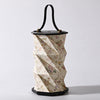
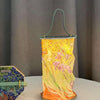
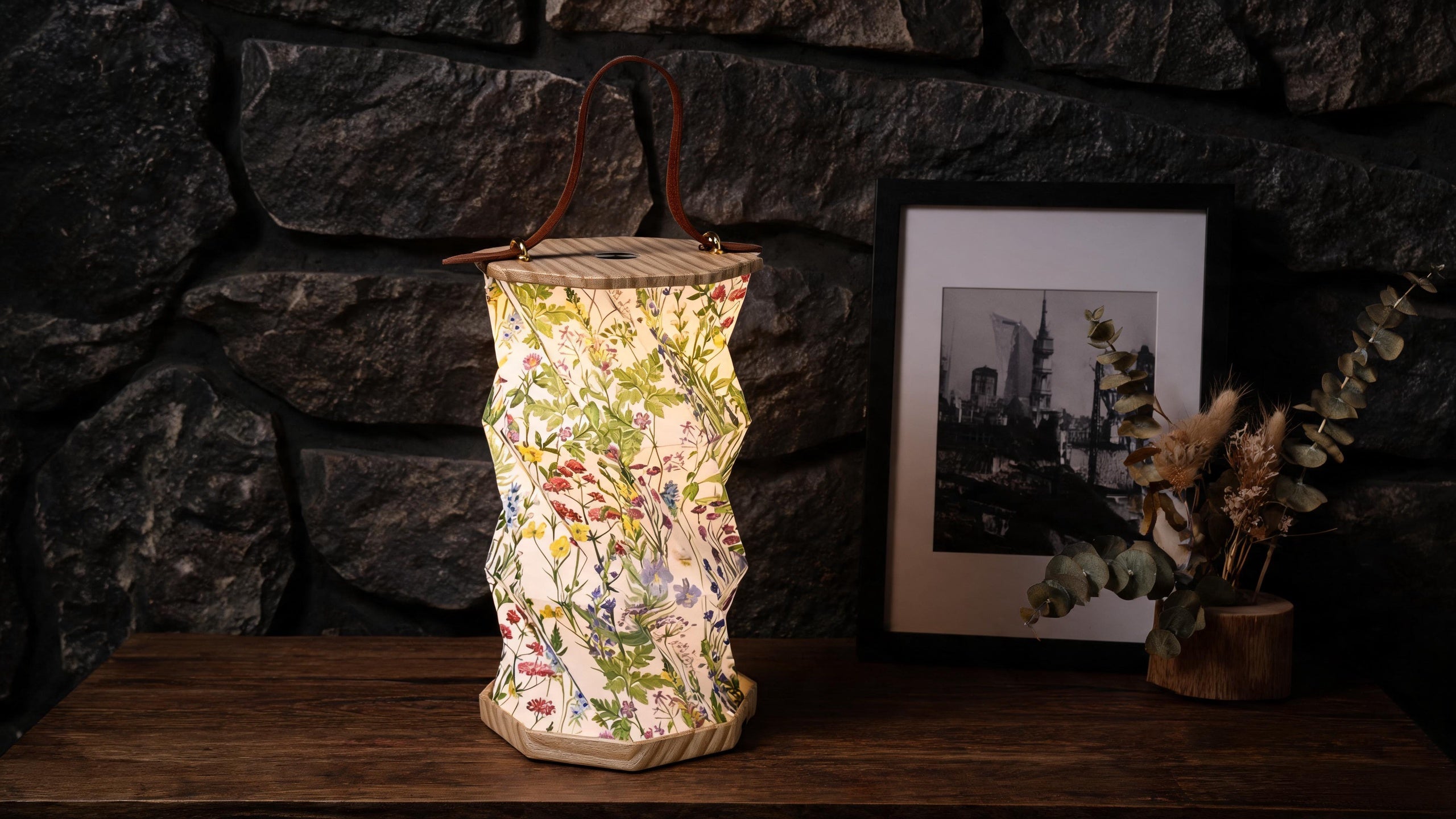
Lighting offers another way to present city artwork. For example, a folding lamp can feature a panoramic skyline, architectural illustrations, or a series of recognizable city landmarks.
When opened, its book-style structure expands into a decorative three-dimensional form. The printed artwork becomes part of the display, while warm LED illumination adds practical value.
For retailers, this creates an alternative to traditional flat souvenir products.
6. Adapt City Collections to Different Retail Markets
Different retail channels have different expectations for city-themed products.
Tourist and souvenir stores
These stores benefit from recognizable landmarks, local symbols, and destination-specific designs. Customers should be able to identify the city quickly.
Museum and cultural shops
Museum retailers may prefer historical architecture, exhibition-related illustrations, and designs connected to local heritage.
Airport and travel retail
Compact products, clear city identification, and easy-to-carry packaging are important considerations. Designs can also appeal to travelers looking for a memorable item before leaving a destination.
Bookstores and art retailers
Illustrated city maps, architectural drawings, and artistic travel scenes can complement books about architecture, photography, history, and travel.
Home décor and lifestyle stores
For these retailers, the emphasis may be on artistic quality and interior decoration rather than traditional souvenir imagery. Minimalist skylines and elegant architectural illustrations can be particularly suitable.
Understanding the retail environment helps buyers select the right product formats, artwork, and price positioning.
7. Make City Products More Personal With Local Details
One way to make a city collection more distinctive is to include details that visitors may not immediately expect.
Instead of focusing only on famous landmarks, retailers can explore:
-
Traditional shopfronts and local streets.
-
Distinctive architectural windows and rooftops.
-
Bridges, rivers, and waterfront scenes.
-
Local transportation and street signs.
-
Regional decorative patterns.
-
Seasonal city scenes and local festivals.
These details can make a collection feel more connected to the destination.
For example, a collection inspired by Venice could include canals, bridges, historic facades, and traditional boats. A collection inspired by New York could combine its skyline with recognizable streets, subway imagery, and urban architecture.
The goal is to create designs that represent the city rather than simply reproduce a famous building.
8. Develop Customized City Collections for Retailers and Attractions
Customization gives retailers the opportunity to create exclusive destination products.
A museum, tourism organization, airport retailer, or local brand may want designs that reflect its own location, visual identity, or customer experience.
Possible customization approaches include:
-
Creating exclusive landmark illustrations.
-
Developing a collection around a particular city district.
-
Combining several attractions into one panoramic design.
-
Adding a destination name, logo, or short message.
-
Creating coordinated artwork across multiple product formats.
-
Developing designs for special exhibitions or tourism campaigns.
For example, a museum shop could develop products featuring the architecture of its building and nearby cultural landmarks. A tourist retailer could create a city skyline collection with different designs for several destinations.
When using photographs, artwork, logos, or protected architectural imagery, buyers should confirm the relevant commercial permissions and reproduction rights before production.
9. What Retail Buyers Should Consider Before Ordering
A visually attractive city collection must also meet practical retail requirements.
Before placing an order, buyers should evaluate:
Destination recognition: Can customers identify the city or attraction from the design?
Artwork quality: Are architectural details, colors, and proportions reproduced clearly?
Local relevance: Does the design represent the destination accurately and respectfully?
Product suitability: Does the artwork work well on the selected product format?
Collection consistency: Do different designs share a recognizable visual identity?
Packaging: Is the product easy to display, carry, and transport?
Production requirements: Are minimum order quantities, sample approval, lead times, and pricing suitable for the project?
A sample review is particularly useful for city artwork because fine architectural details and small text may require adjustments before mass production.
Expert Tip: Think Beyond the Most Famous Landmark
Famous landmarks are important, but they are not the only way to represent a city.
A collection that combines iconic buildings with local streets, architectural details, and cultural elements can feel more distinctive and memorable.
For retailers, this creates opportunities to develop a wider range of designs while maintaining a strong connection to the destination.
Key Takeaway
A successful city collection combines recognizable landmarks, distinctive architectural artwork, local cultural details, and suitable retail products.
By developing a clear visual identity and adapting designs to different retail channels, businesses can create destination-themed products that go beyond conventional souvenirs.
From tourist shops and airports to museums, bookstores, and home décor retailers, city-inspired designs offer opportunities to turn local identity into a coordinated product collection.
For wholesalers and retailers interested in customized city-themed decorative products, DECO manufactures folding lamps that can be developed with approved landmark illustrations, city skylines, architectural artwork, and destination-specific designs.
Related Articles
-
Space Collection: How to Create an Out-of-This-World Retail Product Range
-
Floral Collection: How to Create a Beautiful Flower-Inspired Retail Product Range
-
Wildlife Collection: How to Create a Nature-Inspired Retail Product Range
-
Wholesale Souvenirs: 15 Product Categories for Retailers in 2027
-
Wholesale Museum Gifts: How Museum Stores Can Develop Meaningful Retail Collections
-
How to Build a Retail Product Collection: A Guide for Retailers
About the Author
Kairos is Export Director at DECO, specializing in cultural and creative decorative lighting and customized folding lamp products. He works with international wholesalers, retailers, and brands to develop distinctive products for different retail markets.
About DECO
DECO is a manufacturer specializing in cultural and creative folding lamps and decorative lighting. With in-house product development, printing, and manufacturing capabilities, DECO provides customized designs for retail, home décor, museum shops, tourism, and brand collaboration projects.
Website: https://www.decotechs.com.cn