Landmark Collection: How to Create Unique Landmark-Inspired Retail Products

Landmark Collection: How to Create Unique Landmark-Inspired Retail Products
Famous landmarks are more than buildings and monuments. They represent the history, culture, architecture, and identity of a destination. From the Eiffel Tower and the Colosseum to the Great Wall of China and the Statue of Liberty, these recognizable structures create lasting memories for travelers.
For retailers, landmarks offer a powerful source of inspiration for developing distinctive souvenir and cultural product collections. Customers often look for products that remind them of places they have visited, while museums, tourism businesses, and cultural retailers want merchandise that reflects the significance of their destinations.
A well-developed landmark collection can turn architectural details and historical symbols into products with both decorative appeal and cultural meaning.
This guide explores how retailers and wholesalers can develop a landmark-inspired product range, from choosing the right buildings to selecting product formats and creating customized designs.
1. What Is a Landmark Collection?
A landmark collection is a coordinated range of products inspired by recognizable buildings, monuments, bridges, historical sites, and other important structures.
Unlike a general city collection, which may include streets, neighborhoods, local culture, and urban landscapes, a landmark collection focuses on specific places or architectural icons.
Common design themes include:
-
Historic Landmarks: Ancient buildings, castles, palaces, temples, and archaeological sites.
-
Modern Architecture: Skyscrapers, contemporary museums, and iconic structures.
-
Monuments and Memorials: Statues, memorials, and important public structures.
-
Bridges and Engineering Landmarks: Famous bridges, towers, and engineering achievements.
-
Religious Architecture: Cathedrals, churches, mosques, temples, and other significant religious buildings.
-
World Heritage Sites: Recognized cultural and natural heritage locations.
A collection can focus on one landmark or bring together several famous structures from a particular city, country, or cultural region.
2. Choose Landmarks With Strong Recognition and Cultural Value
The first step is deciding which landmarks should form the collection.
Not every historic building or architectural structure has the same level of recognition among visitors. Retailers should consider how familiar a landmark is to their target customers and whether it has a meaningful connection to the destination.
World-famous landmarks
Iconic structures such as the Eiffel Tower, the Great Wall of China, the Colosseum, and the Statue of Liberty are immediately recognizable to international travelers.
They are suitable for broad tourism markets and destination souvenir collections.
Historic buildings
Palaces, castles, traditional houses, and historic government buildings can appeal to customers interested in architecture and cultural heritage.
Religious and cultural landmarks
Temples, cathedrals, mosques, and other culturally significant structures can provide inspiration for museum shops and heritage retailers. Designs should represent these places accurately and respectfully.
Local architectural icons
A destination may have distinctive buildings that are less internationally famous but highly meaningful to local visitors. These can create more exclusive products and help retailers differentiate their collections.
The best choices combine visual recognition, cultural relevance, and a clear connection to the retail location.
3. Explore Different Architectural Illustration Styles
The same landmark can be represented in many different ways. Choosing the right illustration style can make a collection more distinctive and help it appeal to different customers.
Detailed architectural illustrations
Fine lines, accurate proportions, and carefully drawn architectural details are suitable for customers who appreciate architecture and historical accuracy.
Watercolor landmark artwork
Soft colors and expressive brushwork create an artistic travel-inspired appearance. This style can work well in museum shops and decorative retail collections.
Minimalist line drawings
Simple outlines emphasize the shape and structure of a building. They are suitable for contemporary souvenirs and modern home décor.
Vintage travel poster designs
Retro typography, bold colors, and simplified architectural imagery create a nostalgic travel aesthetic.
Colorful illustrated landmarks
Playful illustrations and stylized buildings can appeal to family-oriented tourism stores and creative souvenir retailers.
For a coordinated collection, retailers should select a consistent illustration approach, even when the range includes several different landmarks.
4. Use Architectural Details to Create More Distinctive Designs
A landmark collection does not need to rely entirely on full-building illustrations.
Sometimes, the most recognizable elements are smaller architectural details.
Consider exploring:
-
Decorative windows and arches.
-
Rooflines, domes, and towers.
-
Columns, entrances, and facades.
-
Bridges and structural patterns.
-
Carved decorations and traditional motifs.
-
Distinctive silhouettes and building outlines.
These details can create more artistic and versatile designs.
For example, a collection inspired by Gothic architecture could use pointed arches, stained-glass patterns, and decorative stonework. A collection based on traditional Chinese architecture could explore roof curves, ornamental brackets, and distinctive building silhouettes.
This approach gives designers more flexibility when adapting landmark artwork to different product sizes and formats.
5. Select Products That Showcase Landmark Artwork
A landmark collection can include several product formats, allowing retailers to serve different customer preferences and price points.
Decorative products
Architectural illustrations can be used on decorative accessories and home décor products. These formats allow customers to display memories of important destinations.
Stationery and paper products
Notebooks, postcards, bookmarks, and illustrated cards are suitable for landmark artwork, particularly in bookstores and museum shops.
Small souvenir products
Compact products featuring recognizable buildings can work well in tourist shops, airport stores, and attraction retail environments.
Lifestyle accessories
Practical products featuring landmark illustrations can help retailers extend their souvenir range beyond conventional keepsakes.
Decorative lighting
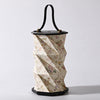
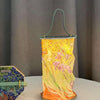
Lighting offers another way to display architectural artwork. For example, a folding lamp can feature a famous building, a historic skyline, or a panoramic illustration of a cultural site.
When opened, the lamp expands into a three-dimensional decorative form, allowing the landmark artwork to become part of the display. Warm LED illumination adds a practical lighting function.
For retailers, this creates a distinctive alternative to traditional flat souvenir products.
6. Develop Collections Around Different Types of Destinations
Landmark products can be adapted to different retail markets depending on the location and visitor profile.
Historic cities
Cities with rich architectural heritage can develop collections featuring palaces, castles, monuments, and traditional streets.
World Heritage destinations
Retailers near heritage sites can create products inspired by the site's architecture, history, and cultural significance. Accuracy and appropriate use of official imagery are especially important.
Museums and cultural institutions
Museum shops can connect landmark products with exhibitions, collections, and the history of a particular building or region.
Religious and pilgrimage destinations
Products inspired by significant religious architecture may serve visitors looking for meaningful keepsakes. Design development should take cultural and religious sensitivities into account.
Modern architectural destinations
Cities known for contemporary architecture, skyscrapers, and engineering landmarks can develop more modern and design-focused collections.
Understanding the destination helps retailers select the right landmarks and create products that feel relevant to visitors.
7. Turn Landmark Designs Into Meaningful Souvenirs
A strong landmark product should help customers remember more than the appearance of a building.
It can also communicate a small part of the destination's story.
For example, packaging or accompanying product information might introduce:
-
The history of the landmark.
-
Its architectural style.
-
The period in which it was built.
-
Its cultural or historical importance.
-
Interesting details that visitors may not notice during a short visit.
This information can make the product more engaging and provide additional value for museum shops and cultural retailers.
Any historical information should be checked against reliable sources, especially when the products are intended to represent important heritage sites.
8. Customize Landmark Collections for Different Customers
Customization allows retailers, museums, tourism organizations, and cultural brands to create products that are more closely connected to their destinations.
Possible approaches include:
-
Creating exclusive illustrations of selected landmarks.
-
Combining several buildings into one panoramic design.
-
Adding destination names, logos, or commemorative text.
-
Developing collections around a particular exhibition or anniversary.
-
Applying consistent artwork across multiple product formats.
-
Creating different designs for individual attractions within one destination.
For example, a museum shop might develop a collection featuring its own building alongside nearby historic landmarks. A tourism retailer could create a series of products representing several attractions within the same city.
For customized projects, buyers should confirm artwork ownership, reproduction permissions, printing specifications, sample approval, minimum order quantities, and production lead times before proceeding.
9. What Retail Buyers Should Consider Before Ordering
A landmark collection needs to balance visual appeal with practical commercial requirements.
Before placing an order, buyers should evaluate:
Landmark recognition: Can visitors easily identify the building or monument?
Architectural accuracy: Are the proportions, details, and distinctive features represented correctly?
Cultural sensitivity: Does the design respect the history and significance of the location?
Artwork suitability: Can the illustration be reproduced clearly on the chosen product format?
Collection consistency: Do different landmark designs share a recognizable visual identity?
Retail practicality: Are packaging, display requirements, and product sizes suitable for the store?
Production planning: Are minimum order quantities, lead times, pricing, and sample approval procedures clearly defined?
Reviewing samples is particularly important for architectural designs because fine lines, small details, and building proportions can strongly influence the finished appearance.
Expert Tip: Make the Landmark the Center of the Design
For souvenir products, the landmark should usually remain the most recognizable visual element.
Additional details such as local patterns, city names, decorative borders, or historical references can enrich the artwork, but they should not make the main structure difficult to recognize.
A clear composition helps customers connect the product with the destination at first glance.
Key Takeaway
A successful landmark collection combines recognizable architecture, accurate illustrations, cultural storytelling, and suitable retail product formats.
By focusing on iconic structures, exploring distinctive architectural details, and developing coordinated designs, retailers can create souvenir collections that offer more than ordinary destination merchandise.
From tourist shops and airports to museums, cultural institutions, and lifestyle retailers, landmark-inspired products provide opportunities to turn architectural heritage into memorable retail experiences.
For wholesalers and retailers interested in customized landmark-themed decorative products, DECO manufactures folding lamps that can be developed with approved architectural illustrations, famous building designs, panoramic landmark artwork, and destination-specific graphics.
Related Articles
-
City Collection: How to Create a City-Inspired Retail Product Range
-
Space Collection: How to Create an Out-of-This-World Retail Product Range
-
Floral Collection: How to Create a Beautiful Flower-Inspired Retail Product Range
-
Wildlife Collection: How to Create a Nature-Inspired Retail Product Range
-
Wholesale Souvenirs: 15 Product Categories for Retailers in 2027
-
Wholesale Museum Gifts: How Museum Stores Can Develop Meaningful Retail Collections
About the Author
Kairos is Export Director at DECO, specializing in cultural and creative decorative lighting and customized folding lamp products. He works with international wholesalers, retailers, and brands to develop distinctive products for different retail markets.
About DECO
DECO is a manufacturer specializing in cultural and creative folding lamps and decorative lighting. With in-house product development, printing, and manufacturing capabilities, DECO provides customized designs for retail, home décor, museum shops, tourism, and brand collaboration projects.
Website: https://www.decotechs.com.cn