Classic Art Gifts: 15 Timeless Ideas for Art Lovers
Classic Art Gifts: 15 Timeless Ideas for Art Lovers
Introduction
Classic art has a quality that makes it particularly suitable for gifting.
A famous painting, recognizable artistic style, or historic artwork can carry cultural meaning while also creating an emotional connection with the person receiving the gift. For many art lovers, a classic art gift is not simply a decorative object—it can represent an artist they admire, a museum they visited, or a particular period in art history.
Today, classic art can be translated into far more than traditional posters and postcards. From artwork-inspired lighting and home décor to books, collectibles, and limited-edition products, there are many ways to bring historic art into contemporary life.

What Makes a Good Classic Art Gift?
A strong classic art gift usually combines three things:
Artistic recognition — the recipient can understand the connection to an artist, artwork, or artistic movement.
Product value — the item is useful, displayable, or collectible.
Emotional meaning — the gift connects to a memory, interest, place, or personal preference.
This is why a thoughtfully designed art product can often feel more meaningful than a simple reproduction.
1. Famous Painting-Inspired Gifts
Famous paintings are among the most recognizable sources of classic art inspiration.
Depending on the recipient, gift ideas can draw from:
- Landscape paintings
- Portraits
- Still lifes
- Botanical artwork
- Impressionist paintings
- Classical compositions
- Abstract masterpieces
- Historical scenes
A painting can become the visual foundation for a much wider product collection.

2. Classic Art Prints
Art prints remain one of the most accessible classic art gifts.
They can range from inexpensive postcards and small prints to premium framed reproductions.
Popular formats include:
- Framed prints
- Canvas prints
- Fine-art paper prints
- Exhibition posters
- Art postcards
- Art print sets
Prints are particularly suitable for people who want to display art at home without purchasing an original work.
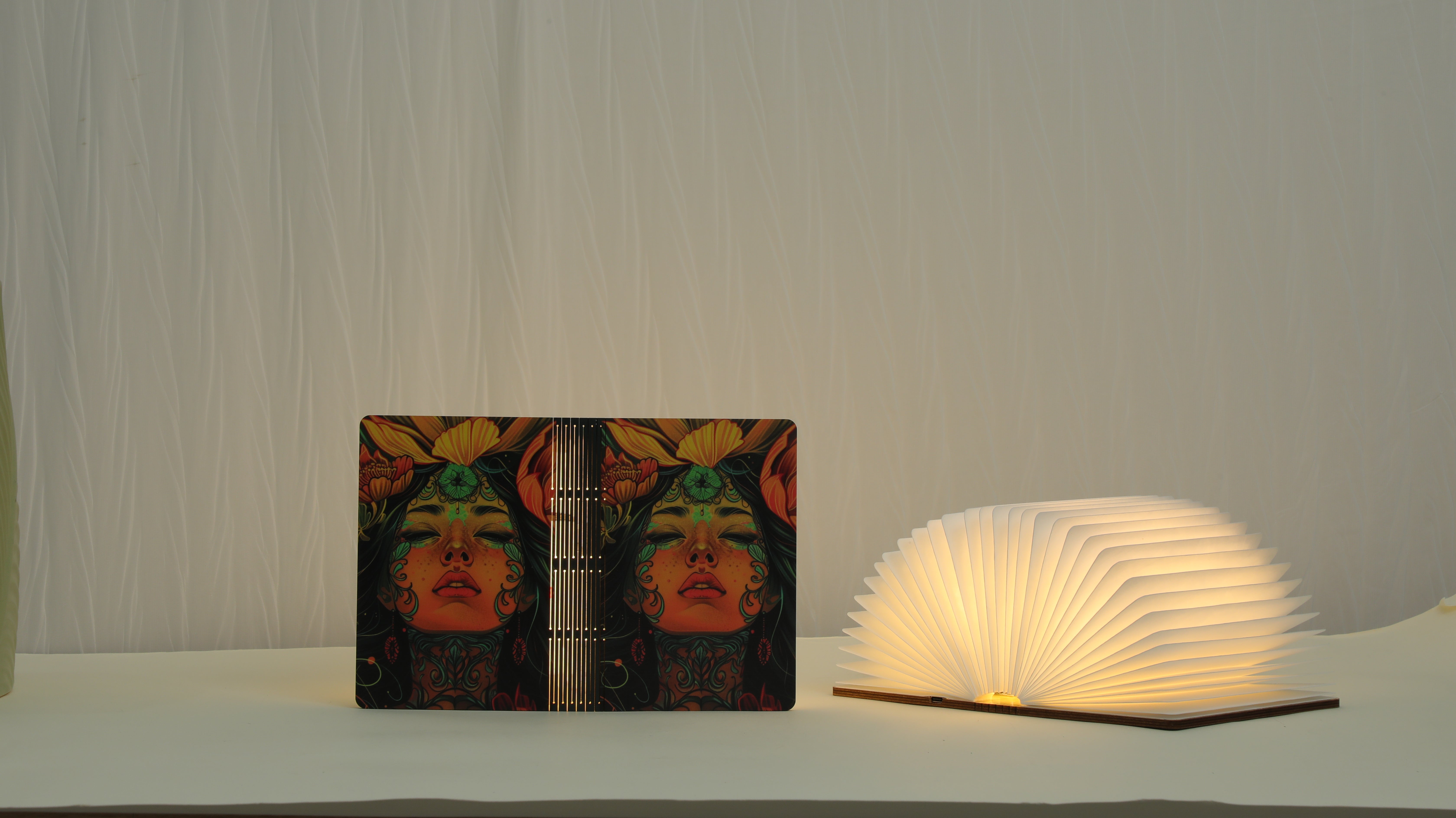
3. Artwork-Inspired Decorative Lamps
Classic artwork can also become part of decorative lighting.
Instead of simply hanging a reproduction on a wall, an artwork can be integrated into a lamp that creates a different experience when illuminated.
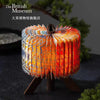
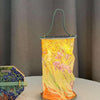
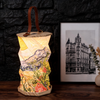
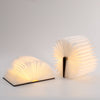
Folding lamps are one example. Artwork can be incorporated into the pages or surfaces, allowing the product to transition between a closed decorative object and an illuminated form.
This makes the product relevant to both art lovers and home décor consumers.
4. Art Books
Art books make thoughtful gifts because they combine visual enjoyment with knowledge.
Good options include:
- Artist monographs
- Museum collection books
- Art history books
- Exhibition catalogs
- Art movement guides
- Photography books
- Large-format art books
A well-designed art book can also become a decorative object in its own right.

5. Artist-Inspired Home Décor
Classic artists can inspire contemporary home accessories.
Products may incorporate recognizable:
- Colors
- Patterns
- Motifs
- Compositions
- Natural themes
- Visual characteristics
Possible products include trays, cushions, decorative objects, vases, mirrors, and tabletop accessories.
The most contemporary approach is often to interpret the artist's visual language rather than simply reproduce an entire artwork.
6. Museum Gift Shop Products
Museum stores are natural destinations for classic art gifts.
Depending on the collection, visitors may find:
- Art prints
- Books
- Stationery
- Jewelry
- Decorative objects
- Lighting
- Puzzles
- Collectibles
- Home accessories
Museum retail can turn an art experience into something visitors can continue enjoying after they leave.
7. Art Puzzles
A classic painting can become an interactive gift through a puzzle.
This works particularly well for:
- Families
- Art enthusiasts
- Museum visitors
- Teenagers
- Collectors
- People who enjoy creative hobbies
The product allows the recipient to spend time with the artwork rather than simply viewing it.
8. Classic Art Stationery
Stationery provides an affordable way to bring classic art into everyday life.
Ideas include:
- Notebooks
- Journals
- Greeting cards
- Postcards
- Calendars
- Sketchbooks
- Bookmarks
- Writing sets
For museum stores and retailers, stationery can also provide accessible price points for visitors who want a small souvenir.
9. Artist-Inspired Textiles
Classic artwork can be adapted into textiles such as:
- Scarves
- Cushions
- Throws
- Decorative blankets
- Bags
- Table textiles
Designers can use an artwork's color palette or visual elements rather than reproducing the entire original composition.
This can make the final product feel more contemporary.
10. Classic Art Collectibles
Collectors may appreciate smaller objects that have a clear connection to an artist, artwork, or museum collection.
Examples include:
- Miniature sculptures
- Figurines
- Decorative objects
- Limited editions
- Artist collaboration pieces
- Exhibition collectibles
Special packaging and storytelling can strengthen the connection between the product and the original artwork.
11. Sculpture-Inspired Gifts
Classic art is not limited to paintings.
Sculpture can inspire:
- Small replicas
- Sculptural décor
- Desk accessories
- Figurines
- Decorative objects
- Jewelry
- Contemporary interpretations
The product does not always have to be an exact reproduction. The form, silhouette, material, or concept can become the design inspiration.
12. Classic Art-Themed Tabletop Décor
Tabletop products offer another way to integrate art into everyday spaces.
Potential products include:
- Decorative trays
- Coasters
- Plates
- Serving pieces
- Candle holders
- Decorative boxes
These products work particularly well when the original collection includes decorative arts, botanical imagery, patterns, or still-life compositions.
13. Personalized Classic Art Gifts
Classic art can become more personal through customization.
Examples include:
- Custom art prints
- Personalized illustrations
- Custom artwork combinations
- Personalized home décor
- Location-inspired designs
- Custom packaging
- Art-inspired gifts for special occasions
This can make the difference between a generic art souvenir and a gift with personal meaning.
14. Classic Art Gift Sets
A coordinated collection can create a stronger gifting experience.
For example, a classic-art gift set might combine:
- A small art print
- A notebook
- A postcard set
- A decorative object
- A small lamp
The products can share the same artist, artwork, exhibition, or visual theme.
Gift sets are particularly useful for museum stores and specialty retailers looking for products at different price levels.
15. Limited-Edition Art Products
Limited editions can make classic art gifts feel more distinctive.
Possible opportunities include products created for:
- Major exhibitions
- Museum anniversaries
- Artist retrospectives
- Special collections
- Cultural events
- Museum collaborations
Limited-edition products can be differentiated through special artwork, packaging, materials, numbering, or production quantities.
How Do You Choose a Classic Art Gift?
Start with the recipient rather than the artwork.
What artist do they like?
A Van Gogh enthusiast may appreciate something very different from someone interested in Renaissance art or modernist design.
Do they prefer decoration or function?
Some people want something to display, while others prefer products they can use every day.
Do they collect?
Collectors may value limited editions, special packaging, or products with a clear institutional connection.
Do they have a favorite museum?
A museum-related gift can carry an additional emotional connection, especially if the recipient has visited the institution.
What is their interior style?
Classic art can be adapted to minimalist, traditional, Scandinavian, eclectic, and contemporary interiors.
Classic Art Does Not Have to Look Old-Fashioned
One of the most interesting opportunities in classic art product development is reinterpretation.
A historic artwork can be presented through a contemporary product, material, or function.
For example:
Classic painting → contemporary lighting
Historical pattern → modern textile
Sculpture → minimalist decorative object
Museum collection → lifestyle product
This allows classic art to remain culturally recognizable while becoming relevant to modern consumers.
Rights and Licensing Should Be Considered
Not every famous artwork can automatically be used commercially.
Before developing a product based on a particular artwork, artist, museum, or brand identity, businesses should review relevant:
- Copyright
- Trademark
- Artist rights
- Museum rights
- Image/reproduction rights
- Licensing agreements
The legal status of an artwork can vary by jurisdiction and by the specific use, so commercial projects should be reviewed appropriately before production.
Expert Tip: Build a Product Around the Story
For retailers and cultural organizations, the most valuable classic art products often start with a story.
Instead of asking:
“What product can we print this painting on?”
ask:
“What part of this artwork would people enjoy bringing into their everyday lives?”
The answer could be lighting, home décor, stationery, textiles, collectibles, or another product category.
This approach helps transform classic art from a reproduction into a modern lifestyle product.
Key Takeaway
Classic art gifts can be much more diverse than traditional prints and postcards.
Artwork-inspired lighting, books, stationery, home décor, puzzles, textiles, collectibles, gift sets, and limited editions all provide ways for art lovers to connect with the artists and artworks they admire.
For museums, retailers, art publishers, and licensing businesses, the opportunity lies in combining artistic recognition with contemporary product design.
The goal is not simply to reproduce classic art, but to create products that allow people to live with, use, display, and experience art in new ways.
Related Articles
- Art Lover Gift Ideas: 15 Creative Gifts for People Who Love Art
- Museum Collection Products: 15 Creative Ideas for Museum Retail
- Artistic Home Accessories: 15 Stylish Ideas for Modern Interiors
- Famous Painting Gifts: 15 Creative Art-Inspired Gift Ideas for 2027
- Van Gogh Inspired Gifts: 15 Creative Art Gifts for 2027
- Monet Inspired Home Décor: 15 Artistic Ideas for 2027
About the Author
Kairos, Export Director at DECO, works with international retailers, art-related businesses, cultural organizations, and brands to develop customizable decorative lighting and cultural creative products.
About DECO
DECO is a China-based manufacturer specializing in folding cultural and creative lamps and customizable decorative products. The company develops products around artwork, patterns, cultural themes, landmarks, and creative concepts for retail, museum, home décor, and lifestyle applications.
Learn more about DECO.