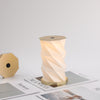
What Makes Decorative Lighting Different From Ordinary Lighting?
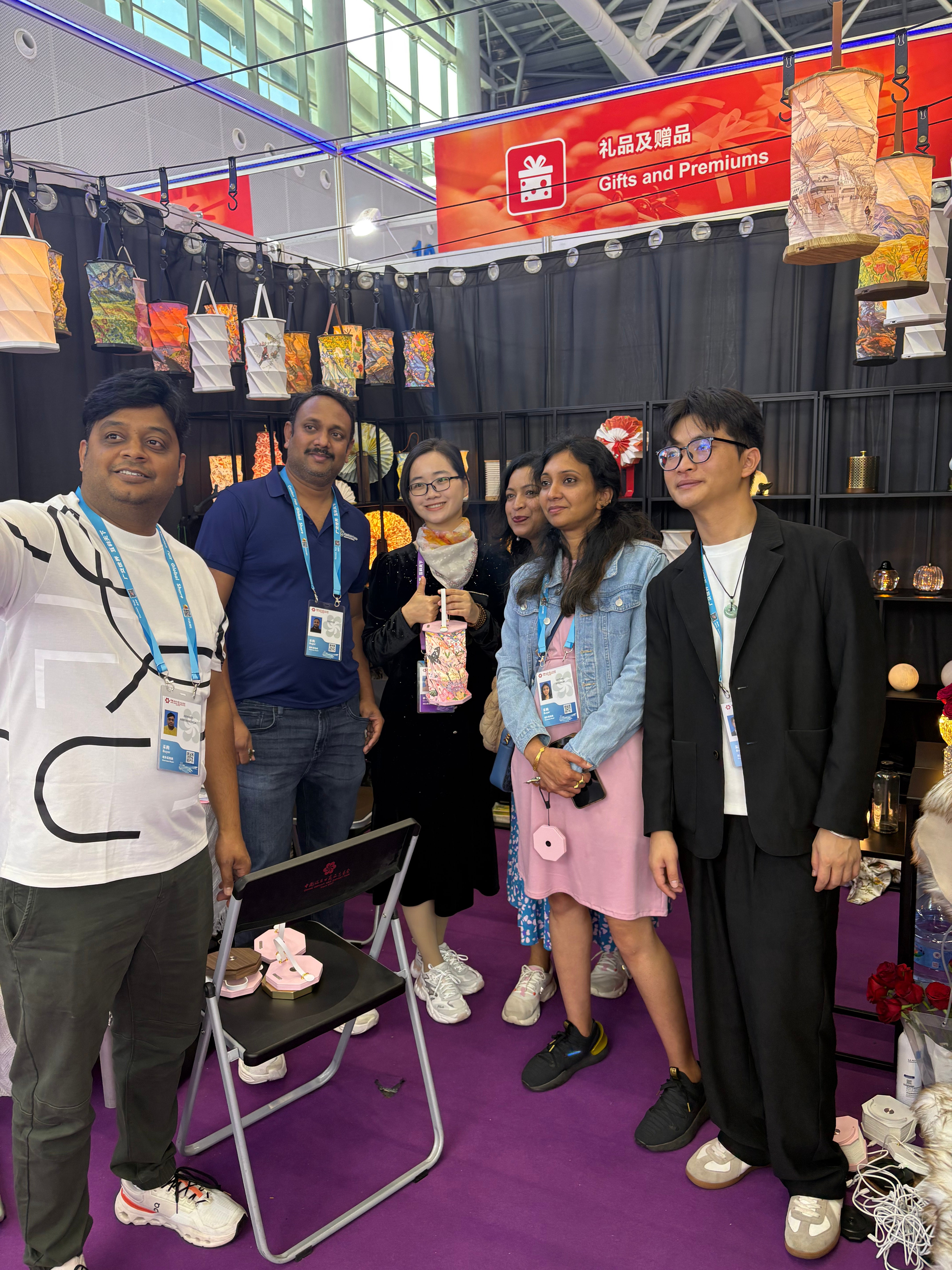
What Makes Decorative Lighting Different From Ordinary Lighting?
Traditional lighting is primarily functional: it provides enough light for a room or task.
Decorative lighting serves another purpose. It becomes part of the visual identity of a space.
A decorative lamp can:
- Create a warm atmosphere
- Become a focal point
- Add color or texture
- Reflect personal taste
- Support a particular interior style
- Work as a decorative object
- Tell a story through its design
This is why decorative lighting increasingly overlaps with home décor, lifestyle products, art, and collectible design.

1. Warm, Soft Lighting Is Becoming More Important
Cool, bright lighting can make a room feel practical, but warm lighting creates a more relaxed atmosphere.
Consumers are increasingly using lamps to create different moods throughout the home rather than relying only on one main ceiling light.
Warm LED lighting works particularly well for:
- Bedrooms
- Living rooms
- Reading corners
- Dining areas
- Shelves
- Side tables
- Hospitality spaces
For product developers, the quality of the light can be just as important as the appearance of the lamp.
2. Sculptural Lamps Are Becoming Decorative Objects
A lamp no longer needs to look like a traditional lamp.
Sculptural lighting can resemble:
- Artwork
- Architecture
- Flowers
- Animals
- Geometric forms
- Abstract sculptures
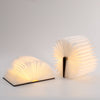
- Books
- Natural objects
This creates an important opportunity for home décor brands.
Instead of asking, “How can we make another lamp?”, designers can ask:
“What decorative object could become a source of light?”
That shift can lead to much more distinctive products.

3. Natural Materials and Tactile Textures
Natural-looking materials continue to work well with warm and comfortable interiors.
Popular directions include:
- Wood
- Paper
- Fabric
- Bamboo
- Cork
- Stone-inspired finishes
- Natural fibers
Texture is particularly important because decorative lighting is experienced visually even when the light is switched off.
A lamp with an interesting surface, folding structure, or layered material can therefore function as décor throughout the day.
4. Portable and Rechargeable Lamps
Cordless lighting is another important direction.
Rechargeable lamps allow consumers to move lighting between different areas of the home without worrying about power outlets.
They can be used for:
- Dining
- Balconies
- Bedrooms
- Outdoor gatherings
- Reading
- Travel
- Temporary decoration
For retailers, portable lamps can also be easier to merchandise because consumers immediately understand their practical value.
5. Organic Shapes Are Replacing Rigid Forms
Many contemporary interiors are moving toward softer visual language.
Instead of only straight lines and sharp geometric forms, decorative products increasingly use:
- Curved silhouettes
- Rounded edges
- Natural asymmetry
- Flower-inspired shapes
- Wave-like forms
- Layered structures
Lighting is particularly effective for this trend because light can emphasize curves, folds, layers, and shadows.

6. Multifunctional Decorative Lighting
Consumers often appreciate products that do more than one thing.
A decorative lamp might also function as:
- A night light
- A reading light
- A desk accessory
- A decorative sculpture
- A portable light
- A seasonal decoration
- A collectible
Multifunctionality can make a product easier to justify at a higher retail price.
The strongest concept is often not “a lamp with extra features,” but a product where the lighting function naturally complements the decorative function.
7. Artistic and Artwork-Based Lighting
One of the most interesting opportunities is the combination of art and lighting.
Artwork can be incorporated through:
- Printed illustrations
- Famous artworks
- Photography
- Graphic patterns
- Artist collaborations
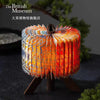
- Museum collections
- Cultural illustrations
- Limited-edition designs
This creates a product category between home décor, art merchandise, and lighting.
For museums, galleries, publishers, and art brands, lighting can also provide another way to turn existing artwork into a functional product.
8. Nature-Inspired Lighting
Nature continues to provide strong design inspiration.
Examples include lighting inspired by:
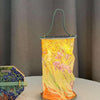
- Flowers
- Trees
- Leaves
- Mountains
- Clouds
- Animals
- Birds
- Forests
- Natural landscapes
Nature-inspired lighting works particularly well because it combines decoration with emotional associations such as calmness, warmth, and relaxation.
For retailers, nature also provides a broad design system that can support an entire collection rather than just one product.
9. Small Decorative Lamps With Strong Visual Impact
Large statement lighting has always had a place in interior design, but smaller decorative lamps can be more accessible to consumers.
Small lamps are attractive because they:
- Require less space
- Are easier to ship
- Work well on shelves and tables
- Can be purchased as gifts
- Encourage impulse purchases
- Allow consumers to collect multiple designs
For retail stores, this makes small decorative lighting particularly interesting.
A compact product with strong visual identity can occupy little shelf space while still attracting attention.
10. Personalized and Storytelling Lighting
Consumers increasingly want products that feel connected to their identity, memories, interests, or places they love.
This opens opportunities for:
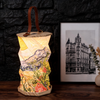
- City and landmark designs
- Local culture
- Seasonal collections
- Artist collaborations
- Family-themed products
- Personalized patterns
- Museum artwork
- Travel memories
- Brand collaborations
The product becomes more than a light source.
It becomes a story that happens to light up.
What Decorative Lighting Trends Matter Most to Retailers?
Retailers do not need to follow every design trend.
The strongest products usually combine several trends at the same time.
For example, a single product could combine:
Warm Light + Natural Material + Artistic Design + Portable Function
Another could combine:
Local Culture + Artwork + Collectibility + Decorative Function
This is often more commercially interesting than simply creating a lamp that follows one trend.
How Can Brands Turn Lighting Trends Into Products?
Start with the consumer rather than the technology.
Ask:
- Where will the product be used?
- What interior style does it fit?
- What makes it visually different?
- Can the design tell a story?
- Can the product be personalized?
- Is it easy to display and ship?
- Would customers want it even when the light is turned off?
That final question is particularly important.
If the answer is yes, the product has successfully crossed from lighting into home décor.
What Decorative Lighting Has the Strongest Retail Potential?
For retail and home décor brands, products with strong potential often share five characteristics:
Visually distinctive — easy to notice on a shelf or online.
Easy to understand — consumers immediately understand what the product does.
Decorative — attractive even when not illuminated.
Giftable — suitable for birthdays, holidays, housewarmings, and other occasions.
Customizable — capable of supporting artwork, themes, colors, local culture, or collaborations.
This combination can create products with a much broader market than conventional functional lighting.
Expert Tip
Don't start by asking:
“What kind of lamp should we manufacture?”
Start with:
“What object, artwork, story, or design would people love to see illuminated in their home?”
That question can lead to much more original product concepts.
Key Takeaway
The future of decorative lighting is not simply about brighter or smarter lamps.
It is about making lighting more beautiful, personal, artistic, functional, and emotionally meaningful.
The strongest opportunities sit at the intersection of:
Lighting + Home Décor + Art + Function + Storytelling
For retailers and brands, this creates opportunities to develop lighting collections around artwork, nature, culture, travel, architecture, seasonal themes, and artist collaborations.
Related Articles
- Home Décor Trends 2027
- What Are the Best Home Accessories?
- Best Home Décor Gifts
- Art Inspired Gifts
- Landmark Souvenirs
- What Are the Best Tourist Souvenirs?
- Museum Retail Trends
- Best Products for Museum Shops
About the Author
Kairos is Export Director at DECO, working with international retailers, cultural brands, art-related businesses, and product developers on customized cultural and creative product development.
About DECO
DECO develops customizable cultural and creative products for international markets, with a focus on decorative lighting and artwork-based product development.
The company works with brands and retailers to develop products around artwork, nature, travel, architecture, cultural themes, seasonal designs, and artist collaborations—combining visual design with everyday functionality.
For more information, visit DECO.