How to Create Exclusive Products for Artist Collaborations
How to Create Exclusive Products for Artist Collaborations


Introduction
Artist collaborations offer brands and retailers an opportunity to create products that are more distinctive than standard mass-market merchandise.
By working with illustrators, painters, photographers, designers, and other creative professionals, companies can introduce original artwork into product collections and connect with consumers through unique visual experiences.
For art publishers and licensing companies, artist collaborations can also create new commercial opportunities from existing artist portfolios. Instead of limiting artwork to books, prints, calendars, or puzzles, businesses can explore additional product categories such as home décor, lifestyle products, and decorative lighting.
However, a successful artist collaboration requires more than placing an artist's signature on an existing product. The artwork, product format, target audience, manufacturing process, and commercial arrangement all need to work together.
This article explains how to develop exclusive products through artist collaborations, from selecting the right artwork to manufacturing and launching the finished collection.
1. Start with the Right Artist and Artwork
The foundation of an artist collaboration is selecting artwork that fits the intended product and target market.
Different artists have different creative styles, audiences, and areas of expertise. Some specialize in botanical illustrations, while others focus on abstract art, landscapes, wildlife, contemporary graphics, or character design.
Before developing a product, consider the following:
The artist's visual identity
The artwork should have a recognizable style that can be translated into a physical product.
The target audience
Consider whether the artist's existing audience overlaps with the consumers you want to reach.
The commercial potential
Some artwork may be especially suitable for home décor, while other designs may work better for stationery, lifestyle products, or collectible merchandise.
The size and structure of the artwork portfolio
Artists with multiple related designs may offer more opportunities for developing coordinated product collections.
For example, an illustrator with a collection of botanical drawings may be a suitable partner for developing a series of decorative home products featuring flowers, leaves, and plants.
An artist specializing in architectural illustrations may be more suitable for products featuring cityscapes and recognizable landmarks.
The objective is to find artwork that can become an integral part of the product rather than simply an additional printed decoration.

2. Choose Products That Complement the Artist's Style
Once the artwork has been selected, the next step is choosing a product category that complements the artist's creative identity.
The product should enhance the artwork and give consumers a meaningful way to experience it.
For example:
Botanical and nature-inspired artwork
May be suitable for home décor, decorative accessories, and lighting products.
Abstract and geometric artwork
Can work well on contemporary decorative products and modern interior accessories.
Fine art and painting collections
May be suitable for premium home décor products and museum retail collections.
Character and illustration artwork
Can be developed into themed products, collectibles, and lifestyle merchandise.
City and architectural illustrations
May be suitable for tourism retail, museum shops, and location-inspired product collections.
Explore Product Formats Beyond Traditional Prints
Many artist collaborations focus on familiar products such as posters, stationery, notebooks, and puzzles.
However, artwork can also be developed into decorative products that offer a different consumer experience.
Decorative lighting is one example.
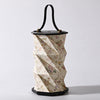
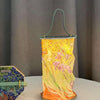
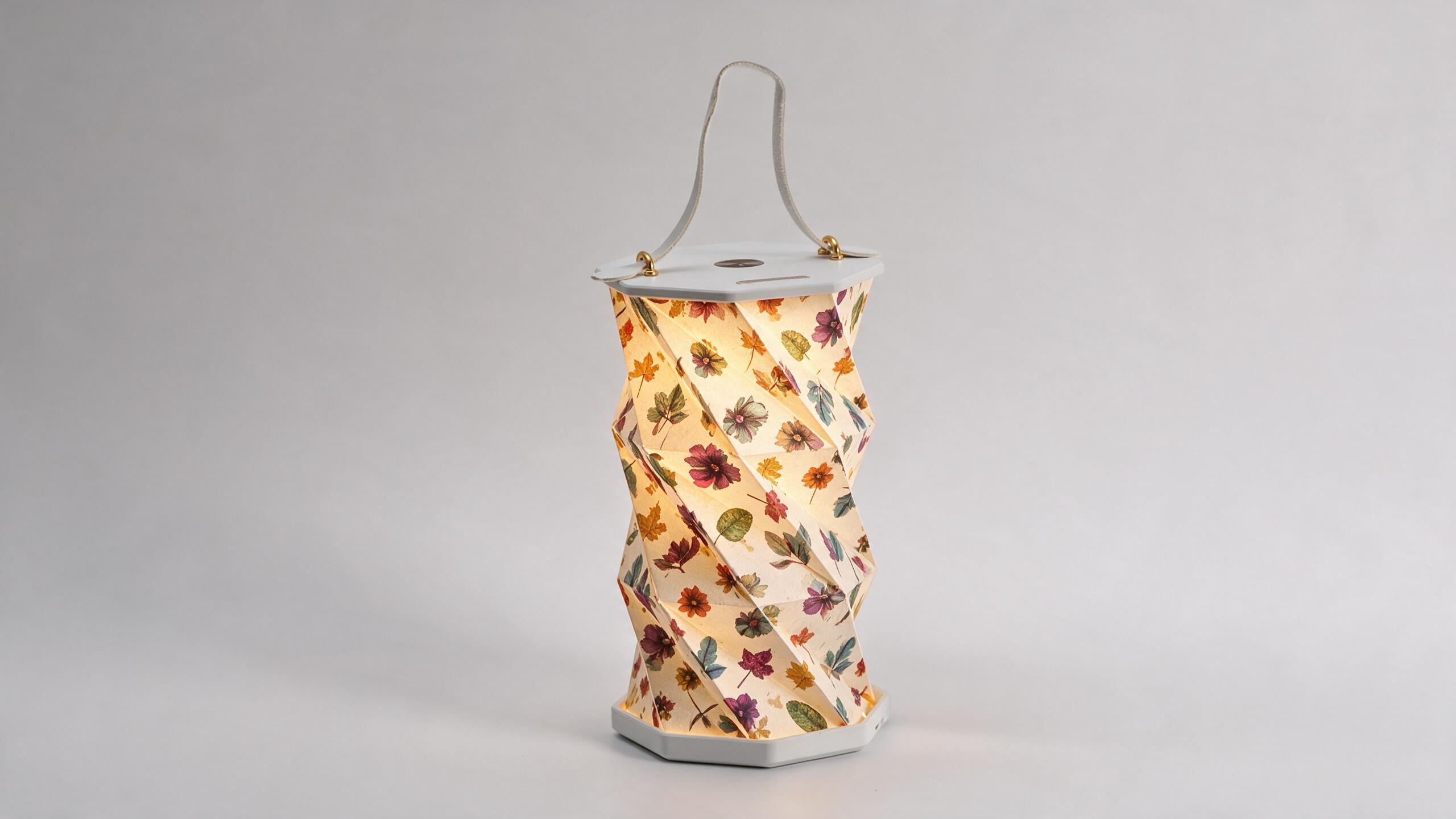
A book-style folding lamp can feature an artist's illustrations on its inner pages. When opened vertically and illuminated, the artwork becomes part of the lamp's visual presentation.
This allows an artist's work to move beyond a conventional flat print and become part of a functional decorative object.

The right product format depends on the artwork, the artist's identity, the intended retail positioning, and the expectations of the target consumers.
3. Develop a Distinctive Product Concept
An exclusive collaboration should have a clear concept that connects the artist's creative work with the final product.
Simply printing the same artwork onto an existing product may not be enough to make a collaboration feel distinctive.
Instead, consider how the artist's visual identity can influence the entire product presentation.
A strong product concept may include:
-
A specific theme based on the artist's work.
-
A coordinated selection of artwork.
-
Product colors that complement the illustrations.
-
Custom packaging featuring the artist's visual identity.
-
A consistent collection name and visual presentation.
-
A short story introducing the artist and the inspiration behind the collection.
For example, a collaboration with a botanical illustrator could become a collection inspired by gardens and seasonal flowers.
Rather than developing only one design, the company could select several related illustrations and apply them to a coordinated range of decorative products.
The artist's name, creative background, and inspiration can also be incorporated into product storytelling, subject to the agreed collaboration terms.
This helps consumers understand the creative value behind the product.


4. Adapt Artwork for Manufacturing
An artist's original artwork is usually created for a particular medium, such as canvas, paper, digital illustration, or photography.
When adapting it to a physical product, the design may need technical adjustments.
This is particularly important for products with specific dimensions, curved surfaces, folds, or multiple printing areas.
Several factors should be considered.
Artwork dimensions and proportions
The original artwork may need to be resized or adjusted to fit the product's printable area.
Important visual elements
Key characters, subjects, or details should remain visible and should not be lost during cropping or layout adjustments.
Color reproduction
Different materials and printing processes can affect the final colors. Physical samples should be reviewed before production.
Product structure
Folds, edges, joints, and other structural details may influence how the artwork appears on the finished product.
Consistency across designs
If several artworks are used in one collection, the layouts should maintain a consistent visual standard.
For book-style folding lamps, for example, the artwork must be arranged according to the dimensions and layout of the inner pages.
The manufacturer should review the artwork before printing to identify any potential issues.

5. Work with the Artist on Product and Packaging Details
Exclusive artist collaborations should reflect the artist's creative identity throughout the product experience.
Packaging is an important part of this process.
A well-designed package can introduce the artist, explain the inspiration behind the artwork, and make the product feel like part of a coordinated collection.
Depending on the project, customization may include:
Product artwork
Using selected illustrations, paintings, or graphic designs on the product.
Artist identification
Including the artist's name, signature, or approved logo.
Packaging design
Developing a customized box that reflects the artist's visual style.
Story cards
Adding information about the artist, artwork collection, or creative inspiration.
Collection presentation
Using consistent colors, typography, and design elements across multiple products.
For example, a decorative lamp featuring a botanical illustration could be packaged in a box with matching floral artwork and a short introduction to the artist.
This gives consumers more context about the collaboration and helps retailers present the collection more effectively.
All artist names, signatures, biographies, and artwork usage should be approved by the relevant rights holders before production.

6. Develop Samples and Obtain Artist Approval
Before moving into mass production, the product should go through a sampling and approval process.
This stage allows the artist, brand, publisher, or licensing company to review how the original artwork appears on the finished product.
A typical development process includes:
-
Artwork selection: The artist and project team confirm the designs for the collaboration.
-
Product selection: The suitable product format is selected.
-
Artwork adaptation: The manufacturer adjusts the artwork according to product dimensions and printing requirements.
-
Sample production: A physical sample is developed.
-
Creative review: The artist or authorized representative reviews the appearance and design.
-
Technical inspection: The product structure, materials, printing, and functionality are checked.
-
Final approval: The approved sample becomes the reference for mass production.
It is important to define the approval process at the beginning of the project.
For example, determine whether final approval comes from the artist, the publisher, the licensing agent, or the brand managing the collaboration.
This helps avoid unnecessary revisions and delays.

7. Plan the Commercial and Licensing Arrangement
Creative collaboration also needs a clear commercial structure.
Before production, the participating parties should agree on how the collaboration will operate.
Important considerations include:
Artwork licensing rights
Confirm which products, territories, sales channels, and time periods are covered by the agreement.
Exclusivity
Determine whether the product or artwork is exclusive to a particular retailer, brand, market, or collection.
Artist compensation
Agree on the commercial arrangement between the artist and the company, such as a licensing fee, royalty, fixed payment, or another agreed structure.
Production quantity
Confirm the initial order quantity and whether additional production requires further approval.
Marketing and promotion
Clarify whether the artist's name, image, biography, and collaboration story can be used in promotional materials.
Ownership and confidentiality
Define ownership of original artwork, newly developed designs, product-specific artwork layouts, and confidential project materials.
The exact terms will depend on the relationship between the artist, publisher, licensing company, brand, and manufacturer.
Manufacturers should receive clear written instructions regarding authorized artwork use and production quantities.
A well-defined arrangement protects the interests of all parties and makes future collaboration easier.
8. Consider Retail Presentation and Collection Potential
A successful artist collaboration should be designed with the final sales environment in mind.
Different retail channels may require different product presentations.
Art and museum shops
Products can be connected to an artist, exhibition, collection, or cultural theme.
Home décor retailers
Artwork can be presented as part of a broader decorative collection designed for interior spaces.
Bookstores and art publishers
Products can complement illustrated books, art publications, and artist collections.
Specialty retailers
Exclusive designs can help create differentiated product selections.
For retailers, a coordinated collection may be more attractive than a single standalone product.
For example, an art publisher could introduce several designs from one artist's portfolio, allowing consumers to choose their preferred artwork while maintaining a consistent product format.
It is also useful to consider the product's packaging size, display requirements, target retail price, and replenishment potential before finalizing the collection.
9. How DECO Supports Custom Artist Collaboration Projects
DECO is a manufacturer specializing in cultural and creative folding lamps and decorative lighting.
For art publishers, licensing companies, artists, and brands, DECO offers product formats that can be customized with approved artwork and visual designs.
Its product range includes:
Book-Style Folding Lamps
These lamps open vertically from the top and bottom. The inner pages can be customized with artist illustrations, paintings, patterns, and other approved designs.
Rotating Decorative Lamps
These products offer another format for developing artwork-based decorative lighting collections.
Mini Book Lamps
Compact book-style lamps can be considered for selected retail collections and smaller product formats.
Depending on the selected model, customization can include:
-
Artist illustrations and artwork printing.
-
Multiple designs within one collection.
-
Brand logos and visual identity.
-
Custom packaging and labels.
-
Artwork layout and sample development.
-
Mass production based on approved specifications.
DECO works with customers to review the artwork, identify suitable product formats, discuss technical requirements, develop samples, and arrange production.
What Information Should You Prepare?
If you are planning an artist collaboration project, you can start by preparing:
-
A brief introduction to the artist and their creative style.
-
Selected artwork or a portfolio of designs.
-
Your preferred product category or product references.
-
Target consumers and sales channels.
-
Estimated order quantity and number of designs.
-
Packaging and branding requirements.
-
Licensing permissions and artwork approval procedures.
With these details, DECO can review the project and discuss suitable product formats, customization options, MOQ, pricing, sampling, and production arrangements.
Conclusion
Artist collaborations provide an opportunity to transform original creative work into distinctive physical products.
A successful project requires the right artwork, a suitable product format, thoughtful design adaptation, clear licensing arrangements, and reliable manufacturing.
For art publishers and licensing companies with established artist portfolios, decorative lighting can be another way to extend the commercial potential of existing artwork.
By developing products that combine artistic identity with functional design, businesses can create collections that offer consumers something beyond traditional printed merchandise.
DECO welcomes inquiries from artists, art publishers, licensing companies, and brands interested in developing custom decorative folding lamps and creative lighting products.
Have an artist portfolio or artwork collection you would like to develop into physical products? Contact DECO to explore custom decorative lighting possibilities.