Gift Shop Trends
Gift Shop Trends
What Is Changing in Gift Shop Retail?
Gift shops are changing from stores filled with traditional souvenirs into more curated retail spaces.
Customers increasingly want products that are unique, useful, attractive, and connected to a story.
For retailers, this means product selection is becoming less about having the largest range and more about finding products customers genuinely want to take home.

Short Answer
Key gift shop trends include:
- Art-inspired products
- Unique and destination-specific souvenirs
- Personalized products
- Collectible collections
- Creative home décor
- Small and easy-to-carry products
- Local artist collaborations
- Seasonal collections
- Limited-edition products
- Products with strong visual appeal
The overall direction is clear:
Less Generic Merchandise. More Design, Story, and Experience.
1. Art-Inspired Gift Products
Art is becoming an increasingly valuable source of inspiration for gift shop products.
Retailers can develop products featuring:
- Famous artworks
- Local artists
- Illustrations
- Museum collections
- Cultural artwork
Artwork can turn a simple product into something customers want to display and keep.
2. More Unique Souvenirs
Customers can find generic souvenirs almost anywhere.
Gift shops therefore need products with stronger differentiation.
Popular directions include:
- Local landmarks
- City-specific designs
- Cultural symbols
- Regional stories
- Destination artwork
The more distinctive the product feels, the easier it is to give customers a reason to purchase.

3. Personalized Products
Personalization gives customers a stronger emotional connection to a product.
Examples include:
- Names
- Dates
- Locations
- Custom messages
- Personalized artwork
This is particularly suitable for tourist destinations, museums, events, and special occasions.
4. Collectible Collections
Customers may be more interested in products that can become part of a collection.
A retailer can create collections based on:
Cities
Artists
Landmarks
Museums
Animals
Seasonal Themes
Multiple designs also give customers a reason to return to the store.
5. Souvenirs That Become Home Décor
A major opportunity is the combination of:
Souvenir + Lifestyle Product
Instead of buying something that looks like a traditional souvenir, customers can choose products they are happy to use or display at home.
Examples include:
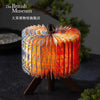
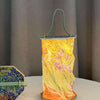
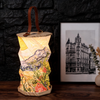
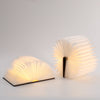
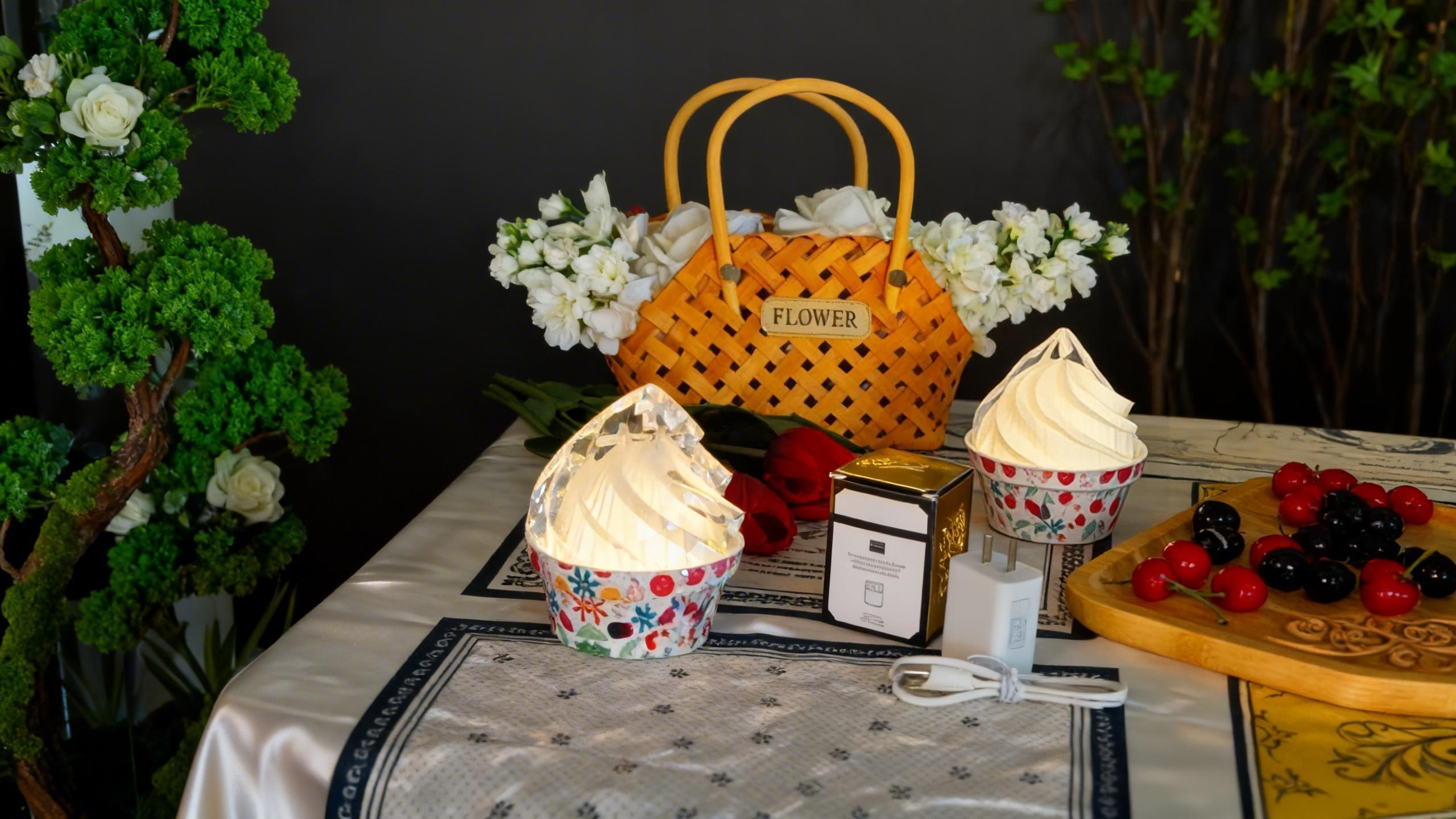
- Decorative lighting
- Art-inspired décor
- Small home accessories
- Creative lifestyle products
This gives the product value long after the customer returns home.
6. Small Products With High Perceived Value
Compact products are particularly useful for gift shops.
They require less:
- Shelf space
- Storage space
- Shipping space
They are also easier for tourists to carry.
However, the product should not feel cheap.
Strong design, packaging, artwork, and storytelling can increase perceived value.

7. Local Artist Collaborations
Artist collaborations can give gift shops exclusive products.
A retailer can work with local creators to develop:
Artist + Destination + Product
This creates merchandise that feels more authentic and difficult for competitors to copy.
8. Seasonal Collections
Gift shops can keep their product selection fresh by introducing seasonal collections.
Examples include:
- Christmas
- Halloween
- Valentine's Day
- Summer
- Local festivals
Changing artwork or packaging can also allow an existing product to be reused across different seasons.
9. Limited Editions
Limited-edition products can create urgency.
They can be connected to:
- Exhibitions
- Anniversaries
- Festivals
- Major events
- Artist collaborations
Customers may be more willing to purchase when they believe the product will not always be available.
10. Products With a “Wow” Factor
Gift shops benefit from products that immediately attract attention.
Examples include products that:
- Light up
- Fold
- Rotate
- Transform
- Reveal artwork
- Have an unexpected function
These products can make customers stop, interact, and talk about what they see.
What Will Make Gift Shop Products Successful?
The strongest products are likely to combine several qualities:
Unique
Not easily found in ordinary stores.
Useful
Customers can continue using them after the trip.
Beautiful
They look good in a home or office.
Personal
They connect with a specific memory or experience.
Collectible
Customers can purchase multiple designs.
Easy to Carry
Especially important for tourists.
Expert Tip
Gift shops should think about product platforms, not just individual products.
For example:
One Core Product
↓
Destination Design
↓
Artist Collection
↓
Museum Collection
↓
Christmas Edition
↓
Limited Edition
This approach makes it easier to introduce new collections while maintaining a proven product format.
Key Takeaway
The future of gift shop retail is moving toward products that are:
More Creative
More Personal
More Useful
More Collectible
More Connected to Local Culture
The strongest gift shop products will not simply tell customers:
“I visited this place.”
They will make customers feel:
“This reminds me of a place and experience I want to keep.”
Related Articles
- Best Products for Gift Shops
- Gift Shop Best Sellers
- Best Souvenir Products
- Tourist Gift Trends
- Small Gift Shop Product Ideas
- Gift Shop Buying Guide
- Gift Shop Display Ideas
- How to Increase Gift Shop Sales
About the Author
This article was written by professionals with experience in product development, retail, wholesale, souvenir products, and creative consumer products. The team works with gift shops, museum stores, tourist attractions, retailers, distributors, and product buyers to develop products with strong design and retail potential.
About DECO
DECO is a creative product manufacturer specializing in customized decorative lighting, folding lamps, art-inspired products, and creative retail merchandise.
Through OEM/ODM manufacturing, DECO supports custom artwork, destination designs, artist collaborations, cultural themes, seasonal collections, exclusive products, and retail-ready packaging for gift shops, museum stores, souvenir shops, tourist attractions, retailers, and wholesalers.