Holiday Retail Trends 2027: 15 Trends Shaping Seasonal Shopping

Holiday Retail Trends 2027: 15 Trends Shaping Seasonal Shopping
Introduction
Holiday shopping continues to be one of the most important periods of the retail calendar.
But seasonal retail is changing.
Customers are not only looking for traditional holiday merchandise. They are increasingly drawn to products that combine design, function, personalization, storytelling, collectibility, and emotional value.
For retailers, this means a successful holiday assortment does not necessarily need to contain more products.
It needs to contain the right types of products.
So what should retailers pay attention to when planning their 2027 holiday collections?
The following trends highlight product directions that can work across gift shops, home décor stores, lifestyle retailers, department stores, museum shops, tourist stores, and specialty retail.

Short Answer: What Are the Holiday Retail Trends for 2027?
The major holiday retail trends include:
- Experience-driven shopping
- Decorative lighting
- Personalized gifts
- Small and affordable gift products
- Artwork-based products
- Collectible products
- Limited editions
- Seasonal home décor
- Portable and rechargeable products
- Nature-inspired designs
- Cultural and destination products
- Multifunctional products
- Premium-looking affordable gifts
- Artist and brand collaborations
- Longer seasonal selling windows
The common thread is more meaningful products with stronger visual and emotional appeal.
1. Experience-Driven Holiday Retail
Holiday shopping is increasingly about the experience surrounding the product.
Retailers can create stronger seasonal displays through:
- Themed product collections
- Interactive displays
- Giftable demonstrations
- Storytelling
- Seasonal installations
- Product customization
A customer should be able to understand the idea behind a collection quickly when walking past a display.
This makes visual merchandising particularly important during the holiday season.

2. Decorative Lighting as a Gift Category
Lighting is no longer limited to traditional home improvement retail.
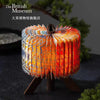
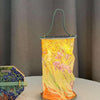
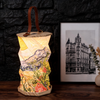
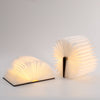
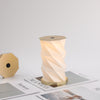
Small decorative lamps can function as both home décor and gifts.
Warm lighting, artistic forms, portable lamps, and seasonal designs can fit naturally into holiday collections.
For retailers, decorative lighting can also create attractive displays because the product itself contributes to the visual atmosphere of the store.
3. Personalized Holiday Gifts
Personalization continues to provide a way to make ordinary products feel more meaningful.
Retailers can explore:
- Names
- Initials
- Family illustrations
- Special dates
- Custom artwork
- Local landmarks
- Personalized messages
Personalization is especially relevant when customers are purchasing gifts for specific people rather than shopping only for themselves.

4. Small & Affordable Gifts
Not every holiday purchase is a major gift.
Small products can capture impulse purchases and lower-price gift occasions.
Examples include:
- Mini decorative lamps
- Small ornaments
- Mini artwork
- Desk accessories
- Small decorative objects
- Collectibles
- Decorative tabletop products
These products are also easier to display near checkout counters and high-traffic areas.
5. Artwork-Based Holiday Products
Artwork can turn ordinary products into something more distinctive.
Retailers can work with:
- Illustrators
- Artists
- Museums
- Cultural institutions
- Licensing companies
- Local creators
Artwork can then be applied to lighting, home décor, stationery, accessories, ornaments, and other retail products.
This creates opportunities for collections that feel more unique than generic holiday merchandise.
6. Collectible Products
Collectibility can encourage customers to purchase multiple designs.
A retailer might create a series based on:
- Animals
- Cities
- Artists
- Landmarks
- Holiday characters
- Nature
- Cultural themes
Instead of one product, customers begin to see a collection.
This can also encourage repeat purchases across different holiday seasons.
7. Limited-Edition Collections
Limited editions can add a sense of exclusivity.
Retailers can develop seasonal products around:
- A specific artist
- A destination
- A holiday
- A cultural event
- A special collaboration
- A particular year
The important point is to give the collection a clear reason to exist.
A limited edition should feel like a distinct product story rather than simply a standard product with a different color.
8. Seasonal Home Décor
Holiday shopping increasingly overlaps with home decoration.
Customers may purchase seasonal products not only as gifts but also to refresh their own homes.
Relevant categories include:
- Decorative lighting
- Table décor
- Small sculptures
- Vases
- Artwork
- Decorative objects
- Seasonal accessories
This allows retailers to combine their gift and home décor categories during the holiday season.
9. Portable & Rechargeable Products
Portable products fit modern lifestyles and can offer additional value as gifts.
Rechargeable lamps and other portable decorative products can be used in:
- Bedrooms
- Dining rooms
- Balconies
- Outdoor areas
- Travel
- Home offices
For retailers, portability also makes products easier to demonstrate and merchandise.
10. Nature-Inspired Holiday Designs
Holiday design does not always need to use traditional symbols.
Natural elements can create a more contemporary seasonal feeling:
- Forests
- Branches
- Leaves
- Animals
- Stars
- Botanical patterns
- Natural textures
This approach can work especially well for retailers whose customers prefer modern or minimalist interiors.
11. Cultural & Destination-Inspired Gifts
Holiday shopping is not limited to traditional gift stores.
Museum shops, tourist stores, bookstores, airports, national parks, and destination retailers can create seasonal collections based on local culture and place.
Possible themes include:
- City landmarks
- Historical architecture
- Local artwork
- Regional stories
- National symbols
- Famous destinations
These products can combine the appeal of a holiday gift with the value of a souvenir.
12. Multifunctional Products
Products with more than one purpose can offer stronger everyday value.
For example:
Decorative + functional
Gift + home décor
Souvenir + collectible
Lighting + artwork
Portable + decorative
This approach is particularly useful for retailers trying to offer products that remain relevant after the holiday season.
13. Premium-Looking Affordable Gifts
Customers do not necessarily need expensive products to perceive value.
Design, packaging, materials, presentation, and product experience can all influence perceived value.
A relatively compact product can feel premium when it has:
- Strong visual design
- Good packaging
- Interesting materials
- A clear product story
- High-quality printing
- Attractive presentation
This is especially relevant for small holiday gifts and impulse purchases.
14. Artist, Brand & IP Collaborations
Collaborations can give holiday collections a stronger identity.
Retailers can work with:
- Artists
- Designers
- Museums
- Cultural organizations
- Entertainment brands
- Local creators
- Licensing partners
The same licensed artwork can potentially be developed across multiple products, creating a cohesive collection instead of a collection of unrelated items.
15. Longer Seasonal Selling Windows
Holiday retail is not necessarily limited to the few weeks immediately before Christmas.
Consumers often begin shopping earlier, while seasonal products can continue selling into the post-holiday winter period.
This creates an opportunity for retailers to design products around broader themes such as:
Holiday → Winter → Cozy Home → New Year
Instead of creating products that become irrelevant immediately after one specific holiday.
What Makes a Good Holiday Retail Product?
When evaluating a new seasonal product, retailers can consider five simple questions:
1. Is it visually attractive?
Can customers understand its appeal quickly?
2. Is it giftable?
Does it work for someone other than the person buying it?
3. Does it have a story?
Is there something distinctive about the artwork, design, destination, or concept?
4. Is it useful?
Can the customer continue using it after the holiday?
5. Is it easy to merchandise?
Can it be displayed effectively in a seasonal retail environment?
Products that answer several of these questions can fit naturally into a holiday assortment.
How Should Retailers Build a 2027 Holiday Collection?
Rather than choosing products individually, retailers can build collections around a central concept.
For example:
Cozy Holiday
Warm lighting + home décor + soft colors + winter artwork
Artistic Holiday
Artist collaboration + artwork-based products + limited editions + collectibles
Destination Holiday
Landmarks + local artwork + cultural products + souvenirs
Family Holiday
Personalized products + small gifts + collectibles + decorative accessories
Modern Holiday
Minimalist décor + portable lighting + natural materials + contemporary artwork
A collection-based approach makes the assortment easier to merchandise and gives customers a stronger visual story.
Expert Tip: Plan Beyond Christmas
One of the most useful ways to reduce seasonal product risk is to distinguish between holiday-specific products and holiday-compatible products.
A Christmas ornament may have a very short selling window.
A warm decorative lamp featuring winter artwork may be sold as:
Christmas gift → winter home décor → everyday decorative lighting
This gives retailers more flexibility in inventory planning.
The strongest seasonal products often create a holiday feeling without being restricted to a single holiday.
Key Takeaway
Holiday retail trends for 2027 are moving toward products that combine seasonal relevance with lasting value.
Personalization, artwork, decorative lighting, collectibility, cultural storytelling, portability, and multifunctionality can all help retailers create more distinctive holiday assortments.
The opportunity is not simply to sell more seasonal products.
It is to develop products that customers want to give, display, collect, and continue using.
For retailers, that means thinking beyond traditional holiday merchandise and building collections around design, story, function, and emotion.
Related Articles
- Christmas Retail Products 2027: 15 Products Retailers Should Consider for the Holiday Season
- Winter Decoration Trends 2027: 15 Cozy Ideas Shaping Modern Homes
- Autumn Home Decoration 2027: 15 Warm and Stylish Ideas for the Season
- Summer Gift Collection 2027: 15 Fresh Products Retailers Can Explore
- Best Home Décor Products for Retail: 15 Categories Worth Exploring
- Decorative Lighting Trends 2027: 10 Design Trends Shaping What People Want at Home
- Trending Interior Accessories 2027: 15 Home Décor Products to Watch
About the Author
Kairos, Export Director at DECO, works with international retailers, distributors, cultural organizations, and creative brands to develop customizable decorative products and lighting collections for different markets.
About DECO
DECO is a China-based manufacturer specializing in folding cultural & creative lamps and customizable decorative products. Its products can be developed around artwork, seasonal themes, cultural stories, destinations, and retail concepts.
Learn more about DECO.