How Retail Buyers Choose New Products
Retail Buyers Are Not Simply Looking for Interesting Products
Retail buyers see a large number of new products.
A product may look attractive, but that does not automatically mean it will be added to a store or retail collection.
Buyers usually need to consider several questions:
- Will customers buy it?
- Does it fit our store?
- Is the price realistic?
- Can we make a reasonable profit?
- Is it different from what we already sell?
- Can the supplier deliver consistently?
The best products usually make these questions easier to answer.

Short Answer
Retail buyers often evaluate new products based on:
- Customer demand
- Product uniqueness
- Retail price and perceived value
- Profit potential
- Product quality
- Packaging
- Display requirements
- Seasonal relevance
- Supplier reliability
A product does not need to be completely new.
But it usually needs to offer a clear reason for the buyer—and eventually the customer—to choose it.
1. Does the Product Fit the Customer?
The first question is often simple:
“Would our customers buy this?”
A product may perform well in one retail environment but not another.
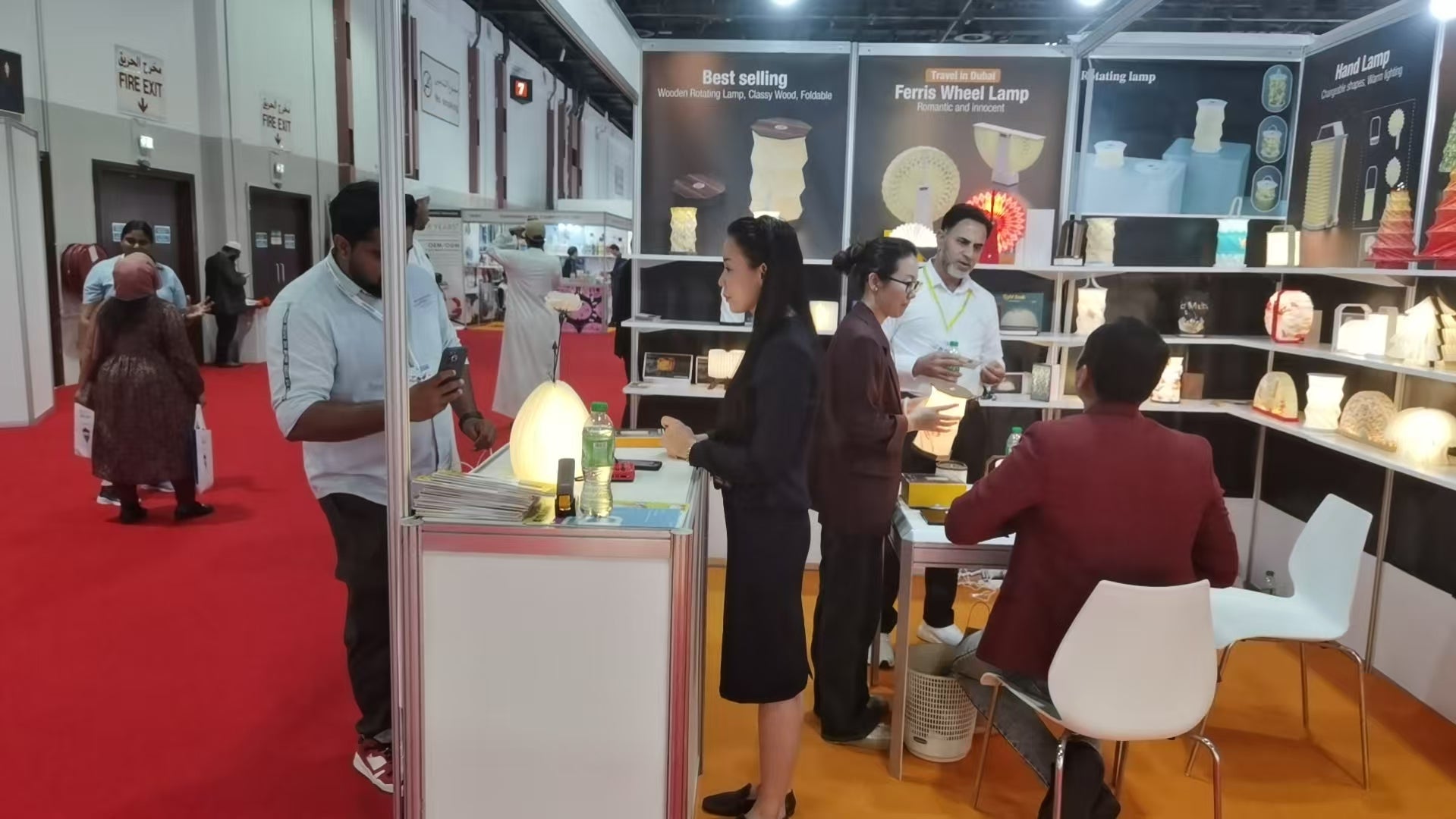
For example, a museum store, lifestyle boutique, souvenir shop, and large supermarket may all have very different customer expectations.
Retail buyers therefore consider:
- Customer age and interests
- Average spending level
- Store positioning
- Existing product categories
- Local market preferences
The best suppliers understand that not every product is suitable for every retailer.

2. Is the Product Different?
Retail buyers usually do not want another version of something they already have.
They look for products with a clear point of difference.
This could come from:
- Original design
- Unique functionality
- Artist collaborations
- Custom artwork
- Cultural themes
- Limited editions
- Interesting materials
Differentiation is important because it can make a product easier to market and harder for competitors to copy or compare directly.
3. Can the Product Make Commercial Sense?
A product needs to work financially.
Retail buyers will consider the relationship between:
Purchase Price → Retail Price → Perceived Value
A low wholesale price alone does not guarantee success.
If customers do not believe the product is worth its retail price, it may still sell slowly.
The strongest products combine a realistic price with strong perceived value.
4. Is There Enough Profit Potential?
Retailers need products that support a healthy business.
When evaluating a new product, buyers may consider:
- Wholesale cost
- Suggested retail price
- Shipping costs
- Packaging costs
- Potential discounts
- Inventory risk
Products that are highly generic may face stronger price competition.
Products with exclusive designs or unique features can sometimes offer better margin opportunities.

5. Is It Easy to Display?
A great product still needs to work inside a real retail environment.
Buyers may consider:
- Product size
- Packaging size
- Shelf space
- Counter display opportunities
- Visual impact
- Storage requirements
Compact products can offer advantages because they are easier to display, store, and restock.
6. Does the Packaging Help Sell the Product?
Packaging is often part of the buying decision.
Good packaging should help customers understand:
- What the product is
- What makes it special
- How it works
- Why it is worth buying
Attractive packaging can also increase perceived value and make a product more suitable for gifting.
7. Can the Product Be Updated?
Retail buyers are often interested in products with long-term potential.
A product platform that supports different designs can create more opportunities.
For example:
One Product
↓
Artist Collection
↓
Holiday Edition
↓
City Collection
↓
Limited Collaboration
This gives retailers a way to introduce newness without changing the entire product category.
8. Is the Supplier Reliable?
The product is only part of the decision.
Retail buyers also evaluate the supplier.
They may consider:
- Product quality
- Production capacity
- Communication
- Lead times
- Documentation
- Compliance requirements
- Packaging consistency
- Ability to support customization
A good product can lose its value if the supplier cannot deliver consistently.
9. Can the Supplier Help Reduce Risk?
Introducing a new product always involves some uncertainty.
Retail buyers may be more comfortable working with suppliers that can provide:
- Clear product information
- Samples
- Quality documentation
- Retail packaging support
- Product images and videos
- Customization options
- Previous market examples
The easier a supplier makes the buying process, the easier it may be for a buyer to introduce a new product.
What Can Suppliers Do to Improve Their Chances?
When presenting a product to a retail buyer, don't only say:
“We have a new product.”
Instead, explain:
Why Will Customers Notice It?
Highlight the visual or functional difference.
Why Does It Fit the Retailer's Market?
Connect the product to the retailer's customers and product category.
Why Can It Generate Sales?
Explain giftability, seasonality, collectibility, or repeat purchase opportunities.
Why Is It Commercially Attractive?
Help the buyer understand the product's perceived value and positioning.
Why Is the Product Easy to Manage?
Show packaging, display, logistics, and customization advantages.
Expert Tip
Retail buyers are not only buying a product.
They are also buying the confidence to put that product on their shelves.
The easier you make it for a buyer to understand:
Who Will Buy It + Why They Will Buy It + How It Can Be Sold
the stronger your product presentation becomes.
Key Takeaway
Retail buyers choose new products by looking at both consumer appeal and commercial practicality.
A successful product usually offers:
Customer Demand
Differentiation
Strong Perceived Value
Profit Potential
Retail-Friendly Packaging
Reliable Supply
For suppliers and brands, the goal should not simply be to create an interesting product.
The goal is to make it easy for a retail buyer to say:
“I can see how this would work in our store.”
Related Articles
- Best Products for Independent Retailers
- What Makes a Retail Product Successful?
- Retail Products Customers Actually Buy
- Fast-Moving Retail Products
- What Products Have High Profit Margins?
- What Products Are Easy to Display?
- Retail Product Trends
About the Author
This article was written by professionals with experience in product development, retail, wholesale, and international manufacturing. The team works with retailers, distributors, brands, and product buyers to develop and source creative consumer products for different retail markets.
About DECO
DECO is a creative product manufacturer specializing in customized decorative lighting, folding lamps, lifestyle products, and creative retail merchandise.
Through OEM/ODM manufacturing, DECO supports custom artwork, seasonal designs, artist collaborations, cultural themes, exclusive collections, retail-ready packaging, and product development for retailers, wholesalers, art brands, museum stores, souvenir shops, and lifestyle companies.