Turning Famous Places into Products Visitors Want to Take Home
Landmark Souvenirs
Turning Famous Places into Products Visitors Want to Take Home
Famous landmarks are among the strongest sources of inspiration for destination souvenirs.
A landmark can represent an entire city, country, culture, or travel experience. The Eiffel Tower, Statue of Liberty, Big Ben, Taj Mahal, Sydney Opera House, and other iconic destinations are instantly recognizable and can become powerful visual elements in retail products.
But a successful landmark souvenir should be more than a miniature replica or a product with a logo printed on it.
The strongest products transform a landmark into something people can use, display, collect, or give as a meaningful gift.

Short Answer
Some of the best landmark souvenir categories include:
- Landmark artwork and prints
- Miniature replicas
- Decorative home décor
- Decorative lighting
- Illustrated maps
- Collectibles
- Jewelry and accessories
- Stationery
- Travel accessories
- Educational products
- Personalized souvenirs
- Landmark-exclusive merchandise
The strongest landmark souvenirs combine:
Place + Recognition + Story + Design + Function
1. Landmark Miniatures and Replicas
Miniature replicas are one of the most recognizable types of landmark souvenirs.
They can represent:
- Famous buildings
- Monuments
- Bridges
- Towers
- Statues
- Historical structures
A miniature gives visitors a physical representation of a place they have visited.
However, traditional replicas can sometimes feel repetitive.
Modern product design can reinterpret the landmark through a more contemporary style, making it suitable for modern homes and collectors.

2. Landmark-Inspired Home Décor
A landmark can become a decorative element rather than simply a souvenir.
Possible products include:
- Decorative objects
- Wall décor
- Sculptural pieces
- Tabletop accessories
- Ornaments
- Home accessories
For example, the silhouette of a famous building could become a minimalist decorative object.
This approach allows the product to remain attractive even to someone who appreciates the design but is not specifically looking for a souvenir.
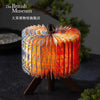
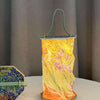
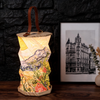
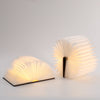
3. Decorative Lighting
Lighting creates an especially interesting opportunity for landmark merchandise.
A famous building, skyline, bridge, or architectural detail can inspire a decorative lamp.
For example, a product could incorporate:
- A landmark silhouette
- Architectural patterns
- City skylines
- Famous street scenes
- Destination artwork
This creates:
Landmark + Lighting + Home Décor + Function
A visitor can then take the memory of a destination into their home rather than simply placing a souvenir on a shelf.

4. Landmark Artwork and Prints
Artwork provides a simple and flexible way to represent famous destinations.
Popular formats include:
- Travel posters
- Landmark illustrations
- Photography
- City skylines
- Architectural drawings
- Vintage-style artwork
- Watercolor illustrations
Different artistic styles can also create different market positions.
A landmark can be represented through:
Minimalist Design + Vintage Style + Contemporary Illustration + Fine Art
This makes the same destination suitable for different customer groups.
5. Illustrated Maps
Maps combine place, geography, and storytelling.
A destination map can highlight:
- Famous landmarks
- Streets
- Neighborhoods
- Historical locations
- Tourist attractions
- Local cultural symbols
Maps can become:
- Wall art
- Posters
- Notebooks
- Decorative products
- Travel accessories
They are particularly useful for visitors who want to remember not just one landmark, but the entire destination.
6. Landmark Collectibles
Collectibles can turn destination souvenirs into a long-term purchasing opportunity.
A retailer could create a series featuring:
- Different landmarks
- Different cities
- Different countries
- Famous architectural styles
For example:
One Product Format + Multiple Landmarks = Collectible Collection
Travelers who enjoy collecting souvenirs may purchase a new design every time they visit another destination.
7. Jewelry and Accessories
Landmarks can also become wearable souvenirs.
Potential products include:
- Landmark necklaces
- Earrings
- Bracelets
- Pins
- Scarves
- Bags
- Key accessories
The best designs usually use a recognizable shape, symbol, or architectural detail rather than simply reproducing a photograph.
This makes the product more subtle and suitable for everyday use.
8. Stationery and Small Souvenirs
Small products remain important for tourist retail because they are easy to carry and accessible to a wide range of visitors.
Examples include:
- Notebooks
- Journals
- Bookmarks
- Postcards
- Greeting cards
- Calendars
- Pens
These products can feature landmark illustrations, city maps, or destination artwork.
They also work well as affordable gifts for friends and family.
9. Educational Landmark Products
Landmarks have strong educational value.
Products can explain:
- When the landmark was built
- Who designed it
- Its historical significance
- Its architectural style
- Important events connected to it
This information can be incorporated into:
- Books
- Puzzles
- Children's products
- Building kits
- Activity sets
This makes the souvenir both entertaining and educational.
10. Personalized Landmark Souvenirs
Personalization can make a destination product much more memorable.
Examples include:
- Visitor names
- Travel dates
- City names
- Special messages
- Custom illustrations
For example:
“New York — Summer 2026”
can transform a generic landmark product into a personal travel memory.
11. Landmark-Themed Sustainable Products
Destination retailers can also develop souvenirs using materials and designs intended for longer-term use.
Potential directions include:
- Reusable products
- Paper-based products
- Durable home décor
- Reduced packaging
- Responsible material choices
The goal is not simply to label a product “sustainable.”
A stronger approach is to create a product that visitors will continue using long after their trip.
12. Landmark-Exclusive Products
Perhaps the most valuable landmark souvenirs are products that visitors cannot easily find elsewhere.
An attraction, museum, airport retailer, or destination store can develop exclusive merchandise around:
- A specific landmark
- A city
- A historical building
- A local artist
- A destination story
- A special anniversary
Exclusivity gives visitors a stronger reason to purchase the product during their trip.
What Makes a Good Landmark Souvenir?
Before developing a landmark product, retailers should ask several questions.
Is the Landmark Immediately Recognizable?
The customer should quickly understand what place the product represents.
Does It Have a Strong Design?
A good souvenir should look attractive rather than simply commercial.
Does It Have a Story?
The product should communicate something about the landmark or destination.
Is It Useful or Displayable?
Products with practical or decorative value are more likely to be kept.
Is It Easy to Take Home?
Tourists generally prefer products that are lightweight, compact, and easy to pack.
Is It Exclusive?
A destination-specific product has stronger appeal when visitors cannot easily find the same item elsewhere.
From Landmark to Product
One of the most useful ways to develop landmark merchandise is to move through several layers:
Landmark
↓
Silhouette / Architecture / Pattern / Story
↓
Creative Interpretation
↓
Product Design
↓
Destination Collection
For example, the shape of a famous building could inspire a decorative object.
A city skyline could become a lighting design.
A landmark illustration could become a stationery collection.
A historical building's architectural details could inspire a home décor series.
This creates a much stronger product concept than simply printing a photograph onto an existing item.
Expert Tip
Don't start with:
“How can we put the landmark on a product?”
Start with:
“What makes this landmark visually or emotionally memorable?”
It might be:
- Its silhouette
- Its architecture
- Its history
- Its colors
- Its surrounding landscape
- Its cultural meaning
Those elements can then become the foundation for an original product.
The best landmark souvenirs often feel like contemporary design products first and tourist souvenirs second.
Key Takeaway
Landmark souvenirs give destination retailers an opportunity to turn famous places into products with lasting value.
The strongest categories include:
- Miniature replicas
- Home décor
- Decorative lighting
- Artwork and prints
- Maps
- Collectibles
- Jewelry
- Stationery
- Educational products
- Personalized souvenirs
The most successful products combine:
Landmark + Story + Design + Function
A great landmark souvenir does not simply tell someone where they went.
It helps them remember the place and continue experiencing it after they return home.
Related Articles
- Best Tourist Souvenirs
- National Park Gift Ideas
- Cultural Gift Products
- Best Art Museum Gifts
- Best History Museum Gifts
- Best Products for Museum Shops
- Tourist Gift Trends
- Best Travel Gifts
- Best Souvenir Products
- How to Develop Destination Products
About the Author
This article was written by professionals with experience in destination retail, cultural merchandise, creative product development, and international OEM/ODM manufacturing. The team focuses on helping retailers, tourist attractions, cultural institutions, and creative brands turn destinations and cultural stories into commercially viable products.
About DECO
DECO is a creative product manufacturer specializing in customized decorative lighting, folding lamps, cultural merchandise, and art-inspired lifestyle products.
Through OEM/ODM manufacturing, DECO supports destination retailers, tourist attractions, museums, cultural institutions, and creative brands with landmark-inspired designs, custom artwork, destination collections, exclusive product development, and retail-ready packaging.
DECO helps transform landmarks, architecture, destinations, and cultural stories into products visitors want to take home.