Museum Collection Products: 15 Creative Ideas for Museum Retail

Museum Collection Products: 15 Creative Ideas for Museum Retail
Introduction
A museum collection contains far more commercial potential than traditional souvenirs.
Paintings, sculptures, historical objects, manuscripts, decorative arts, architecture, photography, and cultural artifacts can all provide inspiration for products that allow visitors to take part of the museum experience home.
The challenge is choosing products that respect the original collection while also fitting modern consumer lifestyles.
For museum stores, publishers, cultural institutions, and licensing partners, the strongest museum collection products often combine three elements: recognizable cultural content, attractive design, and everyday usefulness.

What Are Museum Collection Products?
Museum collection products are retail products developed around a museum's collection, exhibitions, artists, cultural heritage, or visual identity.
They can include traditional souvenirs, but the category has expanded significantly.
Modern museum retail can include:
- Home décor
- Decorative lighting
- Art prints
- Stationery
- Books
- Collectibles
- Fashion accessories
- Tabletop products
- Children's products
- Lifestyle products
- Limited editions
The goal is not simply to reproduce an artwork. It is to translate cultural content into a product that people genuinely want to own.

1. Artwork-Inspired Decorative Lighting
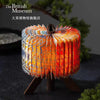
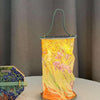
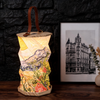
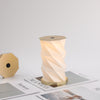
Lighting provides an interesting way to transform two-dimensional museum artwork into a functional object.
Paintings, illustrations, patterns, and historical visual elements can be adapted to decorative lamps, portable lights, and other ambient lighting products.
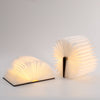
A folding lamp, for example, can combine artwork with a three-dimensional opening experience, allowing the product to function as both lighting and home décor.
For museum stores, this can create a more distinctive alternative to conventional printed souvenirs.
2. Art Prints and Posters
Art prints remain one of the most recognizable museum retail categories.
Depending on the collection, museums can offer:
- Fine-art prints
- Exhibition posters
- Reproductions
- Detail studies
- Photography
- Illustrated posters
- Architecture prints
Different sizes and price points can make the category accessible to a broad range of visitors.
3. Art Books and Exhibition Publications
Books are a natural extension of a museum collection.
Possible products include:
- Exhibition catalogs
- Artist monographs
- Collection books
- Art history books
- Photography books
- Children's art books
- Architecture publications
These products also allow museums to provide deeper educational context around the collection.

4. Museum-Inspired Home Décor
Museum collections can be translated into products designed for the home.
Examples include:
- Decorative objects
- Vases
- Trays
- Mirrors
- Cushions
- Wall décor
- Sculptural accessories
- Decorative boxes
Rather than reproducing an artwork literally, designers can also extract its colors, shapes, patterns, or visual language.
5. Art-Inspired Tabletop Products
Tabletop products can turn collection content into objects used every day.
Potential categories include:
- Trays
- Coasters
- Plates
- Mugs
- Bowls
- Table accessories
- Serving products
These products are particularly suitable when the museum has decorative arts, ceramics, botanical collections, or historical design collections.
6. Museum Stationery
Stationery remains an accessible entry point into museum retail.
Products can include:
- Notebooks
- Journals
- Sketchbooks
- Greeting cards
- Postcards
- Calendars
- Pencils
- Bookmarks
Stationery is also useful for customers who want a small, affordable reminder of an exhibition or museum visit.
7. Museum Puzzles
Puzzles can transform a collection into an interactive experience.
Famous paintings, architectural details, historical scenes, and illustrations can all work well as puzzle imagery.
For museums with strong family audiences, puzzles can also connect cultural education with entertainment.
8. Museum Collectibles
Collectors often look for products that feel more special than standard souvenirs.
Examples include:
- Miniature sculptures
- Figurines
- Decorative objects
- Exhibition collectibles
- Artist collaboration pieces
- Numbered editions
- Limited-edition products
Packaging and storytelling can play an important role in making a collectible feel connected to the museum collection.
9. Sculpture-Inspired Products
Sculpture collections offer opportunities beyond two-dimensional printing.
A sculpture can inspire:
- Small replicas
- Decorative objects
- Desk accessories
- Figurines
- Jewelry
- Sculptural lighting
- Contemporary interpretations
The product does not always need to be an exact miniature. Designers can interpret the form, silhouette, texture, or concept of the original piece.
10. Museum Textiles
Textiles offer a large surface for artwork and pattern development.
Potential products include:
- Scarves
- Cushions
- Tote bags
- Blankets
- Table textiles
- Decorative fabrics
Historical patterns, botanical illustrations, geometric designs, and decorative arts collections can be particularly suitable.
11. Children's Museum Products
Museums can also develop products specifically for younger visitors.
Ideas include:
- Educational toys
- Art activity kits
- Puzzles
- Illustrated books
- Drawing products
- Character-based products
- Interactive souvenirs
The design should make the cultural connection understandable without making the product feel like a traditional educational tool.
12. Museum Gift Sets
A collection can also be developed into coordinated gift sets.
For example, a museum collection theme could combine:
- A small art print
- A notebook
- A decorative object
- A postcard set
- A small lighting product
Gift sets can create a stronger storytelling experience than selling unrelated individual products.
13. Artist Collaboration Products
Museums can collaborate with contemporary artists or designers to reinterpret collection themes.
This can create products that connect heritage with contemporary design.
Potential categories include lighting, home décor, fashion accessories, stationery, and limited-edition objects.
These collaborations can also introduce historic collections to younger or design-focused audiences.
14. Destination and Cultural Souvenirs
A museum itself can become part of the product story.
Products can incorporate:
- Museum architecture
- Local landmarks
- City identity
- Regional culture
- Historical symbols
- Exhibition themes
This is especially useful for museums located in major tourist destinations, where visitors often want a souvenir that connects the museum with the place they traveled to.
15. Limited-Edition Collection Products
Limited editions can create a stronger sense of exclusivity.
A museum might develop products around:
- Major exhibitions
- Anniversary collections
- Newly acquired works
- Artist retrospectives
- Seasonal exhibitions
- Special collaborations
The product can be differentiated through special artwork, packaging, numbering, materials, or a defined production quantity.
How Do Museums Choose the Right Products?
Not every artwork should become every type of product.
A useful product-development process is to consider five questions:
1. What is distinctive about the collection?
Identify the visual elements that make the artwork or object recognizable.
2. Who is the customer?
Museum visitors, art collectors, tourists, families, local consumers, and design-conscious shoppers may want different products.
3. Where will the product be used?
A museum souvenir may be purchased for travel, while a decorative lamp or home accessory needs to work in an everyday interior.
4. What price point makes sense?
A museum store usually needs a range of accessible, mid-range, and premium products.
5. Does the product add something to the artwork?
The strongest products do more than place an image on an object. They create a new way for people to experience the collection.
What Makes a Successful Museum Product?
A strong museum collection product usually has four characteristics:
Recognizable
The customer can understand the connection to the museum, artwork, artist, or collection.
Useful or Displayable
The product has a real purpose or provides genuine decorative value.
Well Designed
The product feels like a contemporary object rather than generic merchandise.
Story-Driven
The product gives the customer a reason to remember where it came from and why it matters.
This is why artwork + product design + storytelling is often more effective than simple image reproduction.
Licensing and Rights Matter
Before commercializing artwork or collection content, museums and product developers should confirm the relevant intellectual property and contractual rights.
Depending on the artwork and product, this can involve:
- Copyright
- Artist rights
- Trademarks
- Museum branding
- Photography rights
- Licensing agreements
- Reproduction permissions
Rights can vary by artwork, artist, country, institution, and intended use, so each project should be reviewed appropriately before production.
Expert Tip: Don't Start With the Product
For museum retail teams, a useful approach is to start with the collection story, rather than asking, “What product can we put this image on?”
Ask instead:
What part of this collection would people enjoy experiencing in their everyday lives?
A painting might become ambient lighting.
A sculpture might become a desktop object.
A historical pattern might become contemporary home décor.
An architectural detail might become a collectible.
This approach creates products that feel connected to the collection without becoming simple reproductions.
Key Takeaway
Museum collection products are evolving beyond traditional souvenirs.
The most interesting opportunities connect cultural content with modern lifestyles through lighting, home décor, stationery, books, collectibles, children's products, textiles, functional objects, and limited editions.
For museum stores, art publishers, cultural organizations, and licensing businesses, the central question is not simply how to reproduce a collection.
It is how to translate the collection into products people genuinely want to use, display, collect, and remember.
Related Articles
- Art Lover Gift Ideas: 15 Creative Gifts for People Who Love Art
- Famous Painting Gifts: 15 Creative Art-Inspired Gift Ideas for 2027
- Van Gogh Inspired Gifts: 15 Creative Art Gifts for 2027
- Monet Inspired Home Décor: 15 Artistic Ideas for 2027
- Best Home Décor Products for Retail: 15 Categories Worth Exploring
About the Author
Kairos, Export Director at DECO, works with international retailers, art-related businesses, cultural organizations, and brands to develop customizable decorative lighting and cultural creative products.
About DECO
DECO is a China-based manufacturer specializing in folding cultural and creative lamps and customizable decorative products. The factory develops products around artwork, cultural themes, patterns, landmarks, and creative content for retail, museum, home décor, and lifestyle applications.
Learn more about DECO.