Beyond Puzzles and Prints: New Product Opportunities for Art Licensing Companies
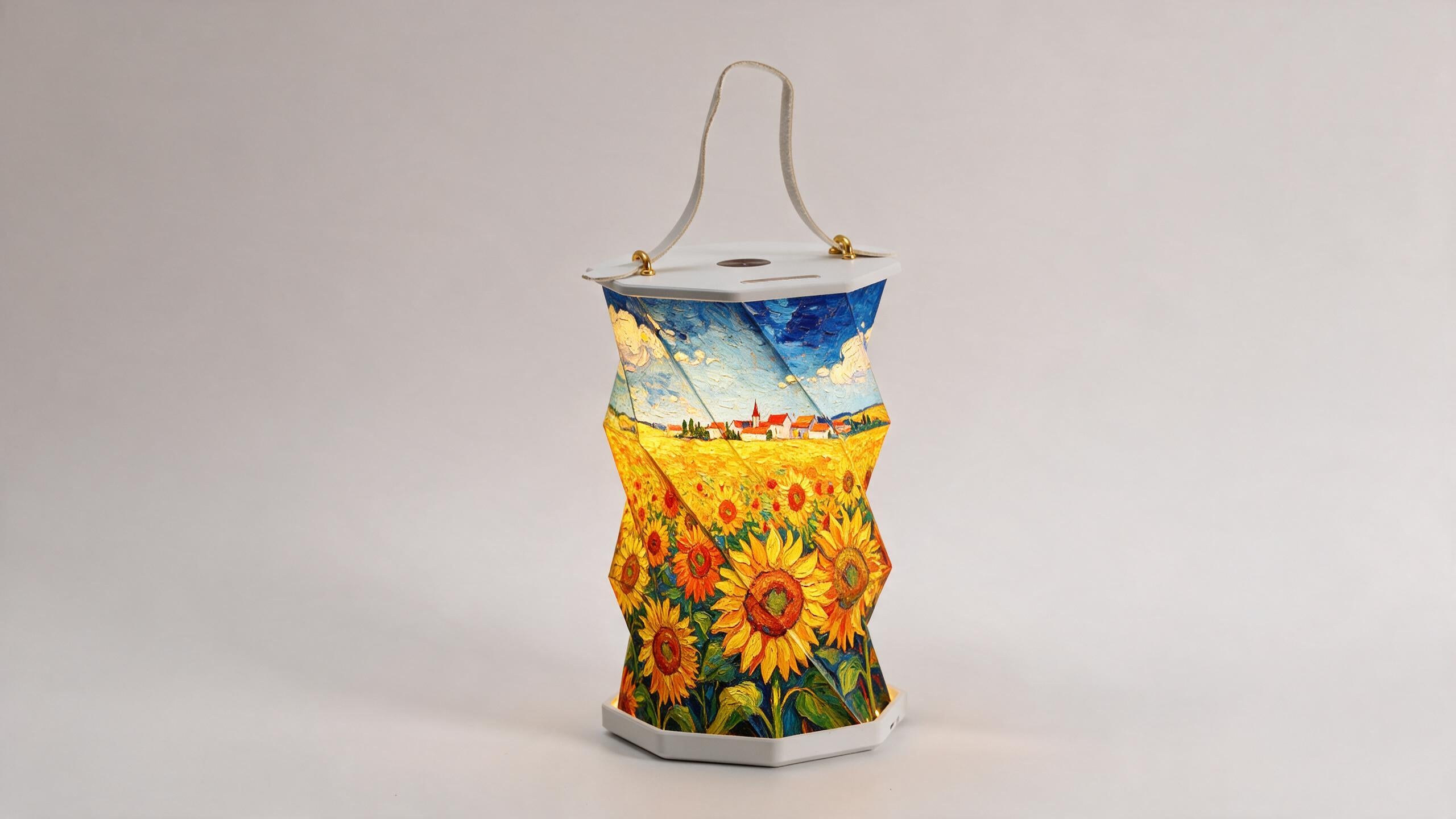
Beyond Puzzles and Prints: New Product Opportunities for Art Licensing Companies
Introduction
Art licensing companies have traditionally developed products around familiar categories such as puzzles, posters, greeting cards, stationery, and calendars. These products provide established ways to bring artwork into retail stores and reach consumers.
However, the same artwork collection may offer opportunities across a much wider range of product categories.
As retailers look for distinctive products and brands seek new ways to present creative content, art licensing companies can explore opportunities beyond traditional printed merchandise. Home décor, decorative accessories, lifestyle products, and artistic lighting are all potential directions for expanding an existing product portfolio.
For companies managing large collections of illustrations, paintings, patterns, and licensed designs, the challenge is not necessarily creating more artwork. It is finding new product formats that allow existing artwork to reach different customers.
This article explores several product opportunities for art licensing companies and explains how to evaluate, customize, and manufacture products based on licensed artwork.
1. Why Art Licensing Companies Should Explore New Product Categories
An established artwork collection represents more than a collection of images. It is a creative asset that can potentially be applied across multiple product categories.
For example, a botanical illustration might initially be licensed for stationery. The same artwork, subject to the relevant licensing permissions, could also be considered for decorative accessories, home décor, or lighting products.
Expanding into additional categories offers several potential advantages.
Reach different retail channels
Puzzles and stationery are commonly sold through bookstores, gift retailers, and specialty stores. Home décor and decorative lighting can also create opportunities with furniture retailers, lifestyle stores, interior product distributors, and home décor wholesalers.
Create more value from existing artwork
Developing additional product formats can extend the commercial application of an existing artwork collection without requiring an entirely new creative direction.
Build coordinated product collections
Instead of offering individual products, licensing companies can develop collections around a shared theme, artist, or visual style.
Differentiate the product portfolio
A distinctive product format may help an artwork collection stand out from other licensed merchandise competing in familiar categories.
The objective is not to abandon traditional products. It is to identify complementary categories that make sense for the artwork, audience, and distribution strategy.
2. Explore Home Décor Products
Home décor is a natural category to consider when developing products based on artistic illustrations and licensed designs.
Consumers often select decorative products according to their personal interests, preferred colors, interior styles, and visual themes.
This creates opportunities for artwork-based collections featuring:
-
Botanical and floral illustrations.
-
Wildlife and nature artwork.
-
Abstract paintings and geometric patterns.
-
Landscape and architectural illustrations.
-
Vintage and contemporary artistic designs.
For example, an art publisher with a collection of botanical illustrations could develop a coordinated range of decorative accessories featuring different illustrations from the same artist.

For art licensing companies, the advantage of this approach is that a single creative theme can be adapted to different product formats while maintaining a consistent visual identity.
When selecting a manufacturer, buyers should consider printing quality, material compatibility, product dimensions, and how the artwork will appear on the finished item.
3. Develop Decorative Lighting with Licensed Artwork
Decorative lighting is another product category worth exploring.
Unlike traditional printed merchandise, lighting products combine visual presentation with practical functionality. They can become part of a room's interior decoration while providing illumination.
For art licensing companies, this offers an additional way to showcase licensed illustrations and paintings.
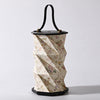
One example is a book-style folding lamp.

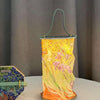
This type of lamp features a book-like structure that opens vertically from the top and bottom. When opened, its inner pages spread out and illuminate, creating a distinctive decorative appearance.
Approved artwork can be printed on the suitable inner-page surfaces, allowing different artists and collections to be represented through different lamp designs.
Potential applications include:
-
Botanical and floral artwork lamps.
-
Landscape and nature-inspired lighting.
-
Artistic illustrations from independent artists.
-
Museum collection-inspired decorative lamps.
-
Licensed character and entertainment designs.
A coordinated collection could feature several artists or themes within the same product format.
For example, an art publisher could select four illustrations from one artist and develop them into four different lamp designs. Retailers could then present them as a themed collection rather than four unrelated products.
For licensing companies, decorative lighting may offer an opportunity to introduce artwork into a product category that is visually different from conventional paper-based merchandise.
4. Consider Lifestyle and Functional Products
Another direction is to explore products that combine artistic design with everyday use.
Depending on the artwork and target audience, potential categories include:
Desk and workspace accessories
Illustrations and patterns can be incorporated into products used in home offices, creative studios, and personal workspaces.
Portable decorative accessories
Compact products with distinctive artwork may appeal to consumers who want to display their interests in different environments.
Creative and interactive products
Products involving assembly, folding, or other simple interactions can provide an additional experience beyond viewing a printed image.

For art licensing companies, these categories may be particularly interesting when the artwork has a clear theme or recognizable artistic identity.
However, not every product category will suit every collection. Product development should begin with the intended consumer and retail channel rather than simply finding another surface on which to print an image.
5. Build Collections Instead of Developing Individual Products
One of the most effective ways to expand an art licensing portfolio is to think in terms of collections.
A collection can be built around:
-
One artist.
-
A particular artistic style.
-
A subject such as flowers, animals, or landscapes.
-
A seasonal theme.
-
A city, landmark, or cultural destination.
-
A licensed entertainment property.
For example, a nature-inspired collection might include several botanical illustrations, wildlife designs, and landscape paintings.
These designs could be adapted to different decorative product formats while maintaining a consistent theme.

This approach can provide several advantages:
-
Retailers can select multiple products within one theme.
-
Different artwork designs can appeal to different consumer preferences.
-
A collection can be introduced gradually through product launches.
-
Licensing companies can explore additional applications for an existing artwork portfolio.
For manufacturers, developing a collection also creates an opportunity to coordinate printing, product specifications, and packaging across multiple designs.
6. What Should Art Licensing Companies Consider Before Expanding?
Not every new product category will generate the same commercial results. Before investing in product development, licensing companies should evaluate several important factors.
Licensing Rights and Product Categories
First, confirm that the licensing agreement covers the intended product category.
Rights for puzzles, stationery, or prints do not automatically include decorative lighting, home décor, or other merchandise.
Territories, sales channels, exclusivity, and approval requirements should also be reviewed.
Target Market and Retail Channels
Consider where the products will be sold.
A product designed for museum shops may require a different presentation and price positioning from one intended for supermarkets or home décor retailers.
Artwork Suitability
Some artwork is more suitable for certain product formats.
Detailed illustrations may require high-quality printing, while patterns and simpler compositions may be easier to adapt across different surfaces.
Manufacturing Capabilities
The selected manufacturer should understand the product structure, printing requirements, materials, and customization process.
Buyers should also check whether the factory can produce samples and maintain consistent quality during mass production.
MOQ and Commercial Viability
Minimum order quantities, development costs, unit pricing, packaging, and shipping expenses should be considered before confirming a project.
For companies testing a new product category, it is useful to understand the manufacturer's existing product options and customization requirements before committing to a larger development project.
7. How DECO Helps Turn Artwork into Decorative Lighting Products
DECO is a manufacturer specializing in cultural and creative folding lamps and decorative lighting.
For art licensing companies, art publishers, and brands with licensed artwork collections, DECO provides opportunities to develop customized lighting products using approved designs.
Its product range includes:
-
Book-style Folding Lamps: Decorative lamps with vertically opening, book-like structures and customizable inner-page artwork.
-
Rotating Decorative Lamps: Creative lighting products that combine decorative design with a distinctive rotating structure.
-
Mini Book Lamps: Compact book-style lighting products suitable for smaller retail formats and themed collections.
-
Other Creative Lighting Products: Different product formats that can be evaluated according to the artwork and project requirements.
Depending on the selected model, customization may include:
Artwork Printing
Approved illustrations, paintings, patterns, and licensed designs can be adapted to suitable printing areas.
Collection Development
Multiple designs can be developed within the same product format to create a coordinated product series.
Branding and Packaging
Logos, product information, and packaging can be customized according to the project's requirements.
Sampling and Production
DECO can arrange artwork layout, sampling, sample confirmation, and mass production according to the agreed specifications.
How to Start a Project with DECO
Art licensing companies interested in exploring decorative lighting can start by sharing:
-
A brief introduction to their artwork collection or licensing portfolio.
-
Selected artwork or reference images.
-
The intended product category and target market.
-
Estimated order quantity.
-
Branding and packaging requirements.
-
Relevant licensing permissions and artwork approval guidelines.
DECO can review the project, recommend suitable existing product formats, discuss artwork customization, and provide information about MOQ, pricing, sampling, and production arrangements.
This gives licensing companies a practical starting point for evaluating whether decorative lighting is suitable for their existing artwork collections.
Conclusion
Art licensing companies do not need to limit their product portfolios to puzzles, prints, stationery, and other traditional merchandise.
Home décor, lifestyle products, and decorative lighting offer additional possibilities for bringing licensed artwork into consumers' everyday environments.
The most effective approach is to select product categories that complement the artwork, understand the target retail market, confirm licensing permissions, and work with manufacturers that can translate creative designs into reliable physical products.
For companies looking to explore decorative lighting, DECO offers customized folding and creative lamp products that can be developed with approved artwork and branding.
Have an existing artwork collection that could be developed into a new product category? Contact DECO to discuss your decorative lighting project, explore suitable product formats, and review the customization process.