How to Turn Licensed Artwork into Unique Decorative Products
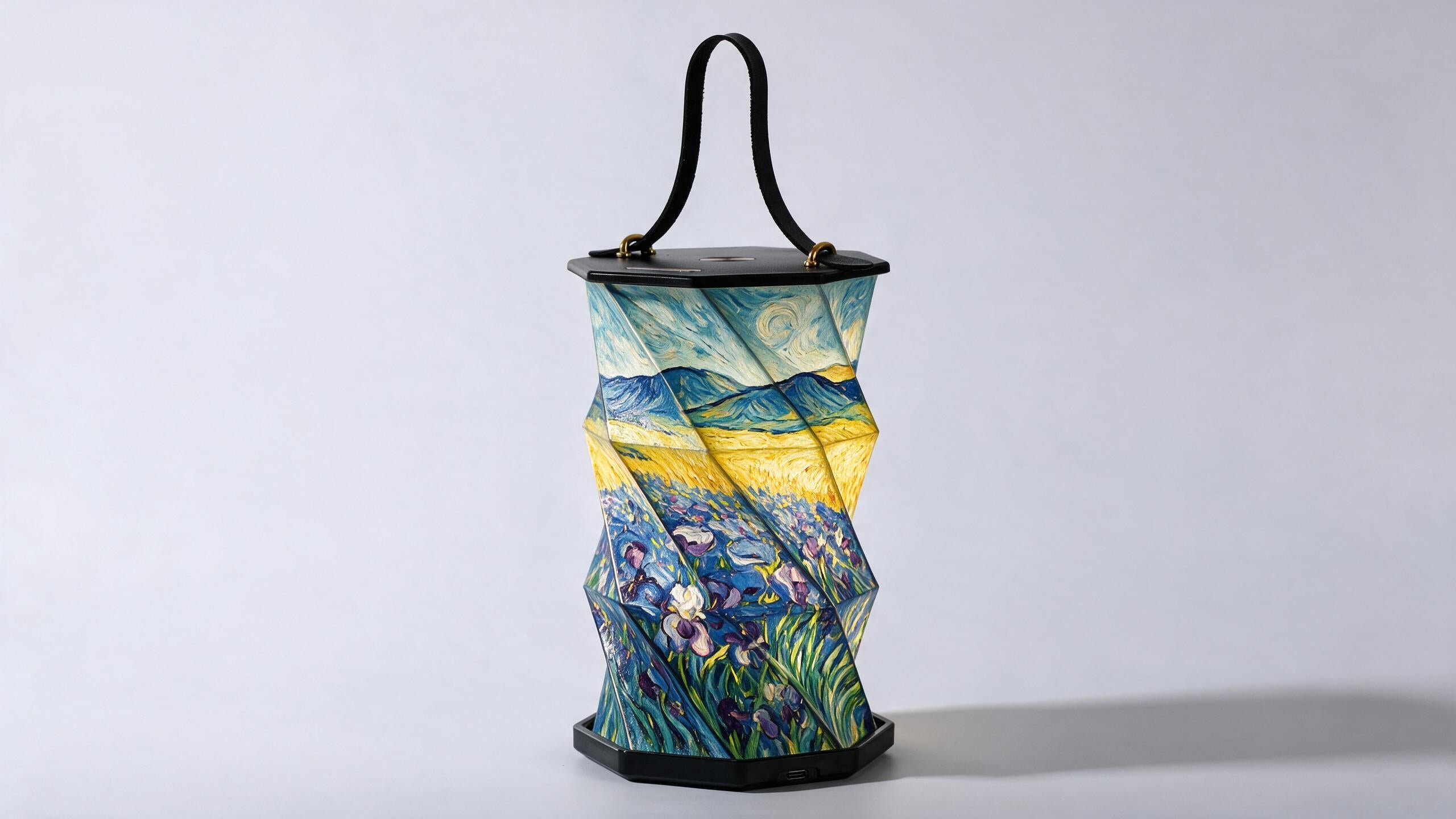
How to Turn Licensed Artwork into Unique Decorative Products
Introduction
Artwork has the power to attract attention, communicate emotions, and create a recognizable visual identity. For art licensing companies, publishers, and brands, this creates opportunities beyond traditional products such as prints, posters, stationery, and puzzles.
One way to expand an artwork portfolio is to introduce it into decorative products.
Instead of displaying an illustration only on a flat surface, businesses can transform it into a functional or decorative item that customers can use and display in their everyday environments. Products such as decorative lighting, home accessories, and artistic lifestyle products offer additional ways to present licensed artwork.
However, turning an artwork into a physical product requires more than simply printing an image onto an existing item. Product selection, artwork adaptation, manufacturing techniques, and licensing permissions all need to be considered.
This article explains how businesses can develop licensed artwork into distinctive decorative products and what to consider when working with a manufacturing partner.
1. Look Beyond Traditional Artwork Products
Art licensing businesses often work with a wide range of visual assets, including illustrations, paintings, photography, patterns, and designs created by independent artists.
These assets can be applied to many established product categories:
-
Stationery: Notebooks, greeting cards, calendars, and planners.
-
Paper products: Puzzles, posters, journals, and art prints.
-
Home décor: Decorative cushions, wall accessories, and table decorations.
-
Lifestyle products: Storage accessories, personal accessories, and everyday items.
-
Decorative lighting: Lamps featuring licensed illustrations, patterns, or artistic compositions.
Expanding into new product categories can help licensing companies reach different retail channels and create more ways for customers to experience the same artwork.
For example, a botanical illustration originally developed for a greeting card collection could also be considered for a decorative lamp. A cityscape painting might become part of a landmark-inspired home décor collection.
The key is to choose products that complement the artwork rather than applying the same design to every available item.
2. Choose Products That Match the Artwork
Not every artwork is suitable for every product. The visual characteristics of a design should influence the product development decision.
Consider the following examples:
Botanical and floral artwork

Floral illustrations, leaves, and natural patterns can work well on decorative products for bedrooms, living rooms, and lifestyle retail collections.
Fine art and painterly designs

Paintings with distinctive colors, textures, and compositions may be suitable for products that function as both decorative objects and visual displays.
Landmark and city illustrations

Architectural illustrations and city-themed artwork can be developed into destination-inspired products for museum shops, tourism retailers, and cultural collections.
Character and licensed IP artwork

Character designs and recognizable visual identities can create opportunities for themed decorative products, provided the relevant licensing agreements cover the intended product category and territory.
Before selecting a product, buyers should consider its intended audience, retail positioning, price range, and how the artwork will appear when the product is in use.
3. Consider Decorative Lighting as a New Product Category
Decorative lighting offers an interesting way to present licensed artwork because it combines visual design with illumination.
Unlike a conventional printed product, a lamp can change the atmosphere of a space while displaying an illustration or artistic pattern.
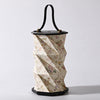
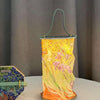
One example is a book-style folding lamp. Its pages open vertically from the top and bottom, revealing an illuminated interior. The printed artwork can become part of the product's overall visual presentation.

This type of product may be worth exploring for:
-
Art publishing brands looking to extend their collections.
-
Art licensing companies developing products with partner retailers.
-
Home décor brands seeking distinctive decorative lighting.
-
Museum shops creating products inspired by their collections.
-
Retailers looking for visually differentiated decorative products.
The format is particularly interesting when the artwork can be adapted to the lamp's inner pages and the product's physical structure.
For example, a series of botanical illustrations could become a coordinated lamp collection. Different paintings from one artist could also be developed into individual designs within the same product range.
The opportunity is not simply to put artwork on a lamp. It is to create a product in which the artwork, lighting, and physical form work together.
4. Adapt Artwork for the Physical Product
An image that looks good on a computer screen may not automatically produce the same result on a manufactured product.
Artwork adaptation is therefore an important part of product development.
Several factors should be reviewed before production.
Image quality and resolution
The original artwork should have sufficient resolution for the intended printing size. Low-resolution images may lose detail when enlarged.
Color reproduction
Colors can appear different depending on the printing method and material. It is important to review how the artwork will look on the actual product surface.
Layout and composition
Some products have curved, folded, segmented, or irregular surfaces. The artwork may need to be rearranged to fit the product structure.
Printing and material compatibility
Different materials require different printing considerations. Buyers should confirm that the selected material and printing process can reproduce the artwork appropriately.
Product functionality
The design should not interfere with essential product features, such as folding, opening, charging, or lighting components.
For licensed decorative lighting, it is especially important to review the artwork in both the unlit and illuminated states.
5. Understand the Custom Product Development Process
Developing a licensed decorative product usually involves several stages. A clear process helps the licensing company, brand owner, and manufacturer work together efficiently.
Step 1: Define the Project
Start by identifying the intended product category, target market, customer group, retail channel, and estimated order quantity.
The licensing company should also confirm that the relevant agreement permits the proposed product type, territory, sales channels, and production arrangements.
Step 2: Select the Artwork
Choose artwork that fits the product format and intended market.
At this stage, the manufacturer may need high-resolution artwork files, color references, layout requirements, and any relevant brand guidelines.
Step 3: Confirm Product Structure and Customization
Discuss the available product structure, material options, printing areas, packaging requirements, and possible customization.
For an existing product, this may involve adapting the artwork to the manufacturer's product dimensions and printing specifications.
A completely new structure may require additional engineering, tooling, and development work.
Step 4: Prepare Artwork and Samples
The artwork is arranged according to the product specifications. A sample can then be produced to evaluate the appearance, printing quality, structure, and functionality.
For lighting products, the sample should also be checked under illumination.
Step 5: Approve and Begin Mass Production
Once the design and sample are approved, the buyer and manufacturer can confirm the final specifications, quantity, packaging, pricing, and delivery schedule before production begins.
A clearly defined approval process helps reduce misunderstandings and unnecessary revisions.
6. What Should You Look for in a Manufacturing Partner?
Choosing the right manufacturer is important when transforming licensed artwork into physical products.
A suitable partner should understand both the manufacturing requirements and the visual expectations of artwork-based products.
Consider these factors:
-
Relevant manufacturing experience: Does the factory specialize in the product category you want to develop?
-
Printing capabilities: Can it reproduce detailed illustrations, colors, and patterns consistently?
-
Customization flexibility: Can it work with your artwork, branding, and packaging requirements?
-
Sampling capability: Can it produce samples for review before mass production?
-
Quality control: Does it inspect product appearance, structure, and functionality?
-
Communication: Can it explain technical limitations, production requirements, and development costs clearly?
It is also important to clarify intellectual property responsibilities. The licensing company or brand owner should provide the necessary permissions and approved artwork. The manufacturer should use those materials only for the agreed project and production scope.
A good manufacturing relationship is based on clear specifications, transparent communication, and mutual confirmation at every important stage.
7. How DECO Supports Custom Decorative Lighting Projects
DECO is a manufacturer specializing in cultural and creative folding lamps and decorative lighting.
For art licensing companies, art publishers, brands, and other businesses with licensed artwork, DECO provides opportunities to explore how existing visual assets can be developed into customized lighting products.
Its product range includes book-style folding lamps, rotating decorative lamps, mini book lamps, and other creative lighting formats.
Depending on the selected product and project requirements, customization options may include:
-
Custom artwork printing: Applying approved illustrations, paintings, patterns, and other licensed designs to suitable product surfaces.
-
Inner-page design: Developing artwork layouts for book-style folding lamps.
-
Brand customization: Incorporating approved logos and brand visual elements.
-
Packaging customization: Creating packaging that matches the product collection and retail positioning.
-
Product sampling: Producing samples for design, appearance, and functional evaluation before mass production.
DECO uses materials such as DuPont™ Tyvek® and specialty paper in its folding lamp products, depending on the model. The appropriate material and printing approach should be confirmed for each project.
How to Start a Project with DECO
Businesses interested in developing customized decorative lighting can begin by sharing:
-
A brief introduction to the artwork or licensed collection.
-
The intended product category and target market.
-
Reference images or high-resolution artwork files.
-
Estimated order quantity.
-
Packaging and branding requirements.
-
Any relevant licensing or production guidelines.
DECO can then review the requirements, recommend suitable existing product formats, discuss customization possibilities, and provide information about sampling, MOQ, pricing, and production arrangements.
This allows the project to begin with an actual product assessment rather than relying only on an initial design concept.
Conclusion
Licensed artwork has potential far beyond traditional printed products. By exploring categories such as decorative lighting and home décor, art licensing companies and publishers can create additional ways to present their collections to consumers.
Successful product development depends on choosing the right product format, adapting the artwork to the physical structure, confirming licensing permissions, and working with a manufacturer capable of delivering the required quality.
For businesses considering decorative lighting as an extension of their artwork portfolio, DECO offers a range of folding and creative lamp products that can be customized with approved artwork and branding.
Have an artwork collection or licensed design you would like to develop into decorative lighting? Contact DECO to discuss your project, explore suitable product options, and review the customization and sampling process.