Small Products with Big Profit Margins

Small Products with Big Profit Margins
Why Small Products Can Create Bigger Opportunities
A product does not need to be large to be profitable.
In fact, small products can offer several advantages for retailers.
They are often easier to:
- Ship
- Store
- Display
- Carry
- Purchase as gifts
However, size alone does not create profit.
The strongest opportunities come from products with a small physical footprint but high perceived value.

Short Answer
Small products can offer strong profit potential when they combine:
Compact Size + Attractive Design + Clear Value + Differentiation
Examples include:
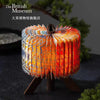
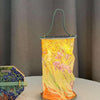
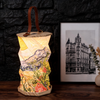
- Decorative lighting
- Small home décor
- Art-inspired products
- Personalized products
- Souvenirs
- Collectibles
- Seasonal products
- Creative desk accessories
- Lifestyle products
The goal is not to find the cheapest product.
The goal is to find a product customers believe is worth paying more for.
1. Small Products Are Easier to Display
Retail space is valuable.
Compact products allow retailers to display more products in a smaller area.
They can work well on:
- Shelves
- Countertops
- Checkout areas
- Small display stands
This gives retailers more flexibility and allows them to test different designs without using too much space.

2. Lower Size Can Improve Logistics Efficiency
Large products can create additional costs for:
- Shipping
- Warehousing
- Handling
- Packaging
Compact products can often be packed more efficiently.
This can help retailers and wholesalers reduce the space required for inventory and transportation.
3. Design Can Create Higher Perceived Value
Customers do not judge a product only by its size.
A small product can feel premium when it has:
- Unique design
- Good materials
- Attractive packaging
- Original artwork
- A strong product story
This is why a small, well-designed product can sometimes sell for more than a larger but generic alternative.

4. Art and Customization Can Increase Value
Customization can transform a standard product into something more exclusive.
For example:
Standard Product
↓
Artist Collection
↓
Destination Collection
↓
Holiday Edition
↓
Limited Retail Collection
The physical product may remain the same, but the perceived value can change significantly.
This can help retailers create products that are more difficult to compare directly.
5. Small Products Can Be Easier to Buy as Gifts
Gift buyers often prefer products that are easy to:
- Carry
- Wrap
- Travel with
- Understand
- Give to different people
Compact products can therefore work well for:
- Gift shops
- Museum stores
- Tourist stores
- Lifestyle retailers
- Seasonal retail
The best products can work both as a personal purchase and as a gift.
6. Collectible Products Can Create Repeat Sales
A single small product can become more valuable when it is part of a collection.
For example:
City Collection
Artist Collection
Holiday Collection
Landmark Collection
Instead of purchasing one product, customers may want to collect several designs.
This creates opportunities for:
First Purchase → Repeat Purchase → Collection
7. Products With a “Wow” Factor
Small products can attract attention when they create an unexpected experience.
For example:
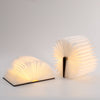
- Folding products
- Rotating products
- Products that light up
- Transforming products
- Products that reveal artwork
These products can perform well in physical retail because customers can immediately see how they work.
They can also be highly visual for social media marketing.
How to Find Small Products With Strong Profit Potential
Before choosing a product, retailers should ask:
Is It Easy to Display?
Compact products can increase merchandising flexibility.
Does It Look Different?
Unique design can reduce direct price competition.
Does It Have Strong Perceived Value?
Customers should feel the product is worth its retail price.
Can It Be Customized?
Custom artwork and packaging can create exclusive collections.
Is It Giftable?
Giftability creates more purchasing opportunities.
Can Customers Buy More Than One?
Collections can encourage repeat purchases.
Expert Tip
Don't only ask:
“How much does this product cost?”
Ask:
“Why would a customer be willing to pay more for it?”
The strongest answers often involve:
Design
Function
Exclusivity
Customization
Artwork
Story
These factors can increase perceived value without necessarily increasing the physical size of the product.
Key Takeaway
Small products can create big retail opportunities when they are:
Easy to Ship
Easy to Display
Easy to Gift
Visually Attractive
Difficult to Compare
Worth Paying More For
For retailers, a successful high-margin product is not simply a product with a low purchase price.
It is a product that creates more value in the customer's eyes than its size might suggest.
Related Articles
- Retail Products Customers Actually Buy
- Fast-Moving Retail Products
- Trending Lifestyle Products
- What Products Have High Profit Margins?
- What Products Increase Basket Size?
- What Products Encourage Impulse Purchases?
- Best Retail Gift Ideas
About the Author
This article was written by professionals with experience in product development, retail, wholesale, and creative consumer products. The team works with retailers, distributors, brands, and product buyers to develop products with strong design, customization, and retail potential.
About DECO
DECO is a creative product manufacturer specializing in customized decorative lighting, folding lamps, lifestyle products, and creative retail merchandise.
Through OEM/ODM manufacturing, DECO supports custom artwork, seasonal designs, artist collaborations, cultural themes, exclusive collections, and custom packaging for retailers, wholesalers, art brands, museum stores, souvenir shops, and lifestyle companies.