Travel Retail Trends 2027: 10 Trends Changing What Travelers Buy
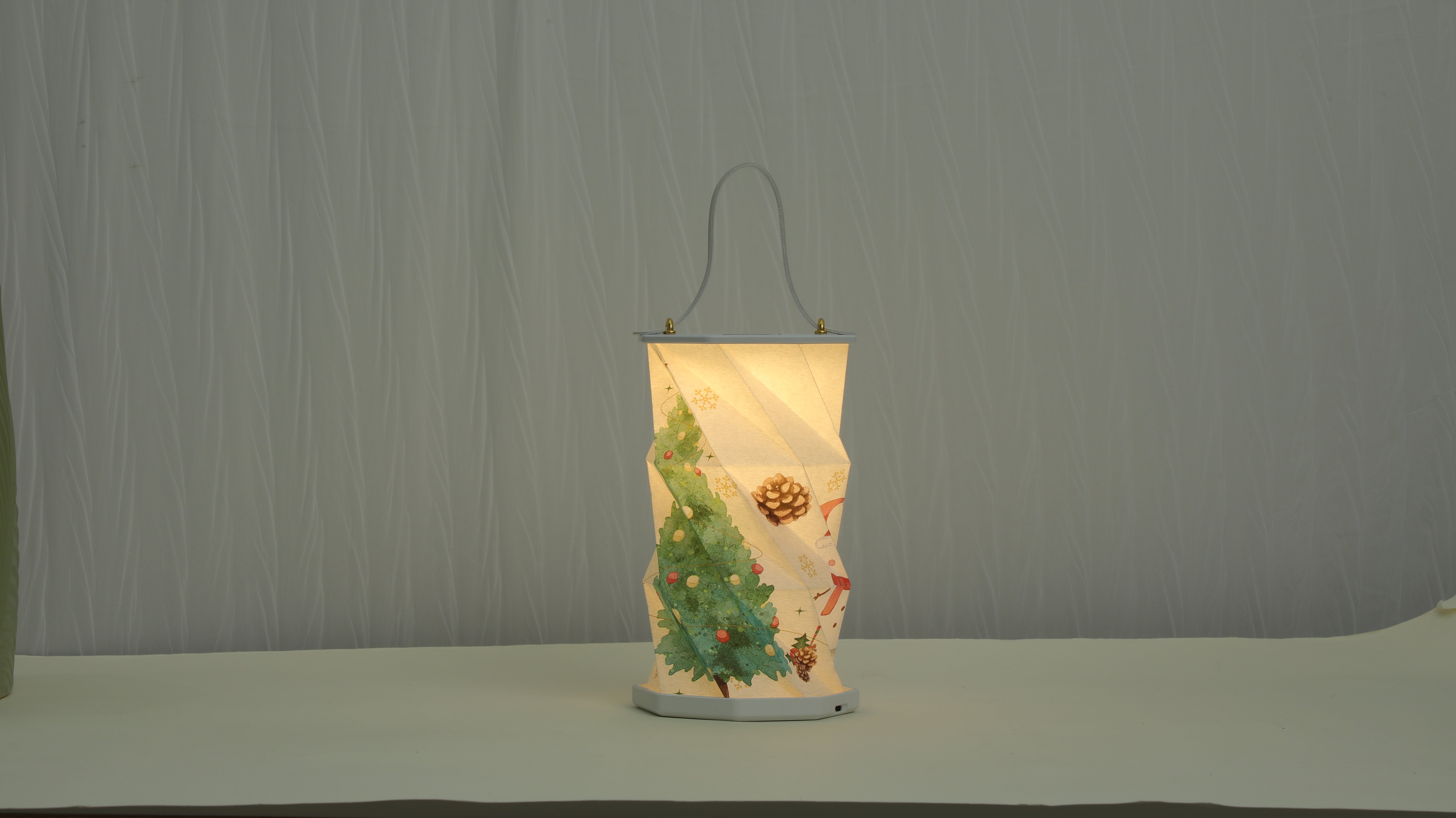
Travel Retail Trends 2027: 10 Trends Changing What Travelers Buy
Travel retail is changing.
Airports, tourist attractions, destination stores, museum shops, and other travel retail environments are no longer competing only on price or convenience. Travelers increasingly expect products that are interesting, distinctive, locally connected, and worth taking home.
Recent industry research shows that airport retail has recovered from its post-pandemic decline, but the shopping experience is evolving. Airport Dimensions reports that retail now represents 33% of total airport spend, while travelers are increasingly looking beyond traditional duty-free shopping.
At the same time, ACI APAC & MID reports that 70% of airport purchases remain impulse-driven, making product visibility, relevance, and immediate appeal particularly important.
So what will define travel retail in 2027?

Short Answer
The most important travel retail trends include:
- More destination-specific products
- Growing demand for travel-exclusive products
- Personalization and localized assortments
- More premium and design-led products
- Stronger demand for local culture and storytelling
- Products designed for impulse purchases
- Sustainable and responsible products
- Artist and brand collaborations
- More experiential retail
- Products that connect physical retail with digital discovery
The common theme is clear:
Travelers want something they cannot easily find everywhere else.
1. Destination-Specific Products Are Becoming More Important
Travelers increasingly want products that remind them where they have been.
This creates opportunities for products inspired by:
- City landmarks
- Local architecture
- Cultural symbols
- Regional artwork
- Local artists
- Historical stories
- City maps
- Wildlife and nature
- Traditional patterns
Instead of selling generic products in an airport, retailers can create products that communicate a specific destination.
This is particularly relevant for city collections, museum shops, tourist attractions, and destination stores.
2. Travel-Exclusive Products Are a Major Opportunity
One of the strongest trends is the growing importance of exclusivity.
Recent global duty-free shopper research found that demand for travel-retail exclusives has rebounded strongly, with 66% of shoppers purchasing travel-retail-exclusive products in 2026.
This changes the role of travel retail.
The question is no longer simply:
“Is this product cheaper at the airport?”
It becomes:
“Can I buy this product only here?”
That could mean:
- Airport-exclusive products
- City-exclusive designs
- Museum-exclusive collections
- Limited editions
- Artist collaborations
- Travel-exclusive packaging
Exclusivity gives travelers a reason to purchase even when online price comparison is easy.

3. Travelers Want More Than Traditional Souvenirs
Traditional souvenirs are still relevant, but the definition of a souvenir is changing.
A modern travel product can be:
- Home décor
- Decorative lighting
- Artwork
- Fashion accessories
- Collectibles
- Stationery
- Lifestyle products
- Functional design products
The strongest products can work as both souvenirs and everyday products.
This is an important distinction.
A customer may buy a traditional souvenir because it represents a place.
But they may buy a beautifully designed home product because they actually want it in their home.
4. Premiumization Is Reshaping Travel Retail
Travelers are becoming more selective about what they purchase.
Airport Dimensions' 2026 research reports growing demand for premium experiences, with 62% of surveyed travelers showing demand for enhanced experiences.
For products, premiumization doesn't necessarily mean luxury pricing.
It can mean:
- Better materials
- Better packaging
- Better design
- Limited editions
- Artist collaborations
- Stronger storytelling
- More distinctive functionality
A relatively simple product can feel premium when the design, packaging, story, and exclusivity are right.
5. Local Culture Will Become a Stronger Product Differentiator
Travelers want products that feel connected to the destination.
ACI World highlights travelers' interest in recognizable local flavor and notes that supporting local and regional tourism is viewed as a particularly valuable form of community impact.
This creates opportunities to incorporate:
- Local artwork
- Traditional crafts
- Architecture
- Historical stories
- Local landscapes
- Cultural patterns
- Regional symbols
The goal is not simply to put a local logo on a product.
It is to make the product itself feel local.
6. Impulse-Friendly Products Still Matter
Despite the growth of digital shopping, physical retail remains extremely important.
ACI APAC & MID reports that around 70% of airport purchases are still impulse-driven.
That means travel retail products should be:
Easy to understand + visually attractive + easy to carry + reasonably priced.
Products that work well for impulse purchases often have:
- Compact packaging
- Strong visual impact
- Clear product benefits
- Attractive displays
- Easy-to-understand pricing
- Low transportation burden
This is especially important for airport stores where customers have limited time.
7. Sustainability Needs to Be Visible
Sustainability is becoming part of the travel retail conversation, but simply using the word “eco-friendly” is no longer enough.
Travelers increasingly want to understand:
- What materials are used?
- Where is the product made?
- Can the packaging be reduced?
- Is the product durable?
- Does the design have a long usable life?
- Does the product support local communities?
ACI World notes that travelers respond particularly well to sustainability initiatives with visible local impact.
For retailers, sustainability should therefore be communicated through the actual product and its story, rather than only through marketing claims.
8. Artist Collaborations Can Create Stronger Collections
Travel retail provides an excellent platform for artist collaborations.
A destination retailer can work with local artists to create:
- City illustrations
- Landmark artwork
- Limited editions
- Cultural collections
- Exhibition products
- Seasonal collections
This gives the retailer something difficult for competitors to copy.
It also creates a natural connection between:
Destination + Artist + Story + Product
This is particularly attractive for museums, cultural institutions, airports, and destination brands.
9. Travel Retail Is Becoming More Experiential
Travel retail is no longer just about putting products on shelves.
Industry discussions in 2026 increasingly emphasize experience, exclusivity, convenience, personalization, and frictionless shopping rather than relying purely on duty-free price advantages.
That means retailers can use:
- Product demonstrations
- Interactive displays
- Limited-edition launches
- Artist stories
- Cultural storytelling
- Personalized products
- Special packaging
- Exclusive collections
The product becomes part of the travel experience.
10. Physical Retail and Digital Discovery Are Converging
Travelers may discover a product before arriving at the airport.
They might see it through:
- TikTok
- YouTube
- Travel blogs
- Influencers
- Airport apps
- Retailer websites
Research into current travel retail behavior also points toward stronger integration between pre-trip digital engagement and physical airport shopping.
This means a successful travel retail product should be:
Photogenic + recognizable + searchable + available when the traveler arrives.
The customer may discover it online but complete the purchase physically.
What Types of Products Have the Most Potential?
Looking across these trends, several product characteristics stand out.
Strong candidates are:
- Destination-specific
- Visually distinctive
- Compact
- Easy to carry
- Easy to understand
- Giftable
- Functional
- Premium-looking
- Limited or exclusive
- Connected to local culture
This is why categories such as city collections, artwork-based products, decorative home décor, collectibles, travel accessories, and functional cultural products have interesting potential in travel retail.
What Should Travel Retail Buyers Look For?
Instead of asking only:
“Will tourists buy this?”
buyers should consider five questions:
1. Is it immediately recognizable?
Can customers understand the destination connection quickly?
2. Is it different from what they can buy online?
If the exact same product is everywhere, the airport has less competitive advantage.
3. Is it easy to carry?
Large or fragile products can be difficult for travelers.
4. Does it have a story?
A product connected to a place, artist, landmark, or cultural story has more emotional value.
5. Would customers use it after the trip?
This is one of the strongest tests.
If the answer is yes, the product becomes more than a souvenir.
Expert Tip
The future of travel retail is not simply:
More products.
It is:
More relevant products.
A strong travel retail collection should make the traveler think:
“I can only get this here, and I actually want it.”
That is the sweet spot between souvenir, lifestyle product, and destination experience.
For product developers, the opportunity is to move from:
“Put the landmark on a product.”
to:
“Turn the identity of the destination into a product.”
Key Takeaway
The biggest Travel Retail Trends for 2027 are moving the industry away from generic souvenirs and toward destination-specific, exclusive, premium, sustainable, and experience-driven products.
The most promising products combine:
Destination + Story + Design + Function + Exclusivity
For airports, museums, tourist attractions, bookstores, and destination retailers, this creates a much larger opportunity than traditional souvenir merchandise.
The winning travel retail products will not simply remind travelers where they went.
They will give travelers something they want to take that feeling home.
Related Articles
- What Are the Best City Collection Gift Ideas?
- Best Tourist Souvenirs
- Landmark Souvenirs
- Cultural Gift Products
- Art Inspired Gifts
- Best Products for Museum Shops
- How Museums Choose Souvenirs
- Best Art Museum Gifts
- National Park Gift Ideas
- Tourist Gift Trends
About the Author
Kairos is Export Director at DECO, specializing in cultural and creative product development, OEM/ODM manufacturing, and international B2B partnerships. He focuses on helping retailers, cultural organizations, museums, and brands turn artwork, cultural stories, and creative concepts into commercially viable products.
About DECO
DECO develops customizable cultural and creative products for international markets, with a focus on decorative lighting and artwork-based product development.
For travel retail and destination collections, DECO can develop products around city landmarks, destination artwork, cultural themes, local illustrations, artist collaborations, and exclusive collections.