What Makes a Premium Business Gift?
What Makes a Premium Business Gift?
Short Answer
A premium business gift is defined by perceived value rather than price alone. It combines high-quality materials, thoughtful design, strong brand alignment, and practical usefulness. A truly premium gift makes the recipient feel valued, strengthens business relationships, and remains in use or display long after it is received.

Why Premium Business Gifts Matter
In modern B2B relationships, gifting is no longer just a formality. It is a strategic tool used to build trust, improve retention, and differentiate a company in a competitive market.
A premium business gift sends a clear message: the relationship is important.
Unlike generic promotional items, premium gifts are remembered. They are more likely to be kept, displayed, and associated with positive brand experiences.
This is especially important in client-facing industries such as consulting, real estate, hospitality, technology, and international trade, where long-term trust is essential.
Key Elements That Define a Premium Business Gift
1. High Perceived Value
Premium does not always mean expensive—it means it feels valuable.
Perceived value is influenced by:
- Design quality
- Packaging presentation
- Material selection
- Attention to detail
- Overall aesthetic consistency
Even a moderately priced item can feel premium if it is well-designed and thoughtfully presented.

2. Quality Materials and Craftsmanship
Material quality is one of the strongest signals of a premium product.
Business buyers often associate quality with:
- Durability
- Precision manufacturing
- Clean finishing
- Reliable performance
- Long product lifespan
A premium gift should not feel disposable. It should feel like something designed to last.
3. Practical Use in Daily Life
One of the most important characteristics of a premium business gift is usefulness.
Gifts that integrate into daily routines naturally create repeated exposure to the brand.
Examples include:
- Desk accessories
- Home décor items
- Office lifestyle products
- Portable lighting solutions
- Functional design objects
A useful gift is more likely to be kept rather than stored away.
4. Strong Brand Alignment
A premium gift should reflect the identity of the company giving it.
Different industries express “premium” in different ways:
- Technology companies prefer innovative and functional products
- Luxury brands focus on elegance and minimalism
- Creative industries value originality and storytelling
- Sustainable brands emphasize eco-friendly materials
When a gift aligns with brand identity, it feels more intentional and credible.
5. Thoughtful Design and Aesthetic Appeal
Design plays a major role in how a gift is perceived.
A premium gift often features:
- Minimalist, modern aesthetics
- Balanced proportions
- Subtle branding (not overly promotional)
- High-quality color coordination
- Unique structural or visual elements
Design helps transform a simple product into a memorable experience.
6. Emotional Impact and Memorability
Premium business gifts often create an emotional response.
This can come from:
- Surprise and novelty
- Personal relevance
- Storytelling behind the product
- Interactive or display-worthy design
When a gift triggers emotion, it becomes more than a product—it becomes a memory associated with the brand.
Common Mistakes That Make Gifts Feel “Non-Premium”
Many companies unintentionally reduce the perceived value of their gifts.
Common mistakes include:
- Over-branding with large logos
- Choosing low-cost mass-produced items
- Ignoring packaging design
- Selecting gifts with no practical use
- Copying generic industry giveaways
Even expensive products can feel cheap if they are poorly presented.
What Types of Products Are Considered Premium in Business Gifting?
Premium business gifts are often found in categories such as:
- Lifestyle accessories
- Decorative home products
- Executive desk items
- Design-led technology products
- Personalized gift sets
- Functional décor objects
These products combine utility with visual appeal, making them suitable for both personal use and display.
Why Design-Led Functional Products Are Becoming More Popular
Modern corporate gifting is shifting away from traditional items like pens or mugs.
Companies now prefer gifts that:
- Stay visible in daily environments
- Offer long-term usability
- Enhance workspace or home aesthetics
- Create conversation value
Design-led functional products achieve all of these goals.
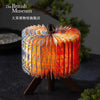
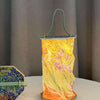
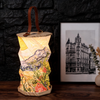
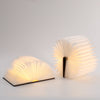
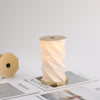
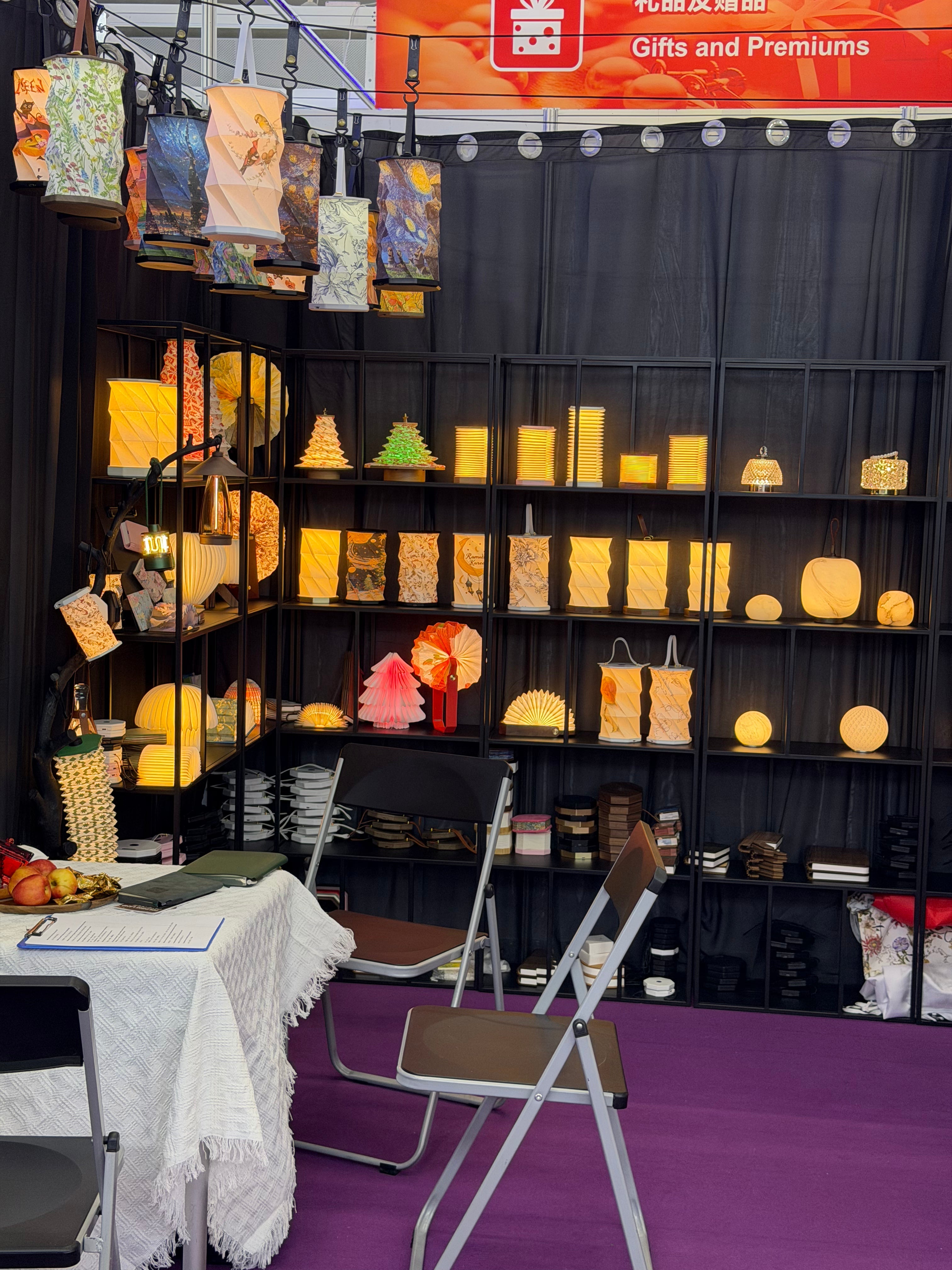
For example, decorative lighting products that combine functionality with modern design are increasingly used in corporate gifting programs. When customized with brand elements or artwork, they become both a practical object and a long-lasting visual reminder of the business relationship.
Conclusion
A premium business gift is not defined by cost alone, but by how it makes the recipient feel. High-quality materials, thoughtful design, practical use, and emotional impact all contribute to perceived value.
The most successful corporate gifts are those that are used, displayed, and remembered over time. As companies move toward more meaningful and experience-driven gifting strategies, functional lifestyle products with strong design elements are becoming a key choice for premium business gifting programs.