What Makes a Retail Product Successful?
What Makes a Retail Product Successful?
A Great Retail Product Doesn't Just Sell—It Sells Again and Again
Every year, thousands of new products are launched into the retail market. Some disappear within months, while others become long-term best sellers that customers recommend, repurchase, and remember.
So what separates the two?
It isn't always the lowest price.
It isn't always the biggest advertising budget.
And it certainly isn't luck.
Successful retail products are built around real customer needs. They solve problems, create enjoyment, fit naturally into people's lifestyles, and offer a reason to choose them over countless alternatives.
For retailers, understanding these principles is just as important as choosing the right supplier.

Short Answer
A successful retail product combines strong design, practical value, quality, competitive pricing, and clear customer appeal. Products that are easy to understand, visually attractive, and enjoyable to use are more likely to generate repeat purchases, positive word of mouth, and long-term retail success.
It Solves a Real Need
Customers rarely buy a product simply because it's new.
They buy it because it helps them do something, improve something, or feel something.
That need could be practical, such as better organization or lighting. It could also be emotional, such as creating a cozy home, celebrating a special occasion, or finding a meaningful gift.
Products that solve genuine needs have a much better chance of succeeding over the long term.
Great Design Creates Instant Appeal
Shoppers often make decisions within seconds.
Before they read a product description or compare prices, they notice the design.
Successful retail products usually have:
- A distinctive appearance
- Attractive colors or materials
- Modern styling
- A clear purpose
- Good packaging
Design is often what encourages customers to pick up a product for the first time.
Perceived Value Matters More Than Price
Many retailers believe customers always choose the cheapest option.
In reality, customers are willing to pay more when they believe a product offers greater value.
Perceived value comes from several factors:
- Premium materials
- Original design
- Brand reputation
- Better packaging
- Useful features
- Personalization options
A product with strong perceived value is less likely to compete purely on price.

Products Should Be Easy to Understand
If customers need a lengthy explanation to understand a product, they may simply move on.
The best retail products communicate their value quickly.
When shoppers immediately understand what a product does and why it is useful, they are much more likely to make a purchase.
Emotional Connection Drives Purchases
Many buying decisions are emotional rather than rational.
Customers are often attracted to products that remind them of a place, express their personality, celebrate an achievement, or create a memorable experience.
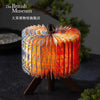
This is one reason why creative home décor, museum-inspired collections, and thoughtfully designed gifts often perform so well in retail environments.
Quality Builds Customer Trust
A product's first sale is important.
Its second sale is even more important.
When customers have a positive experience with quality products, they are more likely to recommend the brand, leave positive reviews, and return for future purchases.
Consistent quality builds long-term customer confidence.
Strong Packaging Helps Products Stand Out
Packaging is often the first physical interaction customers have with a product.
Well-designed packaging can:
- Increase perceived value
- Improve shelf visibility
- Make products feel gift-ready
- Encourage impulse purchases
- Strengthen brand recognition
For many retailers, packaging is part of the product—not an afterthought.
Products That Create Conversation Often Sell Better
Some products naturally attract attention.
They surprise people.
They invite questions.
They are photographed, shared on social media, or recommended to friends.
Retailers often call these "conversation products."
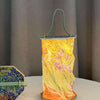
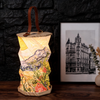
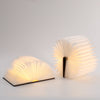
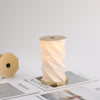
Creative lighting, artistic home décor, and innovative gift items are good examples because they combine functionality with originality.
Retail Success Continues After the Purchase
The sale is only the beginning.
Successful products continue creating value after customers take them home.
When people use a product every day, display it in their home, or recommend it to others, the product continues generating brand awareness and future sales.
This is why long-term usability is such an important part of retail success.

Questions Retail Buyers Should Ask Before Choosing a Product
Before adding a product to your range, consider these questions:
- Does this product solve a real customer need?
- Does it stand out from competing products?
- Is the quality consistent?
- Will customers understand its value immediately?
- Is it suitable for gifting?
- Does the packaging reflect the product's quality?
- Could customers recommend it to others?
- Will it still feel relevant a year from now?
If the answer to most of these questions is yes, the product has strong retail potential.
Expert Tip
Many retailers focus on what they are selling.
Successful retailers spend more time thinking about why customers would choose it.
When a product offers practical value, emotional appeal, and a memorable experience at the same time, it becomes much harder for competitors to replace.
Key Takeaway
Successful retail products aren't defined by low prices or short-term trends. They succeed because they solve real needs, create emotional connections, deliver reliable quality, and offer customers a clear reason to buy. Retailers who focus on value rather than price are more likely to build sustainable sales, stronger customer loyalty, and healthier profit margins.
Related Articles
- What Products Sell Best in Gift Shops?
- What Products Have High Profit Margins?
- What Home Décor Products Are Trending?
- How to Choose Products for a Gift Shop
- What Makes a Gift Worth Keeping?
- How to Source Unique Wholesale Products
About the Author
This article was written by professionals with experience in retail product development, merchandising, and international manufacturing. Through partnerships with retailers, distributors, museum stores, and home décor brands, the team has gained firsthand insight into the qualities that consistently help products succeed across different retail markets.
About DECO
DECO designs and manufactures creative retail products, decorative lighting, folding lamps, and customized gift collections for retailers worldwide. By combining original design, OEM/ODM manufacturing, premium packaging, and flexible customization, DECO helps businesses develop products that stand out on the shelf, enhance customer experiences, and support long-term retail growth.