What Makes a Retail Product Successful?
What Makes a Retail Product Successful?
A Great Product Is Not Always a Successful Retail Product
Every year, retailers introduce thousands of new products.
Some quickly become best sellers.
Others attract attention for a short period and then disappear.
And some products never gain traction at all.
The difference is not always product quality.
A product can be well made and still fail to sell.
Another product may be relatively simple but become extremely successful because it gives customers a clear reason to buy it.
A successful retail product usually combines:
Demand + Design + Value + Differentiation + Pricing + Distribution
The product does not necessarily need to be completely new.
But it needs to offer something customers understand, appreciate, and are willing to pay for.

Short Answer
A successful retail product usually has five important qualities:
- It attracts attention.
- It solves a problem or provides clear value.
- It is easy for customers to understand.
- It offers something different from competing products.
- It provides good value at the right price.
The strongest products often go one step further.
They also create an emotional reaction.
Customers do not simply think:
“This product is useful.”
They think:
“I want this.”
1. A Successful Product Gets Attention Quickly
Retail is competitive.
Customers are surrounded by products.
Whether they are walking through a store or scrolling online, a product often has only a few seconds to make an impression.
This means visual appeal matters.
A successful product may attract attention through:
- An unusual shape
- Strong packaging
- Interesting artwork
- Creative colors
- An unexpected feature
- A visible transformation
- A distinctive design
The goal is not simply to look different.
The product should make people curious enough to take a closer look.
In retail, attention is often the first step toward a sale.

2. Customers Must Understand the Product Quickly
A product can be creative, but if customers do not understand what it is or why they need it, sales can become difficult.
The strongest retail products usually have a simple value proposition.
Customers should quickly understand:
What is it?
What does it do?
Why is it interesting?
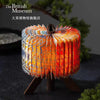
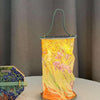
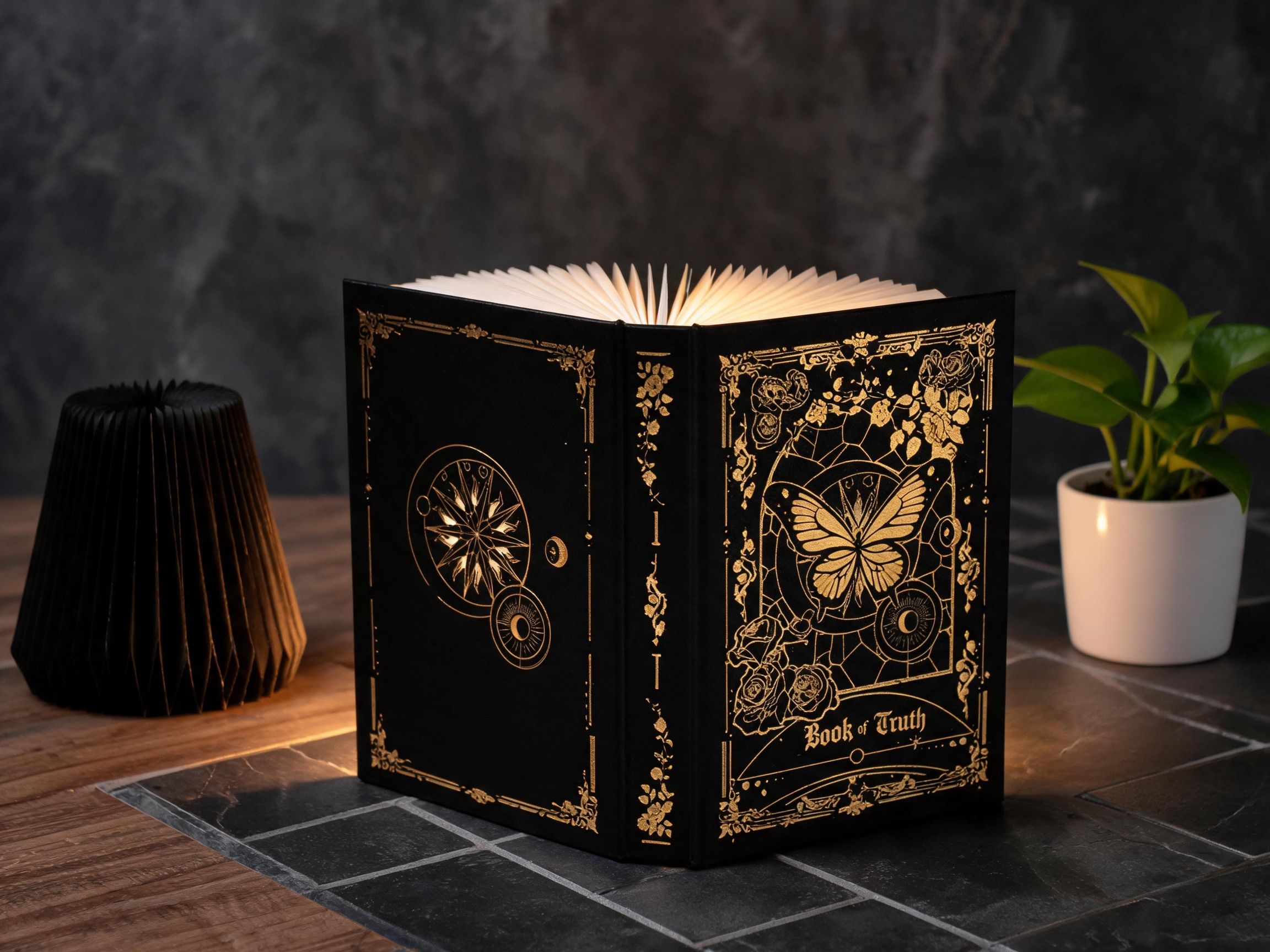
For example, a product that combines home décor and lighting can immediately communicate two forms of value.
A product becomes easier to sell when the customer does not need a long explanation.
3. A Successful Product Offers Clear Value
Value does not always mean solving a major problem.
A product can offer value through:
- Practical use
- Convenience
- Entertainment
- Decoration
- Emotional connection
- Personalization
- Status
- Gifting
The important question is:
Why should someone spend money on this product?
If the answer is unclear, the product may struggle.
The strongest products usually have a clear reason to exist.
Sometimes that reason is practical.
Sometimes it is emotional.
Often, it is both.

4. Good Design Makes Products Easier to Sell
Design is not simply about making a product look attractive.
Good design can influence:
- First impressions
- Perceived quality
- Perceived value
- Ease of use
- Gift appeal
- Brand recognition
A well-designed product may feel more premium even when its production cost is relatively low.
This is particularly important in categories such as:
- Home décor
- Lifestyle products
- Gifts
- Accessories
- Consumer products
In many retail categories, customers are not only buying function.
They are also buying how the product makes them feel.
5. Differentiation Gives Customers a Reason to Choose You
One of the biggest challenges in retail is competition.
If ten products look almost identical, customers often choose based on price.
That can quickly reduce margins.
Differentiation gives retailers and brands another way to compete.
A product can be differentiated through:
- Original design
- Unique functionality
- Custom artwork
- Better materials
- Personalization
- Packaging
- Storytelling
- Licensing
- Limited editions
The best question to ask is:
“Why would a customer choose this product instead of a similar product?”
The answer should be easy to explain.

6. Successful Products Often Combine Function and Emotion
Some products are useful but not exciting.
Others are visually interesting but have little practical value.
Products that combine both can have a stronger advantage.
For example:
A decorative object may attract attention.
A decorative object that also provides useful lighting offers an additional reason to purchase.
This combination creates:
Functional Value + Emotional Value
Customers may buy the product because they need it.
Or because they simply like it.
When a product can satisfy both motivations, its potential market becomes larger.
7. The Right Price Is About Perceived Value
A lower price does not automatically mean more sales.
Customers often compare what they receive with what they pay.
This is perceived value.
A product may successfully sell at a higher price if customers believe it offers:
- Better quality
- Better design
- Unique features
- Strong branding
- Personalization
- A meaningful story
- Limited availability
The goal is not always to create the cheapest product.
It is to create a product where customers think:
“This is worth the price.”
For retailers, this can also support healthier margins.
8. Products With a Story Can Be More Memorable
Storytelling can increase the perceived value of a product.
A story may come from:
- An artist
- A famous location
- A cultural tradition
- A historical event
- A collaboration
- A brand's history
- A creative concept
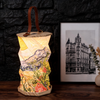
For example, a home décor product featuring artwork inspired by a famous city is more than just a decorative object.
It can also represent:
A Place + A Memory + A Story
This can be particularly valuable for:
- Gift shops
- Museum stores
- Tourist retail
- Art brands
- Lifestyle stores
The story gives customers something to connect with beyond the physical product.
9. Easy Demonstration Can Increase Sales
Some products become much easier to sell when customers can see them in action.
Products that:
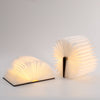
- Unfold
- Rotate
- Light up
- Change shape
- Reveal hidden features
- Transform in some way
can create an immediate reaction.
This is particularly valuable in physical retail.
A quick demonstration can communicate the product's value faster than a long explanation.
The easier a product is to demonstrate, the easier it may be for:
- Store staff
- Sales representatives
- Retail buyers
- Social media creators
to communicate why it is interesting.
10. Successful Products Can Work Across Multiple Sales Channels
A strong retail product may have more than one potential market.
For example, the same product could potentially be sold through:
- Gift shops
- Home décor stores
- Museum stores
- Tourist shops
- Department stores
- Online marketplaces
- Specialty retailers
This does not mean every product needs to fit every channel.
However, products with flexible positioning can create more opportunities.
A decorative product may also be a gift.
A souvenir may also be home décor.
A functional product may also be an impulse purchase.
The more natural purchasing situations a product has, the greater its potential market.
11. Customization Can Create Exclusive Retail Products
Retailers do not always want products that are available to every competitor.
Customization can help create exclusivity.
Possible options include:
- Exclusive artwork
- Local landmarks
- Regional themes
- Holiday collections
- Artist collaborations
- Licensed designs
- Custom packaging
This allows a retailer to create something customers cannot easily find elsewhere.
Exclusivity can be particularly valuable for retailers trying to build a stronger identity and reduce direct price competition.
12. Successful Products Encourage More Than One Purchase
Some of the strongest retail products are not designed as one-off purchases.
They can become collections.
For example:
Cities Collection
Customers collect different destinations.
Artist Collection
Customers purchase different designs.
Holiday Collection
New versions are released every year.
Seasonal Collection
Products change throughout the year.
A collection can create repeat purchasing opportunities.
Instead of asking customers to buy the same product again, retailers give them a reason to discover the next design.
How to Evaluate Whether a Product Can Succeed
Before launching or purchasing a new retail product, ask these questions.
Does It Stand Out?
Can customers notice it in a crowded store or online marketplace?
Is the Value Easy to Understand?
Can someone explain the product in one sentence?
Does It Solve a Problem or Create an Emotional Reaction?
A strong product should offer at least one of these.
Is It Different From Existing Products?
There should be a clear reason to choose it.
Does the Price Match the Perceived Value?
Customers should feel that the product is worth what they are paying.
Is It Easy to Demonstrate?
Visual or interactive products may be easier to sell.
Can It Be Customized?
Customization can create exclusive opportunities for retailers.
Would Someone Buy It for Themselves?
Products with both self-purchase and gifting potential can reach a wider audience.
Common Reasons Retail Products Fail
The Product Looks Too Similar to Everything Else
Without differentiation, price often becomes the only competitive advantage.
Customers Do Not Understand It
A complicated value proposition can reduce sales.
The Price Does Not Match the Perceived Value
A product may be well made but still feel too expensive.
The Product Has No Emotional Connection
Customers may see it but feel no reason to own it.
The Product Is Difficult to Demonstrate
If the value is hidden, customers may never discover it.
The Product Has No Clear Target Customer
Trying to appeal to everyone can make positioning difficult.
The Retailer Cannot Tell a Clear Story
A good story can help transform a product into something memorable.
Expert Tip
One of the most useful questions in product development is:
“What would make someone stop and choose this product?”
The answer should not simply be:
“Because it is available.”
A successful product usually has a stronger reason.
Maybe it is:
- More useful
- More beautiful
- More personal
- More interesting
- More exclusive
- More memorable
The clearer that reason is, the easier the product becomes to market and sell.
Key Takeaway
A successful retail product is rarely successful because of one single factor.
The strongest products usually combine:
Attention + Clear Value + Good Design + Differentiation + Strong Perceived Value
The product should be easy to understand, attractive enough to stand out, and valuable enough for customers to believe it is worth buying.
The most successful products often create both a practical and emotional reason to purchase.
Customers do not just understand what the product does.
They can immediately imagine:
Where they would use it.
Who they would give it to.
Or simply:
Why they want it.
That is what turns a product from something sitting on a shelf into something that sells.
Related Articles
- Best Selling Gift Shop Products
- What Products Sell Best in Gift Shops?
- What Makes a Product Easy to Sell?
- Why Do Some Products Become Best Sellers?
- What Products Have High Profit Margins?
- How Do Retailers Choose New Products?
- What Products Encourage Impulse Purchases?
- What Products Increase Basket Size?
- Why Are Lifestyle Products Becoming Popular?
- Why Is Home Décor Becoming a Fast-Growing Gift Category?
About the Author
This article was written by professionals with experience in product development, retail, wholesale, customized manufacturing, and international consumer markets. Through working with retailers, distributors, art brands, and product buyers, the team has developed practical insights into product positioning, customization, retail presentation, and the factors that influence product sell-through.
About DECO
DECO is a creative product manufacturer specializing in customized decorative lighting, folding lamps, innovative lifestyle products, and creative retail merchandise.
With OEM/ODM manufacturing capabilities, DECO supports customization including original artwork, licensed designs, local landmarks, cultural themes, holiday graphics, brand patterns, exclusive collections, and custom packaging.
By combining creative product development, flexible customization, and manufacturing capabilities, DECO helps retailers, wholesalers, art brands, museum stores, souvenir shops, and lifestyle brands develop distinctive products designed for gift retail, home décor, seasonal collections, art merchandise, and everyday lifestyle markets.