What Products Encourage Impulse Purchases?
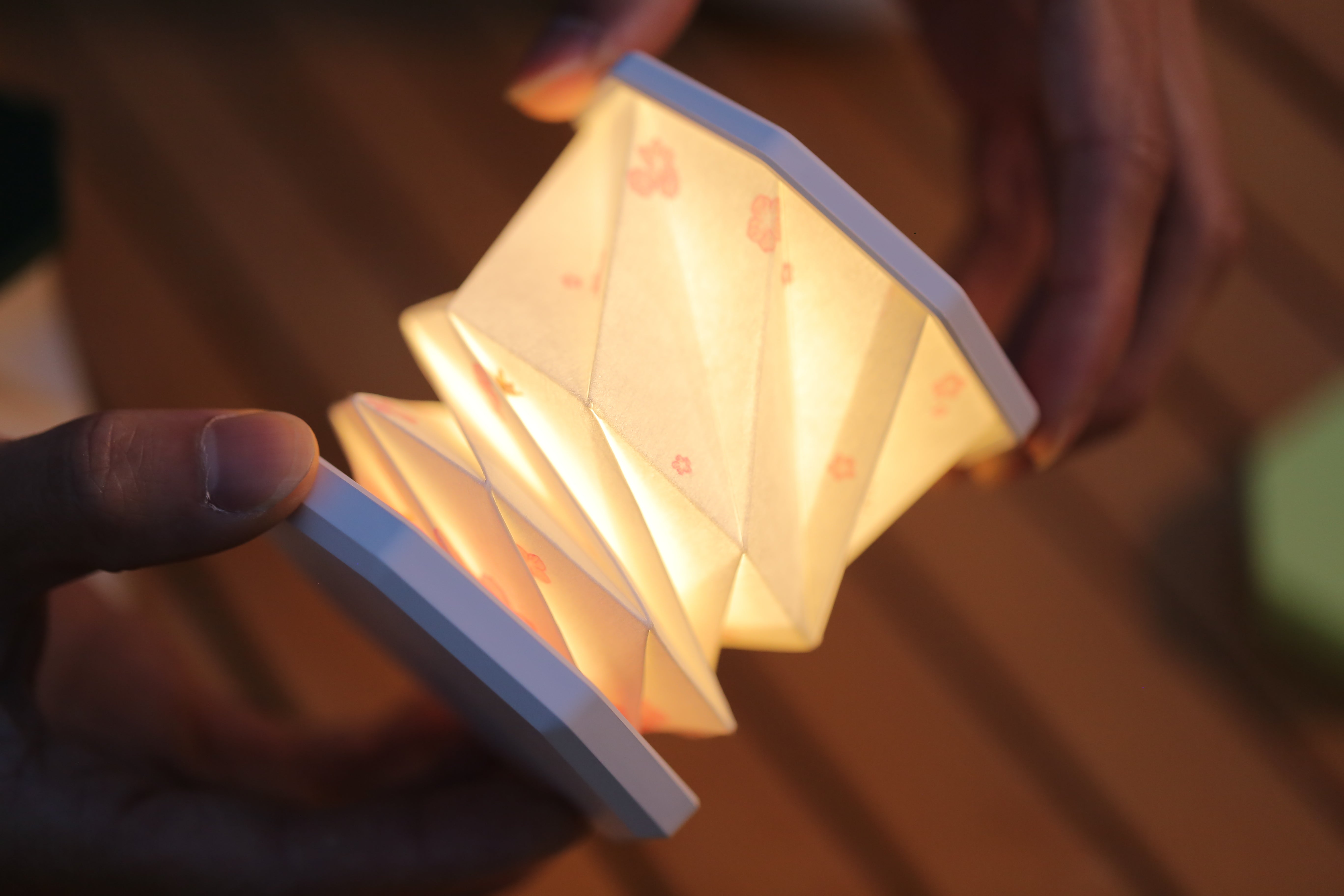
What Products Encourage Impulse Purchases?
The Best-Selling Products Are Often the Ones Customers Never Planned to Buy
Think about the last time you walked into a gift shop, bookstore, museum store, or home décor boutique.
Did you buy only what you intended?
Probably not.
Perhaps a beautifully designed lamp caught your attention. Maybe you picked up a stylish notebook, an artistic mug, or a small decorative item while waiting to pay.
These unplanned purchases are known as impulse purchases, and they account for a significant share of retail sales across many industries.
For retailers, understanding what encourages impulse buying can lead to higher average order values and a better customer experience.

Short Answer
Products that encourage impulse purchases are usually visually attractive, affordable, easy to understand, emotionally appealing, and simple to carry. Items that create curiosity, solve small everyday problems, or feel like thoughtful gifts are especially likely to be purchased spontaneously.
They Capture Attention Immediately
Customers make purchasing decisions quickly.
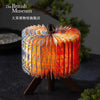
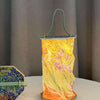
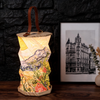
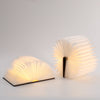
Products with unusual shapes, warm lighting, creative packaging, or distinctive colors naturally attract attention.
If a product stands out visually, shoppers are more likely to stop and take a closer look.
They Have a Clear Purpose
Customers rarely make impulse purchases when they don't understand a product.
Successful impulse-buy items communicate their value within seconds.
People should immediately recognize:
- What it is
- How it works
- Why they might enjoy it
Simple ideas often sell best.

They Feel Affordable
Impulse purchases are usually low-risk decisions.
Customers are much more willing to make spontaneous purchases when the price feels reasonable compared to the enjoyment or usefulness they expect.
The goal isn't necessarily to be inexpensive—it's to offer obvious value.
They Create an Emotional Response
Many impulse purchases happen because a product makes someone smile.
A product may remind them of a trip, match their home style, celebrate a hobby, or simply feel fun.
Emotion is often a stronger buying trigger than logic.
They Make Great Gifts
Products that are easy to give naturally encourage spontaneous buying.
Customers frequently think:
"This would be perfect for a friend."
or
"Someone in my family would love this."
Giftable products often perform well throughout the year, not only during holiday seasons.
They Are Easy to Carry
Compact products have a clear advantage.
Shoppers are more likely to purchase something they can easily carry while continuing to browse.
This is one reason why gift shops, museum stores, airports, and bookstores often focus on lightweight products.

They Look Good on Display
Even the best product can struggle if it isn't displayed effectively.
Impulse purchases increase when products are:
- Positioned near checkout counters
- Grouped into themed collections
- Displayed with warm lighting
- Supported by attractive packaging
- Easy to touch and examine
Presentation strongly influences buying behavior.
They Feel Different from Everyday Products
Customers don't usually make impulse purchases of ordinary household items.
They're looking for something unique.
Creative home décor, artistic lighting, locally inspired souvenirs, limited editions, and personalized gifts all stand out because they offer experiences rather than simple utility.
Why Original Design Matters
In today's retail environment, consumers have countless options.
Original products naturally create curiosity because they offer something shoppers haven't seen before.
Products with distinctive design are more likely to:
- Be picked up
- Be photographed
- Be shared on social media
- Become conversation starters
- Be remembered after the purchase
This creates value that goes beyond the product itself.
Questions Retailers Should Ask
Before introducing a new product, consider:
- Does it attract attention quickly?
- Is its purpose obvious?
- Does it create an emotional response?
- Is it easy to gift?
- Is it compact and convenient?
- Would someone buy it even without planning to?
If the answer is yes, the product has strong impulse-buy potential.
Expert Tip
Retailers often believe impulse purchases happen by chance.
In reality, they are carefully designed.
The combination of product design, pricing, placement, packaging, and storytelling all contributes to a customer's decision to make an unplanned purchase.
The best impulse-buy products make customers feel delighted rather than persuaded.
Key Takeaway
Impulse purchases are driven by emotion, curiosity, and perceived value. Products that are visually appealing, practical, giftable, and easy to understand naturally encourage spontaneous buying decisions. Retailers who carefully select and merchandise these products can increase average transaction values while creating a more enjoyable shopping experience.
Related Articles
- What Makes a Retail Product Successful?
- What Products Sell Best in Gift Shops?
- What Products Have High Profit Margins?
- Top Home Décor Trends Retailers Should Watch
- How to Increase Gift Shop Sales (建议新增)
- How Store Displays Influence Customer Buying Decisions (建议新增)
About the Author
This article was written by professionals with experience in retail merchandising, product development, and consumer buying behavior. By working with gift shops, museum stores, home décor retailers, and international distributors, the team has gained practical insight into the product characteristics that encourage spontaneous purchases and improve retail performance.
About DECO
DECO designs and manufactures creative retail products, decorative lighting, folding lamps, and customized gift collections for retailers worldwide. Combining original design, OEM/ODM manufacturing, premium packaging, and flexible customization, DECO helps businesses develop products that capture attention, inspire impulse purchases, and create memorable shopping experiences.