What Products Sell Best in Gift Shops?

What Products Sell Best in Gift Shops?
The Best-Selling Gift Shop Products Usually Do More Than Just Look Interesting
Gift shops compete for attention in a very different way from supermarkets or traditional retail stores.
Customers often enter a gift shop without knowing exactly what they want to buy.
They may be looking for:
- A birthday gift
- A souvenir
- A holiday present
- A small item for themselves
- Something connected to a local destination
- A unique product they have not seen before
This means the most successful gift shop products often need to create an immediate reaction.
The customer sees the product and thinks:
“This would make a great gift.”
or:
“I want one of these.”
The best-selling products usually combine:
Visual Appeal + Giftability + Practical Use + Emotional Connection + Appropriate Price

Short Answer
Products that often perform well in gift shops include:
- Unique souvenirs
- Home décor
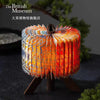
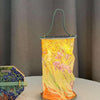
- Decorative lighting
- Personalized products
- Products featuring local landmarks
- Art and illustration products
- Seasonal and holiday gifts
- Small lifestyle accessories
- Novelty products with practical functions
- Collectible and limited-edition items
The strongest products are usually easy to understand, visually distinctive, reasonably priced, and suitable for gifting.
Why Do Some Products Sell Better in Gift Shops?
Gift shop customers often make emotional purchasing decisions.
Unlike a customer buying a household necessity, someone shopping for a gift may be attracted by:
- A story
- A visual design
- A local connection
- A personal memory
- A seasonal theme
- A surprising function
A product does not always need to solve a major problem.
Sometimes, the value comes from making someone smile or helping them remember a place, person, or occasion.
That is why design and storytelling can be just as important as functionality in gift retail.

1. Products Connected to Local Landmarks
Souvenirs remain an important category for gift shops, particularly in:
- Tourist destinations
- Museums
- Airports
- Visitor centers
- Hotels
- Cultural attractions
However, modern souvenir products are moving beyond traditional magnets and keychains.
Gift shops can develop products featuring:
- Famous buildings
- City skylines
- Local landscapes
- Cultural symbols
- Historic locations
- Famous artwork
The key is to turn a recognizable image into something customers actually want to use or display.
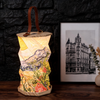
For example, a decorative home product featuring artwork inspired by a famous city can work as both a souvenir and a lifestyle product.
2. Art and Illustration Products
Art-driven products can perform well because they offer something that standard retail products cannot easily provide.
Gift shops can work with:
- Local artists
- Illustrators
- Museums
- Art publishers
- Cultural institutions
- Licensed artwork owners
Artwork can be applied to products such as:
- Decorative lighting
- Home accessories
- Stationery
- Bags
- Lifestyle products
- Collectible items
A strong piece of artwork can create multiple products from one design.
This makes art licensing and custom artwork particularly interesting for retailers looking to develop exclusive collections.

3. Decorative Home Products
Home décor has become an increasingly important category for gift-oriented retail.
Customers often look for products that are:
- Useful
- Attractive
- Easy to display
- Easy to give as gifts
Popular directions include:
- Decorative lighting
- Small home accessories
- Artistic objects
- Table décor
- Functional home products
The strongest products often sit between two categories:
Home Product + Gift Product
This gives customers more than one reason to buy.
They may purchase the item as a gift, but they may also buy one for themselves.
4. Products That Create a “Wow” Moment
In gift retail, products that create an immediate reaction can have a strong advantage.
This could happen through:
- An unexpected transformation
- An unusual opening mechanism
- A surprising function
- Interactive design
- Unique packaging
- A creative visual effect
The product should be easy to demonstrate.
If a customer can understand the product within a few seconds and immediately see why it is interesting, it has a stronger chance of generating impulse purchases.
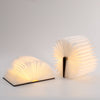
Products that change shape, light up, unfold, rotate, or reveal hidden designs can be particularly effective in this environment.

5. Functional Products With Creative Design
Purely decorative products may attract attention, but functionality can give customers an additional reason to buy.
For example:
A decorative object is interesting.
But:
A decorative object that also provides useful lighting has two reasons to be purchased.
Products that combine function and creativity can work particularly well because they offer:
Practical Value + Emotional Value
Examples include:
- Decorative lamps
- Creative desk accessories
- Artistic storage products
- Multi-function lifestyle products
- Unique travel accessories
The product should still have a clear purpose.
A creative concept is stronger when customers can immediately understand how they will use it.
6. Personalized Products
Personalization can increase the perceived value of gift shop products.
Customers may want to add:
- Names
- Initials
- Dates
- Messages
- Location names
Personalized products are particularly suitable for:
- Birthdays
- Weddings
- Anniversaries
- Travel memories
- Holiday gifts
A relatively simple product can become more meaningful when the customer can make it personal.
For retailers, personalization can also create an additional opportunity to differentiate products from items widely available online.
7. Seasonal and Holiday Products
Seasonal products can create strong sales opportunities because they come with a natural buying deadline.
Popular themes include:
- Christmas
- Halloween
- Valentine's Day
- Easter
- Mother's Day
- Father's Day
Holiday products can include:
- Seasonal artwork
- Limited-edition designs
- Decorative lighting
- Collectibles
- Home décor
- Gift sets
Limited availability can also encourage customers to make faster purchasing decisions.
A Christmas product, for example, does not need to compete with every product available throughout the year.
It becomes part of a specific seasonal shopping experience.
8. Products With a Story
Customers are often more interested in products when they understand where the design came from.
A story could involve:
- A local artist
- A famous painting
- A historical event
- A cultural tradition
- A city landmark
- A collaboration
For example, instead of simply selling a lamp, a retailer could explain that the artwork was inspired by a famous local landmark.
The product then becomes more than an object.
It becomes:
Product + Story + Memory
This can be especially valuable for museum shops, tourist stores, and art-focused retailers.

9. Collectible and Limited-Edition Products
Limited editions can encourage repeat purchases.
Customers may be interested in collecting:
- Different cities
- Different artists
- Different holiday designs
- Different cultural themes
- Numbered editions
For retailers, collections can create opportunities for customers to return.
Instead of purchasing only one product, customers may want to collect several versions.
A product line can be developed around themes such as:
Cities of the World
Famous Paintings
Holiday Collection
Local Artists Series
Seasonal Limited Editions
10. Small Products With Strong Perceived Value
Gift shops often benefit from products at different price levels.
Not every customer is looking for an expensive gift.
Smaller products can encourage impulse purchases.
However, low price should not mean low perceived value.
A small product can still feel special through:
- Attractive packaging
- Creative design
- Custom artwork
- Personalization
- Limited editions
A product that looks more valuable than its actual price can be particularly effective near checkout areas.
11. Products Customers Buy for Themselves
One of the strongest gift shop products can appeal to two different buyers.
The customer may initially see it as:
“This would make a great gift.”
But then think:
“I want one for myself too.”
This is especially common with:
- Home décor
- Decorative lighting
- Art products
- Lifestyle accessories
- Collectible products
Retailers should not think only about whether a product is giftable.
The best products often have both:
Gift Appeal + Self-Purchase Appeal
This can significantly expand the potential customer base.
12. Compact and Easy-to-Carry Products
Packaging and product size are particularly important for:
- Tourist shops
- Airport stores
- Museum stores
- Travel destinations
Customers may hesitate to buy products that are difficult to transport.
Compact products can offer advantages because they are easier to:
- Carry
- Pack
- Ship
- Display
- Store
A product that transforms from a compact package into a larger or more visually impressive item can be especially attractive in travel retail.
What Should Gift Shop Owners Look for When Choosing Products?
Before introducing a new product, retailers should ask several important questions.
Does It Attract Attention?
The product should stand out in a crowded retail environment.
Is It Easy to Understand?
Customers should quickly understand what it is and why it is interesting.
Does It Make a Good Gift?
The product should be suitable for common gifting occasions.
Can Customers Buy It for Themselves?
Products with both gift and self-purchase potential may have broader appeal.
Does It Have a Story?
Artwork, cultural connections, local landmarks, and collaborations can increase perceived value.
Is It Easy to Display?
Retail space is valuable. Products should be easy to merchandise.
Is It Easy to Carry?
Compact products can be particularly suitable for tourists and travelers.
Can It Be Customized?
Customization can help retailers create exclusive products that are not available everywhere.
Common Mistakes When Choosing Gift Shop Products
Choosing Products That Look Interesting but Have No Clear Value
Novelty may attract attention, but customers still need a reason to buy.
Selling Products That Are Available Everywhere
Exclusive designs and customization can help retailers differentiate.
Ignoring Packaging
Packaging often plays an important role in gift purchases.
Choosing Products That Are Difficult to Demonstrate
Products that require a long explanation may struggle in busy retail environments.
Focusing Only on Low Prices
A slightly higher-priced product with stronger perceived value may generate better margins.
Forgetting About the Retail Display
A good product should also look attractive when displayed with other products.
Expert Tip
One of the most useful questions for a gift shop buyer is:
“Can this product make someone stop, look, and immediately imagine who they could buy it for?”
If the answer is yes, the product already has strong gift potential.
The next question is:
“Would they also want to buy one for themselves?”
Products that succeed in both situations can have a significant advantage in gift retail.
Key Takeaway
The products that sell best in gift shops are often those that combine:
Visual Appeal + Giftability + Practical Use + Emotional Connection + Storytelling
Strong categories include souvenirs, art products, home décor, decorative lighting, personalized products, seasonal collections, and limited editions.
The most successful products are not always the cheapest or the most complicated.
They are the products that make customers immediately think:
“This is something special.”
And ideally:
“I know exactly who would love this.”
Related Articles
- What Makes a Retail Product Successful?
- What Makes a Product Easy to Sell?
- What Products Have High Profit Margins?
- What Products Increase Basket Size?
- Why Is Home Décor Becoming a Fast-Growing Gift Category?
- What Makes Modern Gifts Different?
- Why Are Lifestyle Products Becoming Popular?
- How Do Retailers Choose New Products?
- What Products Encourage Impulse Purchases?
- Why Do Some Products Become Best Sellers?
About the Author
This article was written by professionals with experience in product development, gift retail, customized product manufacturing, and international wholesale. Through working with retailers, distributors, art brands, and product buyers, the team has developed practical insights into product selection, retail presentation, customization, and the factors that influence gift product sales.
About DECO
DECO is a creative product manufacturer specializing in customized decorative lighting, folding lamps, innovative lifestyle products, and creative retail merchandise.
With OEM/ODM manufacturing capabilities, DECO supports customization including original artwork, famous paintings, licensed designs, local landmarks, cultural themes, holiday graphics, brand patterns, and custom packaging.
By combining creative product development, flexible customization, and large-scale manufacturing, DECO helps retailers, wholesalers, art brands, museum stores, souvenir shops, and lifestyle brands develop distinctive products designed for gift retail, home décor, seasonal collections, and everyday lifestyle markets.