What Sells Best in Museum Gift Shops?

What Sells Best in Museum Gift Shops?
Museum Visitors Want More Than a Souvenir
A museum gift shop is different from an ordinary retail store.
Visitors are often looking for something that helps them remember an exhibition, artwork, artist, or cultural experience.
The strongest museum products usually connect the visitor to something they have just seen.
A successful museum gift can combine:
Art + Story + Function + Memory

Short Answer
Some of the best-selling products in museum gift shops include:
- Art-inspired merchandise
- Exhibition-specific souvenirs
- Artist collaborations
- Books and stationery
- Decorative home products
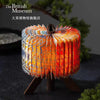
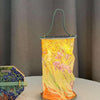
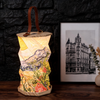
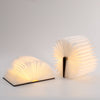
- Creative lighting
- Collectibles
- Postcards and prints
- Cultural and destination products
- Small giftable items
The most successful products often transform art or cultural content into something visitors can use, display, collect, or give as a gift.
1. Art-Inspired Products
Art is one of the biggest advantages a museum has.
Museum stores can transform artwork into products such as:
- Decorative items
- Lighting
- Home accessories
- Stationery
- Accessories
- Collectibles
A familiar artwork can become more accessible when it is applied to an everyday product.
Instead of simply reproducing a painting, retailers can ask:
How can this artwork become part of everyday life?

2. Exhibition-Specific Products
Temporary exhibitions create a strong opportunity for limited merchandise.
Visitors may want something connected specifically to the exhibition they just experienced.
Popular directions include:
- Exhibition posters
- Limited-edition products
- Custom artwork
- Collectible designs
- Small souvenirs
- Artist collaborations
These products can create urgency because they may only be available during the exhibition period.
3. Products Featuring Famous Artworks
Well-known artworks can have strong recognition value.
Visitors may already feel emotionally connected to a painting, artist, or historical image.
Products featuring recognizable artwork can include:
- Prints
- Home décor
- Decorative lighting
- Stationery
- Small accessories
- Collectible products
The key is to avoid making the product feel like a simple image reproduction.
Good product design can help turn artwork into something customers genuinely want to use or display.
4. Artist Collaboration Products
Collaborating with contemporary artists can help museum stores create exclusive collections.
For example:
One Artist
↓
Multiple Product Designs
↓
Limited Collection
↓
New Exhibition Collaboration
This creates opportunities for customers to collect products and return for future collaborations.
Artist collaborations can also help museums offer merchandise that feels exclusive to their institution.

5. Decorative Home Products
Many museum visitors are interested in design and aesthetics.
This makes decorative products a natural fit.
Popular categories can include:
- Table décor
- Decorative lighting
- Art objects
- Creative home accessories
- Sculptural products
The strongest products often feel like something customers would be happy to display at home—even without obvious museum branding.
6. Small Products With Strong Design
Not every museum visitor wants to purchase a large or expensive item.
Small products can provide an accessible entry point.
Examples include:
- Mini collectibles
- Art accessories
- Small decorative products
- Stationery
- Compact lighting
- Creative souvenirs
These products are also easier for tourists to carry and can work well as impulse purchases.
7. Collectible Museum Products
Collectibility can create repeat purchases.
A museum can develop collections based on:
- Different artworks
- Famous artists
- Historical periods
- Exhibition themes
- Architectural landmarks
For example:
One Product + Ten Artworks = A Collectible Series
Visitors may initially purchase one design and later return for others.
8. Products That Tell a Cultural Story
The strongest museum products often give customers something more than a logo.
They communicate a story.
That story may come from:
- An artist
- A historical period
- A cultural tradition
- An archaeological discovery
- An architectural landmark
When a product has a story, it can become easier for visitors to understand why it is special.
9. Products That Are Easy to Carry
Museum visitors may be tourists.
This makes portability important.
Compact products are easier to:
- Carry around the museum
- Pack into luggage
- Take home
- Give as gifts
A product with a strong visual impact but compact packaging can be particularly suitable for museum retail.

What Makes a Museum Gift Shop Product Successful?
Before introducing a new product, museum buyers can ask:
Does It Connect to the Museum or Exhibition?
The strongest products often have a clear cultural or artistic connection.
Does It Have a Story?
A story can increase emotional value.
Is It More Than a Generic Souvenir?
Visitors should feel they are buying something distinctive.
Can It Be Displayed at Home?
Products with decorative value can continue reminding customers of their museum experience.
Is It Easy to Carry?
Compact products are particularly useful for tourists.
Can It Become a Collection?
Multiple artworks or designs can encourage repeat purchases.
Expert Tip
One of the strongest opportunities in museum retail is to think beyond traditional souvenirs.
Instead of:
Artwork → Postcard
Consider:
Artwork → Useful Product
Artwork → Home Décor
Artwork → Collectible
Artwork → Limited Edition
This approach allows museums and cultural institutions to create products that remain connected to the original artwork while offering more value in everyday life.
Key Takeaway
What sells best in museum gift shops often comes down to one important idea:
Visitors want to take part of the experience home.
Strong museum retail products often combine:
Art
Story
Design
Function
Collectibility
Giftability
Art-inspired home décor, creative lighting, artist collaborations, exhibition merchandise, collectibles, and compact souvenirs all offer opportunities for museum stores to create products that visitors want to keep, display, collect, or give as gifts.
Related Articles
- Best Products for Gift Shops
- Gift Shop Best Sellers
- Gift Shop Buying Guide
- Gift Shop Display Ideas
- What Products Sell Best in Gift Shops?
- Best Products for Independent Retailers
- Retail Product Trends
About the Author
This article was written by professionals with experience in product development, museum retail, cultural merchandise, wholesale, and creative consumer products. The team works with retailers, cultural institutions, art brands, museum stores, souvenir shops, and product buyers to develop products that combine design, storytelling, and retail potential.
About DECO
DECO is a creative product manufacturer specializing in customized decorative lighting, folding lamps, art-inspired products, and creative retail merchandise.
Through OEM/ODM manufacturing, DECO supports artwork customization, artist collaborations, exhibition collections, cultural themes, destination designs, exclusive products, and retail-ready packaging for museum stores, art brands, cultural institutions, retailers, wholesalers, and souvenir shops.