Wholesale Bookstore Gifts: 15 Product Categories Bookstores Can Explore in 2027
Wholesale Bookstore Gifts: 15 Product Categories Bookstores Can Explore in 2027
Introduction
A modern bookstore sells more than books.
Independent bookstores, museum bookstores, university bookstores, cultural bookstores, and destination bookshops increasingly use merchandise to extend the reading experience beyond the shelves.
For buyers, however, the challenge is not simply finding products that can be placed near the checkout counter.
The better question is:

What wholesale bookstore gifts actually make sense for a bookstore's customers and brand?
The strongest products usually have a connection to books, reading, art, culture, creativity, place, or lifestyle. They should also be visually attractive, easy to display, and appropriate for the store's price structure.
Here are 15 product categories bookstores can explore for 2027.
1. Bookish Gifts
Book-related products are the most obvious starting point for bookstore merchandise.
Examples include:
- Bookmarks
- Book sleeves
- Reading accessories
- Literary-themed décor
- Book-related stationery
- Reading-themed collectibles
- Book-inspired home accessories
The goal is not simply to put a book graphic on a product. Good bookstore merchandise should appeal to the identity of someone who enjoys reading.

2. Decorative Bookstore Lighting
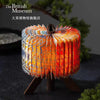
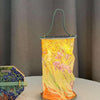
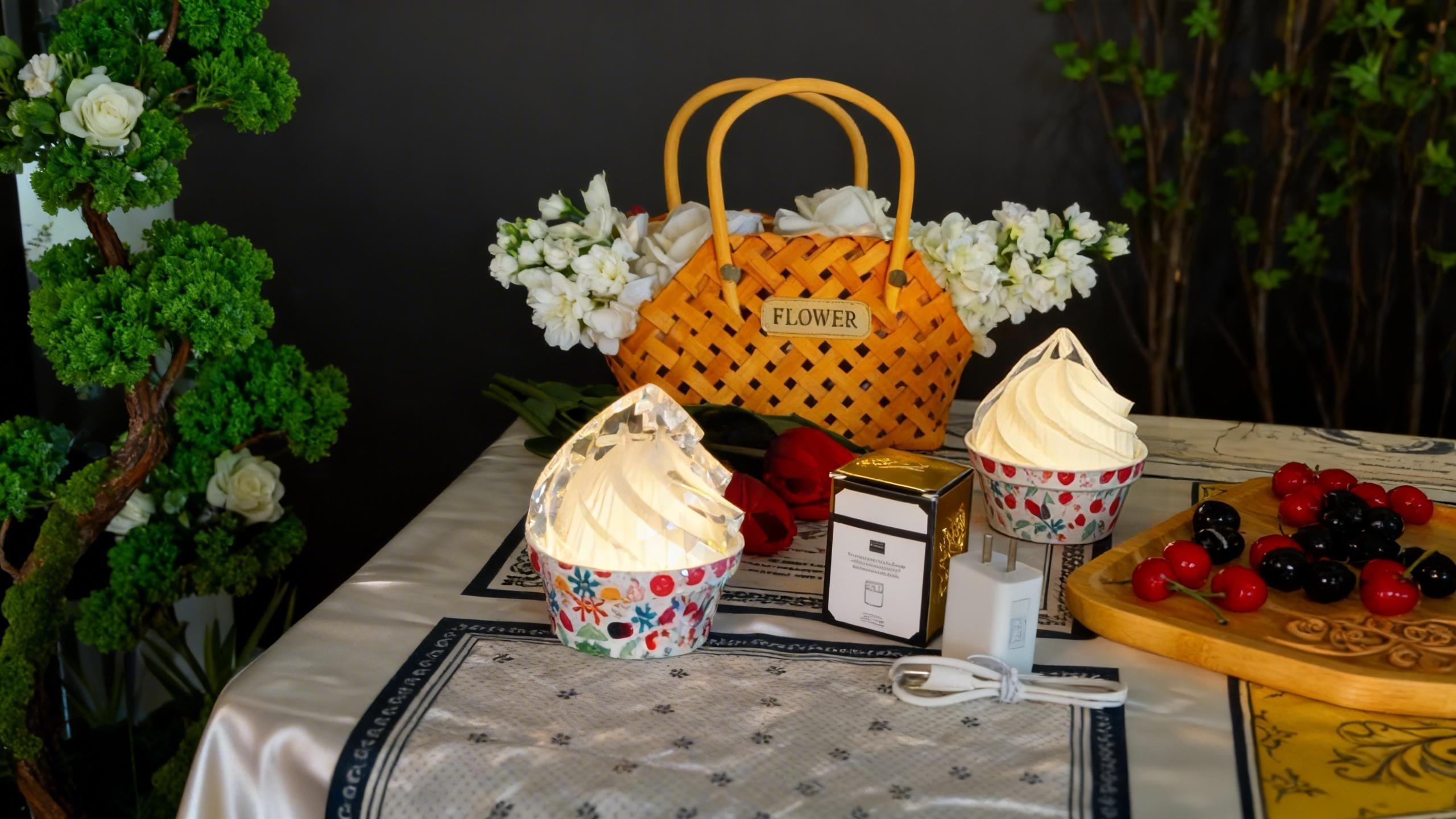
Decorative lighting is an interesting category because it connects books, atmosphere, design, and function.
Bookstores can explore:
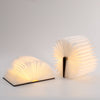
- Reading lamps
- Decorative table lamps
- Portable lamps
- Rechargeable lamps
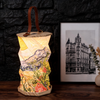
- Paper or folding lamps
- Artwork-inspired lighting
- Literary-themed lighting
A well-designed lamp can work both as a gift and as a piece of home décor, giving it value beyond the bookstore environment.
For bookstores with strong visual merchandising, lighting can also become part of the in-store experience.
3. Bookmarks and Reading Accessories
Bookmarks remain one of the easiest bookstore products to merchandise.
Potential styles include:
- Metal bookmarks
- Wooden bookmarks
- Paper bookmarks
- Illustrated bookmarks
- Literary quotes
- Artist-designed bookmarks
- Destination-themed bookmarks
Their relatively small size also makes them suitable for checkout displays and affordable add-on purchases.
4. Stationery and Journaling Products
Readers and writers naturally overlap, making stationery a strong complementary category.
Bookstores can consider:
- Notebooks
- Journals
- Sketchbooks
- Writing sets
- Pens
- Greeting cards
- Desk accessories
- Reading journals
Artist illustrations, literary themes, local artwork, and bookstore-exclusive designs can give ordinary stationery a stronger retail identity.

5. Artwork-Inspired Gifts
Many bookstore customers are also interested in art and visual culture.
Possible products include:
- Art prints
- Artwork-inspired home décor
- Artist-designed stationery
- Decorative objects
- Artwork-based lighting
- Illustrated accessories
- Artist collaboration products
This category is particularly relevant to museum bookstores and cultural institutions, where artwork can provide the foundation for an entire merchandise collection.
When artwork, artist names, characters, or other protected intellectual property are involved, appropriate licensing and permissions should be confirmed before production.
6. Literary and Author-Themed Products
Bookstores can create merchandise around specific literary themes, authors, genres, or reading communities.
Examples include:
- Classic literature collections
- Poetry-inspired products
- Literary quote products
- Children's literature merchandise
- Genre-themed accessories
- Author collaborations
- Reading-club products
For licensed properties, retailers should confirm rights before using protected characters, artwork, names, or other intellectual property.
7. Museum Bookstore Products
Museum bookstores operate at the intersection of books, art, culture, and retail.
Their merchandise can include:
- Artwork-inspired lighting
- Exhibition products
- Museum collectibles
- Architecture-inspired products
- Artist collaborations
- Cultural home décor
- Destination products
- Educational merchandise
A useful approach is to start with the museum's collection or exhibition and then ask:
What products could translate this story into something visitors can take home?
8. Local and Destination-Inspired Gifts
Independent bookstores often have a strong connection with their city or region.
This creates opportunities for products inspired by:
- Local landmarks
- Architecture
- Regional landscapes
- Local artists
- Historical sites
- Cultural traditions
- City illustrations
A bookstore in a tourist destination can therefore serve as both a book retailer and a cultural retail destination.
9. Literary Home Décor
Home décor can extend the bookstore experience into the customer's living space.
Potential products include:
- Decorative lamps
- Wall décor
- Bookends
- Sculptural objects
- Decorative trays
- Vases
- Small accent pieces
- Reading-corner accessories
The strongest products usually avoid looking like simple promotional merchandise and instead feel like genuine home décor.
10. Bookends and Desk Accessories
Bookends are particularly relevant because they connect directly to the physical act of displaying books.
Other related products include:
- Desk organizers
- Pen holders
- Paperweights
- Book stands
- Reading stands
- Small decorative objects
These products can appeal to both readers and home-office customers.
11. Children's Bookstore Gifts
Children's bookstores and children's sections can support a separate merchandise category.
Possible products include:
- Illustrated lamps
- Night lights
- Educational accessories
- Character-inspired products
- Creative activity products
- Children's stationery
- Small collectibles
- Nature- and animal-themed décor
For this category, product safety, age suitability, materials, and applicable market requirements should be considered during product development.
12. Reading and Lifestyle Accessories
Bookstores can also target the lifestyle surrounding reading.
Examples include products for:
- Reading corners
- Home libraries
- Study spaces
- Writing desks
- Travel reading
- Relaxation
- Journaling
This allows the bookstore to sell not just a book, but products connected to the experience of reading.
13. Cultural and Heritage Products
Cultural bookstores can develop merchandise around history, heritage, architecture, and traditional visual language.
Examples include:
- Heritage-inspired décor
- Traditional patterns
- Architectural products
- Historical illustrations
- Cultural collectibles
- Local craftsmanship
- Festival-related products
These products are particularly suitable for bookstores associated with cultural institutions, historic sites, universities, and tourism destinations.
14. Collectible and Limited-Edition Products
Limited editions can make bookstore merchandise more distinctive.
Retailers can consider:
- Bookstore-exclusive editions
- Artist collaborations
- Exhibition editions
- Annual collections
- Destination collections
- Numbered products
- Seasonal collections
A limited-edition product can also create a reason for customers to revisit the store rather than making a single purchase.
15. Multifunctional Bookstore Gifts
One of the most interesting directions for bookstore merchandise is combining story, design, and practical use.
Examples include:
- Decorative lamps that also function as reading or ambient lights
- Artwork-based products used as home décor
- Book-inspired desk accessories
- Portable lighting
- Decorative storage
- Functional reading accessories
These products can be more attractive to retailers because they do not depend entirely on the customer being a dedicated book collector.
What Makes a Good Wholesale Bookstore Gift?
Before adding a product to a bookstore collection, buyers should consider several factors.
1. Does it connect to the bookstore?
The product should feel natural within the store's identity.
A bookstore does not need to sell every popular gift category. It needs products that make sense alongside its books and customers.
2. Does it have visual appeal?
Bookstore merchandise often competes with thousands of book covers.
Products need strong shelf appeal and should be easy to understand at a glance.
3. Is there a clear price point?
A healthy bookstore assortment can include:
- Small affordable gifts
- Mid-priced lifestyle products
- Premium collectibles
- Limited editions
This creates options for different customer budgets.
4. Can it be customized?
Customization can be particularly valuable for independent bookstores and cultural institutions.
Possible customization includes:
- Artwork
- Bookstore logo
- Local landmarks
- Artist designs
- Exhibition themes
- Seasonal graphics
- Special packaging
5. Can the product become part of a collection?
A single product may sell well, but a collection can create a much stronger retail story.
For example:
One local landmark → postcard → notebook → print → lamp → collectible
The same visual language can then be used across multiple products.
How Bookstores Can Build a Stronger Gift Collection
Instead of choosing unrelated products one by one, buyers can build collections around a clear theme.
For example:
Reading Collection
Books → bookmarks → journals → reading accessories → lamps
Art Collection
Artwork → print → stationery → decorative object → lighting
Local Collection
Landmark → illustration → notebook → souvenir → home décor
Exhibition Collection
Exhibition theme → publication → artwork product → collectible → limited edition
This approach makes merchandising easier and gives customers a reason to purchase multiple products from the same collection.
Expert Tip: Sell the Reading Lifestyle, Not Just the Book
The most interesting bookstore merchandise often answers a simple question:
What does this customer enjoy doing when they are not holding a book?
They may enjoy decorating a reading corner, collecting art, writing, traveling, visiting museums, exploring local culture, or creating a cozy home environment.
That is where bookstore merchandise can move beyond traditional bookmarks and stationery.
A decorative lamp, artwork-inspired accessory, cultural collectible, or functional desk product can become part of the customer's lifestyle while still maintaining a connection to the bookstore.
Key Takeaway
Wholesale bookstore gifts work best when they extend the bookstore's core identity rather than turning the store into a generic gift shop.
The strongest opportunities can be built around:
Books + Reading + Art + Culture + Place + Lifestyle + Function
For independent bookstores, museum bookstores, cultural institutions, and destination bookshops, this creates room for products that are not only giftable but also collectible, decorative, and meaningful.
For manufacturers, the opportunity is to develop products around a bookstore's specific artwork, local identity, literary theme, exhibition, or brand.
DECO develops customizable cultural and decorative products, including folding lamps and artwork-based lighting, for retail, cultural, museum, bookstore, and destination applications. More information about its manufacturing and product development capabilities is available from DECO.
Related Articles
- Wholesale Gift Products: 15 Product Categories Retailers Can Explore in 2027
- Wholesale Museum Gifts: 15 Product Ideas for Museum Stores in 2027
- Wholesale Souvenirs: 15 Product Categories for Retailers in 2027
- Wholesale Home Décor: 15 Product Categories Retailers Can Explore in 2027
- Wholesale Decorative Lighting: 15 Product Categories Retailers Can Explore in 2027
- Artistic Home Accessories: 15 Stylish Ideas for Modern Interiors
About the Author
Kairos — Export Director at DECO
Kairos works with international retailers, cultural brands, museum stores, bookstores, lifestyle companies, and product businesses on customized decorative and cultural product development.
About DECO
DECO is a China-based manufacturer specializing in cultural and creative decorative products, with a particular focus on customizable folding lamps and artwork-based lighting. The company works with international partners on product design, customization, manufacturing, and retail-ready development.