Fine Art Retail in 2026: How Art Buyers, Retailers, and Licensing Brands Are Adapting

Fine Art Retail in 2026: How Art Buyers, Retailers, and Licensing Brands Are Adapting
Introduction
Fine art retail is evolving beyond the traditional transaction between an artist, gallery, and collector. Today, art reaches consumers through galleries, exhibitions, museum shops, online platforms, licensed products, home décor, and collaborations between artists and commercial brands.
For retailers and art businesses, this creates new opportunities—but it also requires a clearer understanding of how customers discover art, what they value, and how artistic identity can be translated into different commercial formats.
The wider art market has shown signs of recovery. According to the Art Basel and UBS Global Art Market Report 2026, global art sales increased by 4% in 2025 to an estimated $59.6 billion. However, performance varied across market segments, and rising operating costs continued to put pressure on businesses.
For art retailers, the important question is not simply whether the market is growing. It is how to respond to changing purchasing behavior, develop relevant collections, and create stronger connections between artwork and customers.

1. The Art Market Is Recovering, but Retail Decisions Remain Selective
The 2025 market recovery provides a more positive backdrop for 2026, but it does not mean every artist, product category, or retail channel will benefit equally.
The Art Basel and UBS report found that dealer sales rose by 2% in 2025, while public auction sales increased by 9%. At the same time, dealers faced rising operating costs, making profitability an important concern.
For retail buyers, this environment reinforces the importance of disciplined selection.
Rather than expanding assortments simply to offer more choices, businesses can focus on products with a clear audience, a recognizable artistic story, and a price point appropriate for their sales channel.
For art publishers and licensing agencies, this may mean evaluating not only the popularity of an artwork but also the commercial potential of different applications. An image that performs well as a print may also suit home décor, stationery, or decorative objects—but each application requires its own assessment.

2. Digital Discovery and Physical Experiences Work Together
Online channels remain important for discovering artists, researching collections, and reaching new customers. Yet digital discovery does not automatically translate into an online purchase.
The 2026 Art Basel and UBS report found that online-only sales represented 15% of the global art market in 2025, down from the pandemic-era peak of 25% in 2020. Higher-value transactions increasingly returned to in-person settings.
For art retailers, this suggests a more balanced approach.
A customer may first discover an artist through social media, explore the collection on a website, and then make a purchase at a gallery, exhibition, museum shop, or retail event.
Retailers can support this journey by maintaining consistent product information, using clear photography, sharing the story behind each collection, and making the physical shopping experience more engaging.
Digital and physical channels should reinforce each other rather than operate as separate sales strategies.
3. Artistic Storytelling Is Becoming a Retail Differentiator
When many products compete for attention, the story behind an artwork can help customers understand why a particular item is worth considering.
That story may involve the artist's creative process, the cultural background of an illustration, the history of an archival image, or the relationship between a design and a specific exhibition.
For retailers, storytelling is most effective when it is specific and credible.
A short explanation of an artist's inspiration, a connection to a museum collection, or information about a licensed design can give a product context beyond its appearance.
This is particularly relevant for art publishers, museums, galleries, and licensing businesses. Their existing archives and artist relationships may provide meaningful stories that can be carried across product pages, packaging, point-of-sale displays, and promotional materials.
The objective is not to add lengthy descriptions to every item. It is to help customers recognize the artistic value and relevance of the collection.
4. Art Licensing Creates New Ways to Reach Consumers
Art licensing allows approved artwork to appear in commercial applications beyond its original format. For retailers and brands, this can create opportunities to develop distinctive collections while working within agreed rights and usage terms.
The strongest opportunities often arise when the product format complements the artwork.
For example, botanical illustrations may suit stationery and home accessories, while selected paintings or graphic compositions may translate well into decorative objects or lighting. The appropriate choice depends on the artwork, target audience, production method, and licensing agreement.
However, licensing alone does not guarantee a commercially successful product.
Businesses still need to consider design adaptation, manufacturing quality, packaging, retail pricing, and the context in which customers will encounter the product.
Clear agreements covering product categories, territories, duration, reproduction rights, and any permitted adaptations are also essential.
For art publishers and licensing agencies, product development is therefore both a creative and operational decision.
5. Art-Inspired Lifestyle Products Expand the Retail Experience
Original artworks and fine art prints remain central to the art market, but art-inspired products can provide additional ways for consumers to engage with artistic work.
These products serve a different purpose from original art. They bring an artist's visual language into everyday settings, allowing customers to interact with a design through use, display, or collecting.
The opportunity is especially relevant for businesses serving museum retail, home décor, cultural retail, and artist collaboration markets.
A successful product should do more than reproduce an image. Its material, structure, function, and presentation should support the artwork.
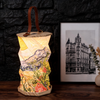
Decorative lighting, for example, can introduce a different visual experience through illumination. Paper-based formats can provide a surface for illustrations and patterns, while carefully designed packaging can reinforce the collection's identity.
For retailers, the key is to select formats that complement the artwork rather than forcing every image into the same product category.
6. Younger Collectors and New Audiences Deserve Attention
The next generation of art buyers is an important consideration for businesses planning their retail and licensing strategies.
The 2026 Art Basel and UBS Survey of Global Collecting reported strong spending among Gen Z high-net-worth collectors in its surveyed sample. The report also highlighted the growing role of digital tools in how collectors research and purchase art. These findings describe a specific collector group rather than all younger consumers, but they point to the value of understanding different audience behaviors.
For retailers, attracting new audiences does not necessarily mean simplifying the artwork or following every social media trend.
It may mean presenting collections in more accessible ways, explaining the artistic context clearly, offering a range of product formats, or creating collaborations that connect an artist's work with a contemporary lifestyle.
Authenticity remains important. Younger customers may discover an artist through digital channels, but the quality, relevance, and credibility of the product still influence whether interest becomes a purchase.
7. Product Assortments Need a Clear Commercial Purpose
A growing assortment is not always a stronger assortment.
For an art retailer, each product should have a reason to be included. Some items may introduce new customers to an artist at a more accessible price. Others may serve as premium decorative pieces, exhibition-related merchandise, or collectible editions.
A useful way to plan a collection is to define the role of each product before committing to production.
Consider the following questions:
-
Audience: Who is most likely to buy the product, and in what context?
-
Artistic fit: Does the format preserve the qualities that make the artwork distinctive?
-
Retail fit: Does the product suit the store's customers, price range, and merchandising style?
-
Production feasibility: Can quality, packaging, quantities, and lead times meet the business requirements?
-
Collection potential: Can the product sit naturally alongside other items or support a future extension?
This approach helps buyers avoid assortments that look visually consistent but lack a clear commercial strategy.
What These Fine Art Retail Trends Mean for Product Developers
For art publishers, licensing agencies, and retail brands, the next step is to connect market observations with practical product decisions.
Start with the audience and artistic portfolio. Identify which works have a clear story and which customer groups are most likely to respond to them. Then evaluate product formats that preserve the artwork's character while serving a genuine retail purpose.
Prototypes are particularly useful when artwork must be adapted to a different material, shape, or functional structure. They allow the team to review color, composition, construction, and presentation before approving larger production quantities.
It is also important to involve the manufacturer early. Production methods can affect how an image is reproduced, how a product functions, and whether the proposed design is commercially feasible.
How DECO Fits Into Art-Inspired Product Development
For businesses exploring art licensing and retail collections, decorative lighting can provide an alternative to conventional prints and flat-surface merchandise.
DECO is a China-based cultural and creative product manufacturer specializing in folding lamps and decorative lighting. Suitable product formats can be customized with approved artwork, illustrations, patterns, and themed designs for retail collections.
For art publishers, licensing agencies, and retail brands, the development process can begin with an assessment of the artwork, intended audience, licensing requirements, and target retail channel. The product design and manufacturing approach can then be evaluated against those needs.
Learn more about DECO's products and manufacturing capabilities at https://www.decotechs.com.cn.
Expert Tip: Treat Trends as Signals, Not Instructions
A market trend can identify an opportunity, but it cannot determine whether a particular product will succeed.
Before investing in a new collection, consider the evidence available from your own customers, retail partners, licensing portfolio, and product tests. A small, well-defined launch may provide more useful feedback than a broad collection developed around a general trend.
The most effective strategy combines market awareness with a clear understanding of the artwork, customer, and retail environment.
Key Takeaway
Fine art retail in 2026 is shaped by a recovering but uneven market, the continuing importance of physical experiences, evolving digital discovery, stronger opportunities for art licensing, and demand for meaningful artistic connections.
For retailers and art-related businesses, success depends on turning these developments into focused decisions about audiences, collections, product formats, and manufacturing.
The opportunity is not simply to sell more art-related products. It is to create retail experiences and products that preserve artistic value while meeting real customer needs.
Related Articles
-
Artist Collection Ideas: How to Turn Artistic Identity Into a Successful Product Collection
-
Cultural Home Décor: How Art, Heritage, and Place Shape Modern Interiors
-
Classic Art Gifts: How to Choose Meaningful Gifts Inspired by Timeless Art
-
Museum Collection Products: How Museums Can Develop Meaningful Retail Products
-
Art Licensing Products: How to Choose the Right Product Categories for Licensed Artwork
-
Artistic Home Accessories: How Art and Design Shape Modern Interiors
About the Author
Kairos is Export Director at DECO, working with international buyers and brands on cultural and creative product development.
About DECO
DECO is a China-based manufacturer specializing in cultural and creative folding lamps and decorative lighting, offering customized product development for retail, licensing, and branded collections.