Wholesale Museum Gifts: 15 Product Categories Museum Stores Can Explore in 2027

Wholesale Museum Gifts: 15 Product Categories Museum Stores Can Explore in 2027
Introduction
A museum gift shop is more than a retail space.
For many visitors, it is where the experience of an exhibition or collection continues after they leave the galleries.
That makes museum retail different from conventional gift retail. A successful museum product often needs to do more than look attractive. It should have a clear connection to art, history, culture, place, the museum's collection, or the visitor experience.
For museum buyers and retail managers, this creates an interesting product-development opportunity.
Instead of relying only on prints, postcards, books, and souvenirs, museums can explore decorative lighting, functional products, collectibles, home décor, artist collaborations, and other products that translate collection stories into contemporary retail formats.
So, what wholesale museum gifts are worth exploring in 2027?
Here are 15 product categories museum stores can consider when developing new collections.

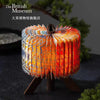
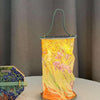
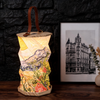
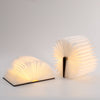
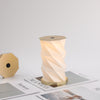
1. Artwork-Inspired Decorative Lighting
Decorative lighting can turn artwork into a functional object.
Potential products include:
- Artwork-inspired lamps
- Table lamps
- Portable lamps
- Rechargeable decorative lights
- Sculptural lighting
- Exhibition-inspired lighting
Instead of viewing lighting simply as a home product, museums can use it as a way to reinterpret a painting, illustration, pattern, or visual collection.
For example:
Artwork → Lighting Product → Museum Collection → Retail Experience
This can create a stronger connection between the original artwork and the customer's home.
2. Art Prints and Wall Décor
Art prints remain a natural museum retail category.
Museums can explore:
- Exhibition prints
- Famous artwork reproductions
- Photography
- Illustrations
- Architectural images
- Museum-exclusive designs
- Artist collaborations
Different sizes and price points can help retailers serve both casual visitors and serious collectors.

3. Art and Museum Books
Books provide an important bridge between the museum collection and the visitor.
Potential categories include:
- Exhibition catalogs
- Artist books
- Collection books
- Architecture books
- Art history books
- Children's art books
- Museum publications
Books can also work well alongside related products, creating themed retail displays.
4. Small Museum Gifts
Small products are particularly useful for museum stores because visitors often want a memorable item without making a major purchase.
Examples include:
- Fridge magnets
- Mini lamps
- Small ornaments
- Small artwork
- Mini sculptures
- Bookmarks
- Small decorative objects
These products can also work well near checkout areas.

5. Museum Collectibles
Collectibility can turn a single museum visit into an ongoing relationship with the retail collection.
Possible products include:
- Artist collectibles
- Exhibition collectibles
- Architectural miniatures
- Limited-edition objects
- Numbered products
- Character or motif collections
- Destination collectibles
A series of related products can encourage visitors to purchase more than one design.
6. Cultural and Heritage Products
Museums can translate historical and cultural stories into contemporary products.
Examples include products inspired by:
- Historical objects
- Traditional patterns
- Architecture
- Regional craftsmanship
- Cultural symbols
- Heritage stories
- Archaeological collections
The objective is not simply to reproduce an object.
A stronger approach is to identify an important visual or cultural element and reinterpret it for contemporary use.
7. Museum Home Décor
Museum retail can extend naturally into the home.
Potential products include:
- Decorative objects
- Vases
- Trays
- Sculptures
- Bookends
- Decorative clocks
- Artwork-based accessories
These products allow visitors to bring part of the museum experience into their own living spaces.
8. Artist Collaboration Products
Artist collaborations can create distinctive museum collections.
Potential collaborations may involve:
- Contemporary artists
- Illustrators
- Designers
- Photographers
- Craftspeople
- Exhibition artists
A collaboration could extend across several categories:
Artist → Artwork → Lamp → Home Décor → Stationery → Collectible
This approach allows the museum to build a broader collection while maintaining a consistent visual identity.
9. Exhibition-Themed Products
Temporary exhibitions can create opportunities for limited retail collections.
Products can be developed around:
- Exhibition artwork
- Exhibition themes
- Artists
- Historical periods
- Special installations
- Curatorial concepts
Limited availability can also give visitors a stronger reason to purchase during the exhibition period.
10. Museum Souvenirs
Traditional souvenirs still have an important role in museum retail.
However, modern souvenir products can go beyond simple logos or printed images.
Examples include:
- Landmark-inspired products
- Museum architecture
- Local cultural products
- Destination artwork
- Museum-exclusive designs
- Functional souvenirs
The goal is to create something that communicates where the visitor went and what they experienced.
11. Functional Museum Products
Functional products can make museum-inspired designs part of everyday life.
Examples include:
- Lamps
- Desk accessories
- Trays
- Storage products
- Clocks
- Organizers
- Kitchen accessories
A functional product can sometimes have stronger long-term value than a purely decorative souvenir because customers continue interacting with it after their visit.
12. Children's Museum Products
Children's products can extend the museum experience to younger visitors.
Possible categories include:
- Educational products
- Art activity sets
- Creative kits
- Puzzles
- Illustrated products
- Children's books
- Character-inspired products
The product should ideally connect entertainment with learning or creative exploration.
13. Seasonal Museum Collections
Museum stores can also adapt collection imagery for seasonal retail.
Examples include:
- Christmas collections
- Holiday ornaments
- Valentine's products
- Spring collections
- Summer travel products
- Halloween products
An artwork or museum motif can sometimes be adapted into a seasonal product without changing the underlying product structure.
This creates opportunities to refresh the retail assortment throughout the year.
14. Destination and Landmark Products
Museums connected to famous cities, buildings, archaeological sites, gardens, or historical locations can develop products around their physical destination.
Potential themes include:
- Architecture
- City landmarks
- Landscapes
- Historical sites
- Local culture
- Regional stories
These products can appeal not only to museum visitors but also to tourists looking for meaningful souvenirs.
15. Limited-Edition Museum Products
Limited editions can provide a different retail proposition from standard merchandise.
Potential approaches include:
- Exhibition editions
- Artist collaborations
- Numbered products
- Anniversary collections
- Museum-exclusive designs
- Special packaging
- Seasonal editions
The product itself does not necessarily need to be complicated.
A distinctive design, appropriate story, exclusive artwork, or limited production quantity can make the collection more special.
What Makes a Good Wholesale Museum Gift?
Museum buyers should evaluate products differently from conventional gift retailers.
A useful checklist includes:
Collection Connection
Does the product have a meaningful connection to the museum, artist, exhibition, object, or story?
Retail Appeal
Would a visitor understand the product's appeal quickly?
Product Quality
Does the product meet the quality expectations associated with the museum?
Storytelling
Can the retail team explain the connection between the product and the collection?
Exclusivity
Can the product be made exclusive to the museum or a specific exhibition?
Customization
Can artwork, patterns, packaging, colors, or product structure be adapted?
Price Range
Can the collection serve different visitor budgets?
Logistics
Is the product practical to package, ship, store, and replenish?
Rights and Licensing
Are the necessary artwork, image, artist, trademark, or intellectual-property rights properly cleared for the intended commercial use?
This final point is particularly important for artwork-based museum products.
How Can Museums Build a Stronger Retail Collection?
One effective approach is to build a product family around one collection or exhibition.
For example:
One Artwork
→ Art Print
→ Decorative Lamp
→ Small Collectible
→ Notebook
→ Home Décor
→ Gift Set
Or:
One Exhibition
→ Exhibition Book
→ Artwork Product
→ Limited Edition
→ Seasonal Product
→ Children's Product
→ Souvenir
This approach allows museums to create multiple price levels while maintaining one recognizable story.
Why Are Artwork-Based Products Interesting for Museum Retail?
An artwork does not have to remain a two-dimensional image.
With appropriate rights and product development, it can become:
Artwork → Product → Function → Experience → Memory
A decorative lamp, for example, can bring an artwork into a customer's home as both a functional object and a visual experience.
This is particularly interesting for museums and art retailers looking for product categories beyond traditional prints and stationery.
Expert Tip
When developing a new museum product, ask:
“What part of the collection should the customer remember when they take this product home?”
The answer can guide the product's artwork, materials, shape, packaging, and storytelling.
The strongest museum products usually feel connected to the original collection without simply becoming a piece of merchandise with a logo printed on it.
Key Takeaway
Wholesale museum gifts can extend far beyond traditional postcards, prints, and souvenirs.
Museum stores can explore artwork-inspired lighting, home décor, collectibles, cultural products, exhibition merchandise, children's products, artist collaborations, destination products, and limited editions.
The strongest collections usually connect three elements:
Museum story + thoughtful product design + meaningful visitor experience.
For museums, art publishers, licensing teams, and cultural retailers, the opportunity is to transform collection assets into products that visitors can use, display, collect, and remember.
Related Articles
- Museum Collection Products: 15 Creative Ideas for Museum Retail
- Famous Painting Gifts: 15 Creative Art-Inspired Gift Ideas for 2027
- Art Lover Gift Ideas: 15 Creative Gifts for People Who Love Art
- Artist Collection Ideas: 15 Creative Products for Art and Retail Brands
- Cultural Home Décor: 15 Stylish Ideas Inspired by Art, Heritage, and Place
About the Author
Kairos — Export Director at DECO
Kairos works with museums, art publishers, licensing companies, retailers, brands, and cultural organizations on customized cultural and creative products for international markets.
About DECO
DECO is a China-based manufacturer specializing in cultural and creative decorative lighting and customizable products. Its capabilities include artwork-based products, museum and cultural collections, artist collaborations, destination designs, seasonal products, and retail-ready customized collections.