Wholesale Museum Gifts: 15 Product Ideas for Museum Stores in 2027
Wholesale Museum Gifts: 15 Product Ideas for Museum Stores in 2027
Introduction
A museum gift shop has a different purpose from a conventional gift store.
Visitors are not simply looking for something attractive to take home. They are often looking for a product that reminds them of an artwork, exhibition, artist, historical object, building, cultural story, or place they experienced during their visit.
For museum retail buyers, this creates an important product-development opportunity.
Traditional museum merchandise such as postcards, prints, books, and magnets will always have a place. But museums can also develop more contemporary products that translate collections into functional, decorative, collectible, and lifestyle products.
This is where wholesale museum gifts become particularly interesting.
A successful museum product can connect:
Collection → Story → Product → Visitor → Memory
Here are 15 wholesale museum gift categories that museum stores can explore in 2027.

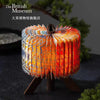
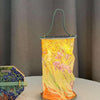
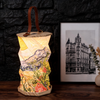
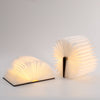
1. Artwork-Inspired Lighting
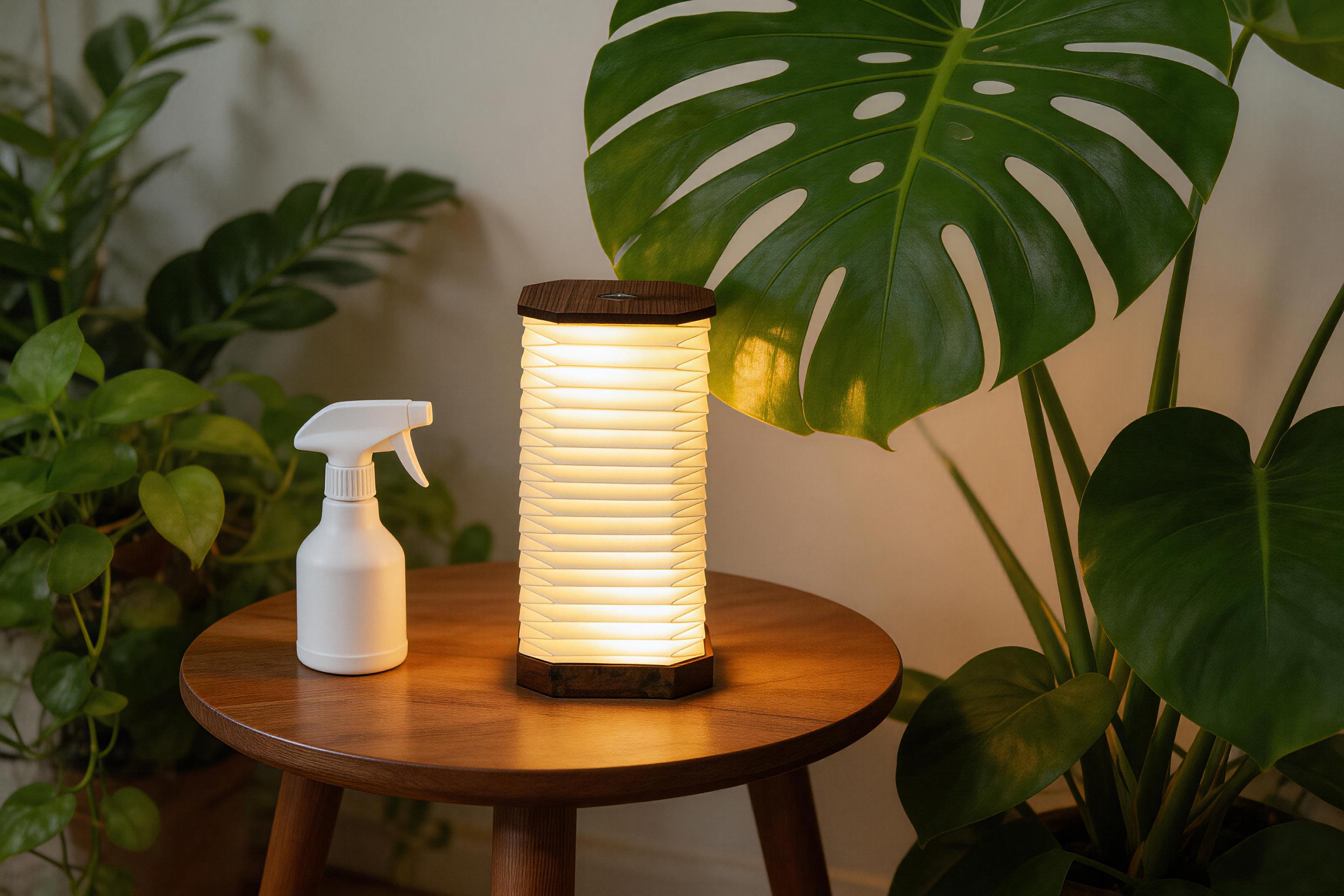
Lighting is an interesting way to turn two-dimensional artwork into a functional product.
A painting, illustration, pattern, or photographic collection can potentially become:
- Decorative lamps
- Table lamps
- Portable lamps
- Rechargeable lamps
- Book-style lamps
- Artistic ambient lighting
The product gives visitors a way to experience the visual identity of an artwork at home rather than simply displaying a reproduction on a wall.
For museum retailers, this can create a product category beyond traditional prints and stationery.

2. Museum Art Prints
Art prints remain one of the most recognizable museum gift categories.
Museums can offer:
- Famous artwork reproductions
- Exhibition prints
- Photography
- Artist illustrations
- Architecture
- Museum collection highlights
- Museum-exclusive designs
Different sizes and price points can help museums serve visitors with different budgets.
3. Museum Books and Publications
Books can extend the educational experience beyond the museum visit.
Potential products include:
- Exhibition catalogs
- Artist books
- Collection books
- Art history books
- Architecture books
- Children's books
- Museum publications
Books can also become the starting point for themed product displays.
For example, an exhibition book can be displayed alongside artwork-inspired gifts and limited-edition products.

4. Small Museum Gifts
Not every visitor wants a premium product.
Small products can provide accessible entry points into museum retail.
Examples include:
- Fridge magnets
- Mini lamps
- Bookmarks
- Small ornaments
- Mini collectibles
- Small decorative objects
- Postcards
These products can be particularly effective around checkout areas and high-traffic displays.
5. Museum Collectibles
Collectible products can encourage visitors to build a relationship with a museum or artist over time.
Possible collections include:
- Artist series
- Exhibition series
- Architectural miniatures
- Historical objects
- Character or motif collections
- Limited-edition objects
- Numbered products
The important element is consistency.
A collection with a recognizable visual language can be more compelling than a group of unrelated souvenirs.
6. Cultural and Heritage Products
Museums can transform cultural and historical stories into contemporary retail products.
Potential inspiration includes:
- Traditional patterns
- Historical objects
- Architecture
- Regional craftsmanship
- Cultural symbols
- Archaeological discoveries
- Heritage stories
The goal should be thoughtful interpretation rather than simply placing a historical image on a generic product.
Where appropriate, museums and suppliers should also consider cultural rights, image rights, trademarks, and other intellectual-property requirements.
7. Museum Home Décor
Museum collections can naturally extend into home décor.
Potential products include:
- Decorative objects
- Vases
- Trays
- Sculptural pieces
- Bookends
- Decorative clocks
- Artwork-based accessories
These products allow visitors to incorporate part of the museum's visual world into their everyday environment.
8. Artist Collaboration Products
Artist collaborations can create distinctive museum collections.
A collaboration might include:
Artist → Artwork → Product → Collection
Potential product categories include:
- Decorative lighting
- Home accessories
- Stationery
- Textiles
- Collectibles
- Prints
- Gift sets
This model can also give museums opportunities to work with contemporary artists whose visual language connects with new audiences.
9. Exhibition Merchandise
Temporary exhibitions create natural opportunities for limited retail programs.
Products can be developed around:
- Exhibition themes
- Featured artists
- Specific artworks
- Historical periods
- Curatorial concepts
- Special installations
Potential products include lamps, prints, books, accessories, collectibles, and gift sets.
Exhibition-specific merchandise can also provide a reason for visitors to purchase during a particular period.
10. Museum Architecture Products
The museum building itself can become a source of product inspiration.
This can work particularly well for museums with:
- Historic buildings
- Distinctive architecture
- Famous facades
- Iconic interiors
- Sculptural structures
- Recognizable architectural details
Potential products include:
- Architectural miniatures
- Decorative lighting
- Artwork
- Ornaments
- Desk accessories
- Collectibles
For visitors, the building can become a souvenir in its own right.
11. Destination and Museum Souvenirs
Some museums are strongly connected to a city, landmark, garden, historical site, or destination.
Products can combine the museum with the surrounding location through:
- Landmark designs
- City artwork
- Local patterns
- Regional culture
- Landscape imagery
- Architectural elements
This creates products that can appeal to both museum visitors and tourists.
12. Functional Museum Merchandise
Museum products do not need to be purely decorative.
Functional products can include:
- Lamps
- Desk accessories
- Trays
- Clocks
- Organizers
- Storage products
- Kitchen accessories
Function can give artwork or cultural imagery a longer life because customers interact with the product regularly.
13. Children's Museum Products
Children's merchandise can extend the museum experience to younger visitors.
Potential categories include:
- Art activity products
- Creative kits
- Puzzles
- Educational games
- Children's books
- Illustrated products
- Character-inspired products
A successful children's product can combine entertainment with the museum's educational mission.
14. Seasonal Museum Gifts
Museum collections can also be adapted for seasonal retail.
Examples include:
- Christmas gifts
- Holiday ornaments
- Valentine's products
- Easter products
- Spring collections
- Summer travel products
- Halloween products
A museum does not necessarily need a completely new product structure for each season.
Existing artwork, patterns, or collection elements can sometimes be adapted through new designs and packaging.
15. Museum-Exclusive Limited Editions
Exclusivity can be particularly valuable in museum retail.
A product can be developed specifically for:
- One museum
- One exhibition
- One artist
- One anniversary
- One destination
- One seasonal program
Possible approaches include:
- Exclusive artwork
- Special packaging
- Limited quantities
- Numbered editions
- Artist signatures
- Museum-exclusive colors
The value comes from the combination of story, scarcity, and connection to the institution.
What Should Museum Buyers Look for in a Wholesale Product?
A museum product should be evaluated differently from a standard retail item.
1. Collection Relevance
Does the product have a genuine connection to the museum's collection or mission?
2. Storytelling Value
Can the museum explain why the product exists?
3. Product Quality
Does the quality match the museum's brand and visitor expectations?
4. Retail Appeal
Will the product attract attention in a busy museum store?
5. Price Architecture
Can the product fit into the store's existing range of accessible, mid-range, and premium products?
6. Exclusivity
Can the product be developed specifically for the museum?
7. Customization
Can artwork, colors, patterns, packaging, or product structure be adapted?
8. Logistics
Can the product be safely shipped, stored, displayed, and replenished?
9. Rights and Licensing
For artwork-based products, museums and suppliers should establish the appropriate rights before production, including artwork, photography, artist, trademark, or other intellectual-property considerations where applicable.
How Can a Museum Turn One Artwork Into a Product Collection?
One of the most useful approaches to museum retail is to think in terms of product families rather than individual SKUs.
For example:
One Painting
→ Art Print
→ Decorative Lamp
→ Notebook
→ Small Collectible
→ Home Décor
→ Gift Set
Or:
One Exhibition
→ Exhibition Book
→ Artwork Product
→ Limited Edition
→ Children's Product
→ Souvenir
→ Seasonal Collection
This approach can create several price points while keeping the entire collection visually connected.
Why Are Artwork-Based Products Important for Museum Retail?
A museum collection does not have to remain inside the gallery.
With appropriate rights and thoughtful product development, visual assets can be translated into products that people use in everyday life.
For example:
Artwork → Product → Function → Home → Memory
A decorative lamp can turn artwork into an object that provides both illumination and visual decoration.
A collectible can become a reminder of an exhibition.
A home accessory can allow a visitor to take part of a cultural experience home.
This is the fundamental opportunity behind modern museum merchandise.
What Makes a Museum Product Feel Authentic?
A common mistake is to place a museum logo or artwork onto a generic product and call it museum merchandise.
A stronger product starts with the story.
Ask:
- What is the source?
- Why is it important?
- What visual element should be preserved?
- What part can be reinterpreted?
- Why does this product make sense?
- What will the visitor remember?
The product should feel like an extension of the collection rather than an unrelated commercial item.
Expert Tip
When developing a new museum product, start with the collection asset, not the product.
Instead of asking:
“What product should we manufacture?”
Start with:
“Which artwork, object, artist, story, or destination do we want visitors to take home?”
Then select the product format that best expresses that story.
This approach can lead to more meaningful products and more coherent museum retail collections.
Key Takeaway
Wholesale museum gifts are evolving beyond traditional postcards, prints, books, and souvenirs.
Museum stores can explore artwork-inspired lighting, collectibles, cultural products, architectural products, artist collaborations, exhibition merchandise, children's products, functional décor, seasonal collections, and museum-exclusive editions.
The strongest museum products generally bring together:
Collection + Story + Design + Function + Visitor Experience
For museum retail teams, art publishers, licensing organizations, and cultural institutions, this creates opportunities to transform existing collection assets into contemporary products that visitors can use, display, collect, and remember.
Related Articles
- Museum Collection Products: 15 Creative Ideas for Museum Retail
- Wholesale Gift Products: 15 Product Categories Retailers Can Explore in 2027
- Wholesale Decorative Lighting: 15 Product Categories Retailers Can Explore in 2027
- Famous Painting Gifts: 15 Creative Art-Inspired Gift Ideas for 2027
- Artist Collection Ideas: 15 Creative Products for Art and Retail Brands
- Cultural Home Décor: 15 Stylish Ideas Inspired by Art, Heritage, and Place
About the Author
Kairos — Export Director at DECO
Kairos works with museums, art publishers, licensing companies, retailers, brands, and cultural organizations on customized cultural and creative products for international markets.
About DECO
DECO is a China-based manufacturer specializing in cultural and creative decorative lighting and customizable products. Its product development capabilities include artwork-based products, museum and cultural collections, artist collaborations, destination designs, seasonal collections, and retail-focused customized products.