Why Do Some Corporate Gifts Get Kept While Others Get Thrown Away?
Why Do Some Corporate Gifts Get Kept While Others Get Thrown Away?
It Happens More Often Than Companies Realize
Walk into almost any office after a trade show, and you'll probably find a drawer full of promotional giveaways—pens that no longer write, keychains nobody remembers receiving, notebooks with untouched pages, and dozens of branded items that seemed like a good idea at the time.
Now look around the same office.
There's usually another category of gifts that never made it into the drawer.
A stylish desk accessory.
A reusable bottle that's used every day.
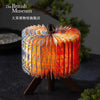
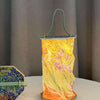
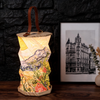
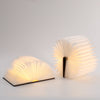
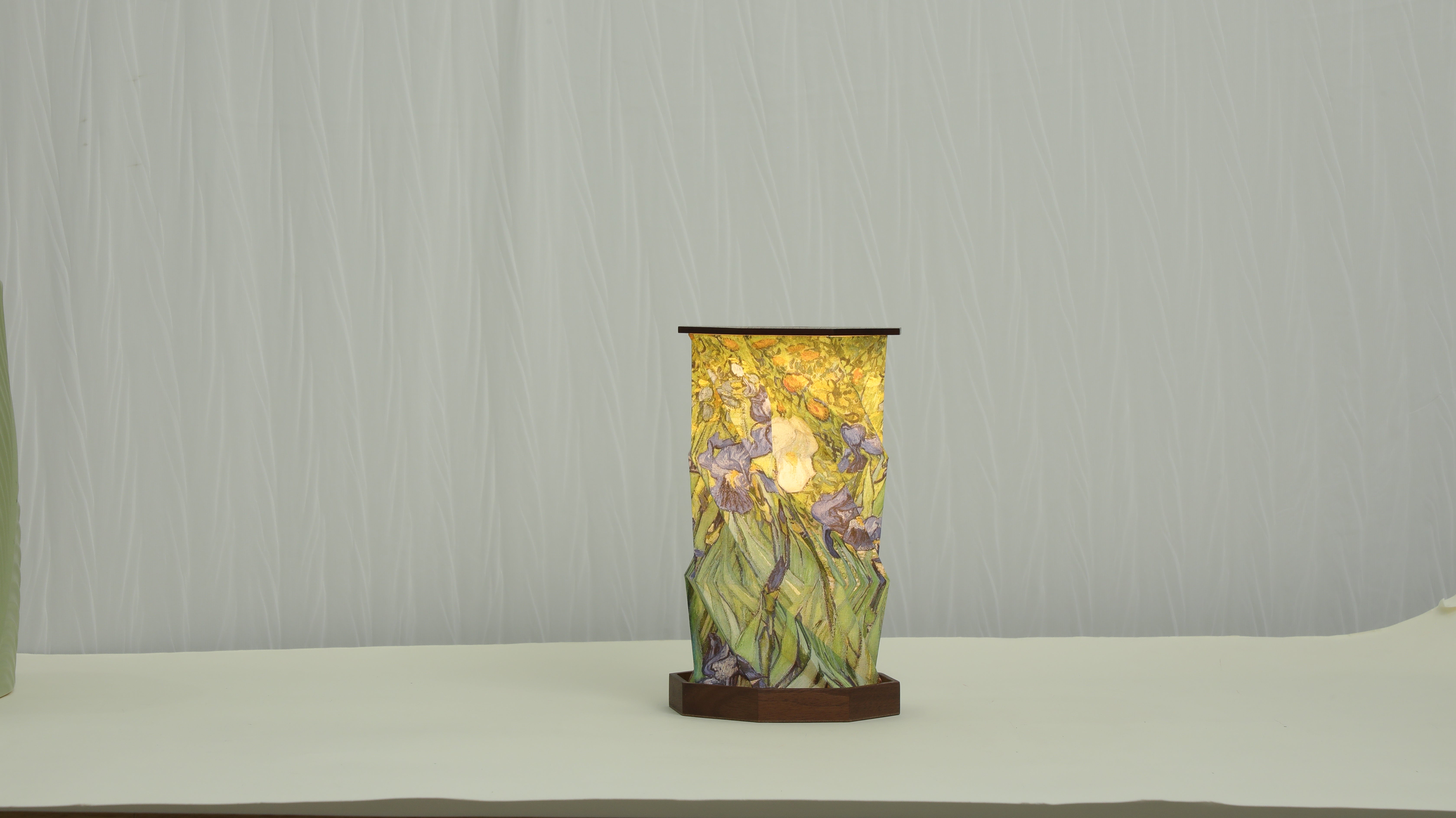
A decorative light sitting on a bookshelf.
The interesting question isn't how much these gifts cost.
It's why people decided they were worth keeping.

Short Answer
Corporate gifts get kept when they become useful, attractive, or meaningful enough to earn a place in someone's daily life. People rarely keep gifts simply because they're free. They keep products that solve a problem, improve their workspace, fit their personal style, or remind them of a positive business relationship.
People Don't Keep Gifts Out of Courtesy
Many companies assume that once a gift is delivered, its job is done.
In reality, that's only the beginning.
The real success of a corporate gift is measured months later.
Is it still being used?
Is it still visible?
Has it become part of the recipient's routine?
Most people aren't trying to collect promotional products. They're trying to simplify their lives. Anything that doesn't add value is likely to be cleared away sooner or later.
That's why usefulness matters so much.
Everyday Value Beats One-Time Excitement
Novelty can grab attention.
Practicality keeps attention.
A funny giveaway might get a smile for a few minutes, but a product that's useful every day continues creating value long after the event is over.
Think about the items people naturally keep close by:
- Office accessories
- Home décor
- Portable lighting
- Reusable drinkware
- Travel essentials
- Well-designed stationery
These products become part of daily routines rather than occasional reminders.

Design Influences What People Display
Not every gift has to solve a major problem.
Sometimes people keep something simply because it looks good.
A thoughtfully designed product can make a workspace feel more welcoming or add character to a room.
That's one reason businesses are moving away from traditional promotional merchandise and toward lifestyle products that recipients are happy to display instead of hide.
When a gift complements someone's environment, it naturally stays visible longer.
Quality Says Something About Your Brand
Every corporate gift sends a message.
A poorly made product can unintentionally suggest that your company cuts corners.
A well-crafted product communicates attention to detail, professionalism, and reliability.
Recipients may never consciously think about it, but quality influences how they perceive both the gift and the business behind it.
Less Advertising, More Appreciation
Here's a mistake many businesses still make.
They design the gift around their logo instead of the recipient.
Large logos, bright promotional graphics, and heavy branding often make products feel like advertisements rather than gifts.
Subtle branding usually creates the opposite effect.
People are far more willing to use products that fit naturally into their lives.
Ironically, the less promotional a gift feels, the more often it's seen.
Timing Makes a Difference
The same product can create completely different impressions depending on when it's given.
A generic giveaway handed out at an exhibition may be forgotten by the following week.
The very same product, presented after completing a successful project or celebrating a long-term partnership, carries emotional meaning.
People often remember the story behind the gift as much as the gift itself.

Common Reasons Gifts End Up in the Trash
Corporate gifts are often discarded because they:
- Have little practical use
- Feel cheaply made
- Duplicate products people already own
- Include excessive branding
- Follow short-lived trends
- Don't match the recipient's lifestyle
Notice that none of these problems are really about budget.
They're about understanding the recipient.
Expert Tip
Before approving a gift, ask your team one question:
"If there were no company logo on this product, would someone still choose to keep it?"
If the answer is yes, you've probably selected a gift with lasting value.
Quick Comparison
| Gifts That Get Thrown Away | Gifts That Get Kept |
|---|---|
| Chosen because they're inexpensive | Chosen because they're genuinely useful |
| Heavy promotional branding | Elegant, understated branding |
| Short-term novelty | Long-term everyday value |
| Generic appearance | Timeless, attractive design |
| One-time use | Regularly used or displayed |
| Easily forgotten | Associated with positive experiences |
Key Takeaway
People don't keep corporate gifts because they feel obligated to.
They keep them because those gifts continue to add value long after they're received.
Whether that value comes from usefulness, thoughtful design, emotional significance, or everyday convenience, the principle is always the same: products that improve people's lives are far more likely to stay.
Related Questions
- What Makes a Corporate Gift Memorable?
- What Makes a Corporate Gift Worth Keeping?
- What Makes a Business Gift Feel Premium?
- How Do Corporate Gifts Strengthen Business Relationships?
- What Promotional Gifts Have the Highest Value?
Conclusion
The best corporate gifts aren't the ones that generate the biggest reaction on the day they're received. They're the ones that quietly become part of someone's daily life. Businesses that prioritize quality, practicality, and thoughtful design consistently create gifts that people choose to keep rather than discard.
As corporate gifting continues to evolve, many companies are replacing disposable promotional merchandise with design-led lifestyle products that offer genuine everyday value. These gifts not only strengthen business relationships but also keep a brand present in a natural and lasting way.