Best History Museum Gifts
Best History Museum Gifts
A great history museum gift does more than remind visitors where they have been.
It gives them a way to take a piece of history home.
Unlike general souvenir stores, history museum shops have a unique advantage: their collections are built around real stories, people, places, objects, events, and cultural heritage.
This creates many opportunities for products that combine historical meaning, educational value, beautiful design, and everyday usefulness.
Today, history museum stores offer much more than postcards and books. Museum retailers are increasingly developing home goods, jewelry, apparel, collectibles, local products, educational merchandise, and historically inspired objects. The Museum Store at the Museum of the American Revolution, for example, describes its assortment as books, home goods, apparel, jewelry, and gifts selected for their historical connection and ability to extend the museum experience.
So, what are the best history museum gifts?

Short Answer
Some of the strongest history museum gift categories include:
- Historical books
- Reproduction artifacts
- Historical home décor
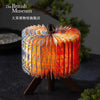
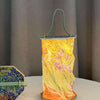
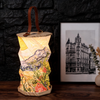
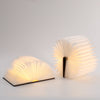
- Decorative lighting
- Jewelry and accessories
- Historical maps and prints
- Collectibles and miniatures
- Educational toys and games
- Clothing and accessories
- Local and regional products
- Exhibition merchandise
- Museum-exclusive products
The strongest products usually combine:
History + Storytelling + Design + Function + Authenticity
1. Historical Books
Books remain one of the most natural products for history museums.
They allow visitors to continue learning after leaving the museum.
Popular categories include:
- Local history books
- Historical biographies
- Military history
- Architecture books
- Archaeology books
- Historical photography
- Children's history books
- Exhibition catalogs
- Museum publications
For history enthusiasts, a well-selected book can be both a souvenir and an educational resource.

2. Reproduction Artifacts
Reproductions can make historical objects accessible to a wider audience.
Depending on the museum's collection, these could include:
- Historical objects
- Coins
- Medals
- Tools
- Sculptures
- Decorative objects
- Architectural details
- Jewelry
- Historical documents
The important point is authenticity.
The product should clearly explain what the original object was, where it came from, and why it matters.
This transforms a reproduction into a meaningful historical product rather than simply a decorative copy.
3. Historical Home Décor
History can also become part of modern home décor.
Potential products include:
- Decorative objects
- Sculptural reproductions
- Wall décor
- Textiles
- Tableware
- Ornaments
- Decorative accessories
- Historical map décor
The Getty Museum Store, for example, currently positions its home and gift assortment around products inspired by art, history, and culture, including decorative objects and ornaments.
This category is particularly interesting because visitors can continue interacting with the museum's story long after their visit.
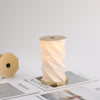
4. Decorative Lighting
Decorative lighting is an interesting opportunity for history museums because historical stories can be translated into objects for contemporary living.
A museum could develop lighting inspired by:
- Historical architecture
- Ancient patterns
- Traditional motifs
- Famous landmarks
- Historical maps
- Cultural symbols
- Exhibition artwork
- Important historical events
For example, the shape or pattern of an architectural monument could become part of a decorative lamp.
This creates a different type of souvenir:
History → Design → Functional Object
Instead of simply displaying historical information, the product allows the visitor to incorporate part of that history into their home.

5. Historical Maps and Prints
Maps are especially valuable for history museums because they connect place and time.
Products can include:
- Historical maps
- City maps
- Architectural drawings
- Vintage-style prints
- Historical photographs
- Reproductions of documents
- Landmark illustrations
These products can work particularly well for local history museums because visitors often have a personal connection to the city or region.
6. Jewelry and Accessories
Historical jewelry can transform cultural stories into wearable products.
Design inspiration can come from:
- Ancient symbols
- Historical patterns
- Archaeological discoveries
- Royal collections
- Traditional crafts
- Architecture
- Historical figures
Small accessories are also practical for tourists because they are lightweight and easy to pack.
This makes jewelry an attractive combination of historical meaning and commercial practicality.
7. Collectibles and Miniatures
Collectibles can be particularly effective when a museum has recognizable objects, buildings, vehicles, or historical figures.
Examples include:
- Miniature buildings
- Historical vehicles
- Figurines
- Reproduction objects
- Medals
- Coins
- Ornaments
- Limited editions
A miniature can turn a large historical object into something visitors can keep at home.
National Trust for Historic Preservation examples of history-focused museum stores include collectible figurines of historic places, biographies, toys, postcards, and other historically themed merchandise.
8. Educational Toys and Games
History museums also have an opportunity to make learning more interactive.
Products could include:
- Historical puzzles
- Building kits
- Board games
- Model kits
- Educational toys
- Children's activity books
- Drawing and craft kits
These products are particularly useful for families.
Instead of simply buying a souvenir, parents can purchase something that helps children learn about history through play.
9. Historical Clothing and Accessories
Clothing can translate historical themes into contemporary fashion.
Examples include:
- T-shirts
- Sweatshirts
- Hats
- Scarves
- Bags
- Socks
- Historical-pattern accessories
The Smithsonian, for example, currently includes apparel, accessories, jewelry, home products, books, games, and puzzles across its museum-store assortment.
For museums with strong historical personalities, locations, or symbols, apparel can also become an important visibility tool outside the museum.
10. Local and Regional Products
For local history museums, the surrounding community can become an important source of product inspiration.
Products might include:
- Local artwork
- Handmade crafts
- Regional food
- Local textiles
- Architecture-inspired products
- City-themed products
- Products made by local artists
For example, the Pasadena Museum of History currently features works by local artists, books about Pasadena and surrounding areas, locally made foods, cards, and other regional merchandise.
This approach helps connect the museum shop to the broader identity of the destination.
11. Exhibition-Specific Products
Temporary exhibitions create natural opportunities for limited product collections.
A historical exhibition could inspire:
Exhibition → Historical Story → Product Collection
Potential products include:
- Books
- Prints
- Jewelry
- Decorative objects
- Lighting
- Collectibles
- Clothing
- Educational products
This gives visitors a tangible reminder of a specific exhibition and can create additional revenue during the exhibition period.
12. Museum-Exclusive Historical Gifts
One of the strongest opportunities for a history museum is creating products that visitors cannot easily find elsewhere.
Exclusive products could be based on:
- A unique museum artifact
- A historical figure
- A local landmark
- A special exhibition
- A historical event
- A museum building
- A particular archive or collection
The Museum of the American Revolution, for example, highlights products that are historically informed and often exclusive to its store.
Exclusivity gives visitors a stronger reason to purchase directly from the museum.
What Makes a Great History Museum Gift?
The strongest history museum gifts usually have five characteristics.
1. Historical relevance
The product has a clear connection to a person, place, object, event, or story.
2. Authenticity
Visitors understand where the inspiration comes from and why it matters.
3. Good design
The product should feel attractive and contemporary rather than outdated.
4. Practical or collectible value
People should want to use, display, or collect it.
5. Strong storytelling
The product should give visitors something interesting to remember and share.
From Historical Object to Modern Product
One of the biggest opportunities for history museums is to stop thinking only in terms of traditional souvenirs.
Instead, consider this process:
Historical Object
↓
Story / Symbol / Pattern
↓
Product Concept
↓
Modern Design
↓
Museum-Exclusive Collection
For example, a historical building could inspire a decorative object.
A historical map could become wall décor.
A traditional pattern could become a textile collection.
An architectural detail could become a decorative lamp.
A historical illustration could become a functional lifestyle product.
This allows museums to preserve the meaning of history while presenting it in a form that fits modern lifestyles.
Expert Tip
When developing history museum merchandise, don't focus only on “What historical object can we reproduce?”
Ask instead:
“What part of this historical story could become a product that people would still want in their home today?”
That question opens up much more creative possibilities.
The best modern museum products don't necessarily look like traditional souvenirs. They can look like contemporary design objects while still having a clear historical story behind them.
Key Takeaway
The best history museum gifts combine historical meaning with modern product design.
The strongest opportunities include:
Books + Reproductions + Home Décor + Lighting + Jewelry + Collectibles + Educational Products + Exclusive Merchandise
For history museums, the goal is not simply to sell something with a museum logo.
It is to create a product that allows visitors to remember, understand, and continue experiencing history after they leave the museum.
That is what turns an ordinary souvenir into a meaningful cultural product.
Related Articles
- How Museums Choose Souvenirs
- Best Products for Museum Shops
- Best Art Museum Gifts
- Museum Retail Trends
- What Sells Best in Museum Gift Shops?
- Best Museum Souvenir Products
- How Museums Create Exclusive Merchandise
- Museum Artwork Licensing: How It Works
- How to Develop Products from Historical Objects
- How to Increase Museum Gift Shop Sales
About the Author
Kairos is an international business professional specializing in cultural and creative product development, OEM/ODM manufacturing, and global B2B markets. His work focuses on helping businesses transform artwork, historical themes, cultural concepts, and creative ideas into commercially viable products.
About DECO
DECO is a China-based creative product manufacturer specializing in customized decorative lighting, folding lamps, cultural merchandise, and art-inspired products.
DECO supports museums, cultural organizations, retailers, and creative brands with custom artwork applications, historical and cultural themes, exhibition collections, museum merchandise, artist collaborations, and OEM/ODM product development.
From product development and material selection to customization, packaging, and mass production, DECO helps turn cultural stories and creative concepts into physical products suitable for modern retail.