Best Art Museum Gifts
Best Art Museum Gifts
The best art museum gifts do more than remind visitors where they have been. They allow people to bring a piece of an artwork, artist, exhibition, or cultural experience into their everyday lives.
Today, leading museum shops offer much more than postcards and posters. The collections of major museums are increasingly translated into home décor, jewelry, books, stationery, fashion, collectibles, toys, and functional lifestyle products. The Met Store, for example, currently features art-inspired home décor, jewelry, scarves, tableware, books, ornaments, children's products, and other collection-inspired merchandise.
So, what are the best art museum gifts?

Short Answer
Some of the strongest art museum gift categories include:
- Art prints and posters
- Art books and exhibition catalogs
- Art-inspired home décor
- Decorative lighting
- Jewelry and accessories
- Stationery and journals
- Artist collaboration products
- Collectibles and ornaments
- Puzzles and creative toys
- Museum-exclusive products
- Exhibition merchandise
- Functional lifestyle products
The most successful products usually combine art, design, story, and everyday usefulness.
1. Art Prints and Posters
Art prints remain one of the most natural museum gifts.
Visitors can take home a reproduction of a painting, photograph, illustration, or other artwork without purchasing an expensive original.
Popular formats include:
- Fine art prints
- Posters
- Art cards
- Framed prints
- Exhibition posters
- Limited-edition prints
They are particularly effective because the connection between the product and the museum collection is immediately clear.

2. Art Books and Exhibition Catalogs
Books are another important category for art museums.
They can help visitors continue learning about an artist or exhibition after leaving the museum.
Popular choices include:
- Artist monographs
- Exhibition catalogs
- Collection books
- Photography books
- Children's art books
- Art history books
- Illustrated books
For serious art enthusiasts, books can also become collectible objects in their own right.
3. Art-Inspired Home Décor
Home décor is one of the strongest opportunities for modern museum retail.
Instead of simply displaying artwork on a wall, visitors can incorporate artistic inspiration into their homes through:
- Decorative objects
- Cushions
- Textiles
- Vases
- Tableware
- Sculptural objects
- Wall décor
- Decorative lighting
The Met Store, for example, describes its merchandise as including art-inspired home décor and other products inspired by its collection.
This category is especially valuable because the museum experience can become part of the customer's everyday environment.
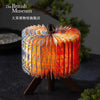
4. Decorative Lighting
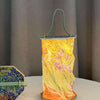
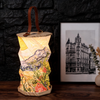
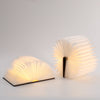
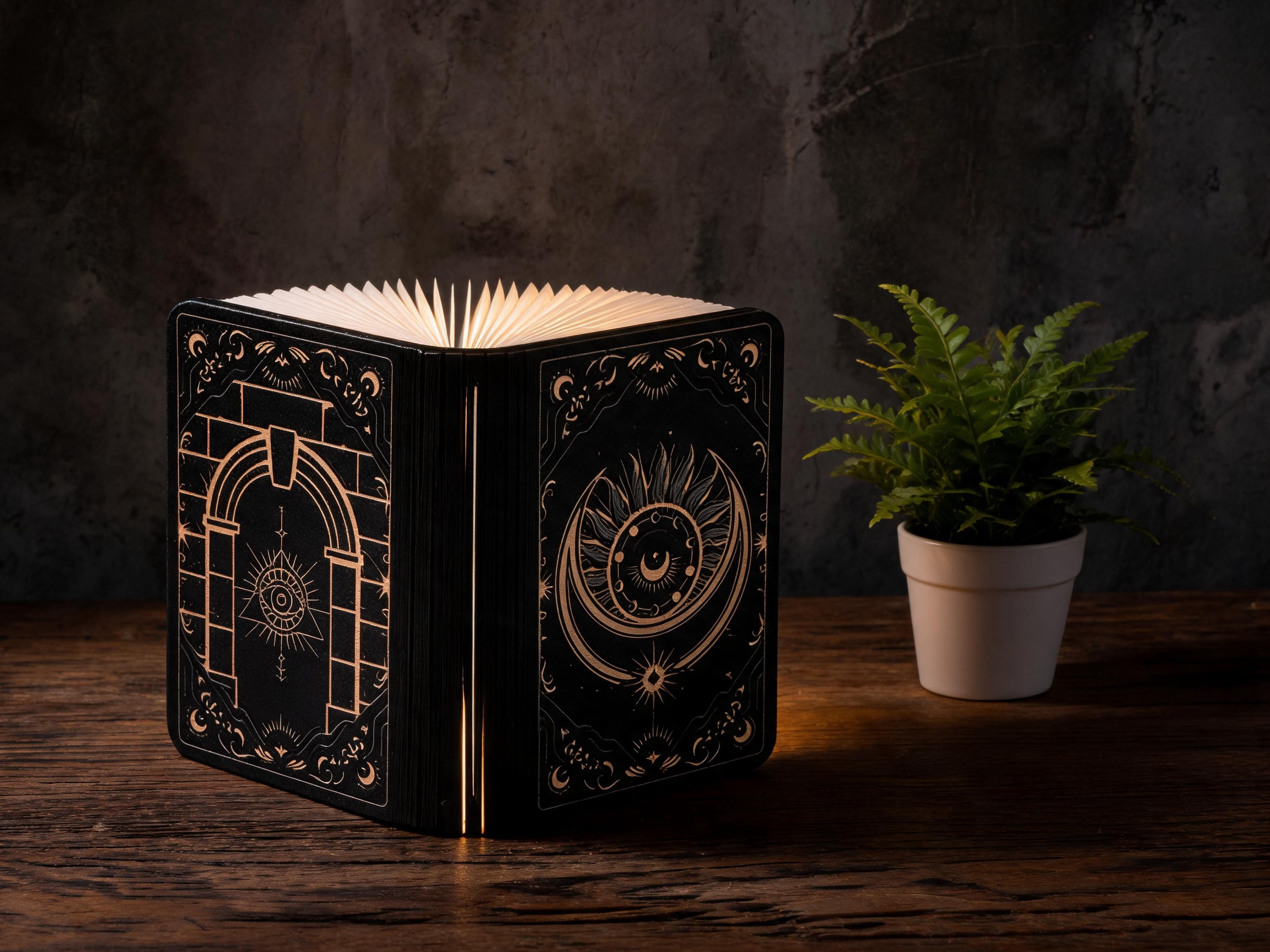
Decorative lighting offers an interesting way to transform artwork into a functional product.
A painting, illustration, pattern, or artistic composition can be incorporated into a lamp or other illuminated object.
This creates a combination of:
Artwork + Product Design + Home Décor + Function
Compared with a conventional printed souvenir, a well-designed lamp can become a more permanent part of the customer's home.
For museums with strong visual collections, this can create opportunities for:
- Artwork-based lamps
- Exhibition lighting collections
- Artist collaboration products
- Museum-exclusive designs
- Seasonal art collections
5. Art Jewelry
Jewelry is particularly attractive for visitors looking for something more personal.
Museum jewelry can be inspired by:
- Paintings
- Sculptures
- Historical jewelry
- Architectural details
- Patterns
- Artists
- Cultural symbols
The Met Store currently highlights art jewelry and accessories as major gift categories.
The advantage is that the artwork becomes something the customer can wear, rather than simply display.

6. Stationery and Journals
Stationery is a practical category for museum stores because it offers relatively accessible price points and is easy to carry.
Examples include:
- Notebooks
- Journals
- Sketchbooks
- Greeting cards
- Calendars
- Pens
- Pencils
- Bookmarks
Museum collections can give these ordinary products a distinctive visual identity.
They are also suitable for visitors who want a smaller and more affordable museum souvenir.
7. Artist Collaboration Products
Artist collaborations can make museum gifts feel more exclusive.
Museums can work with contemporary artists, illustrators, designers, or craftspeople to develop products that extend an exhibition or collection into new categories.
These collaborations might include:
- Home décor
- Fashion accessories
- Stationery
- Decorative objects
- Toys
- Limited-edition products
This approach is increasingly important as museum shops become more like curated design stores rather than traditional souvenir shops.
8. Collectibles and Ornaments
Collectible products work particularly well for visitors who want something memorable but don't necessarily need a large product.
Examples include:
- Art ornaments
- Miniature sculptures
- Figurines
- Decorative objects
- Limited editions
- Exhibition collectibles
Seasonal ornaments can also create repeat-purchase opportunities because customers may return each year to add another piece to their collection.
The Met Store, for example, currently features collectible ornaments among its art-inspired gift offerings.
9. Puzzles and Creative Products
Art museums can also turn famous artworks into interactive products.
Examples include:
- Art puzzles
- Creative kits
- Drawing sets
- Building sets
- Children's art activities
- Games
These products work particularly well for families and younger visitors.
They also provide a way for customers to interact with art, rather than simply look at it.
10. Museum-Exclusive Gifts
One of the strongest characteristics of a great museum gift is exclusivity.
Visitors should feel:
“I probably wouldn't find this anywhere else.”
Exclusive products can be developed around:
- A specific artwork
- A museum collection
- A temporary exhibition
- An artist
- A museum building
- A historical object
- A special anniversary
This creates a stronger reason to purchase directly from the museum shop.
11. Exhibition-Specific Merchandise
Temporary exhibitions provide museums with a natural opportunity to create limited-time product collections.
For example:
Artist Exhibition → Artwork Selection → Product Collection → Limited Edition
Products could include:
- Prints
- Books
- Jewelry
- Home décor
- Lighting
- Stationery
- Collectibles
- Fashion accessories
This gives visitors something directly connected to the exhibition they have just experienced.
It also creates a natural sense of urgency because the collection may not remain available permanently.
12. Functional Art-Inspired Products
Perhaps the biggest opportunity for museum retail is turning art into products people actually use.
Instead of asking:
“What souvenir can we make?”
museum retailers can ask:
“What everyday product could this artwork inspire?”
That could lead to:
- A lamp inspired by a painting
- A notebook inspired by an artist
- Tableware inspired by a pattern
- A textile collection based on an artwork
- A decorative object inspired by a sculpture
This approach is already visible across museum retail. For example, current museum-store selections include art-inspired tableware, home accessories, stationery, lighting, jewelry, and other functional design products.
What Makes a Great Art Museum Gift?
The strongest art museum gifts usually have five characteristics.
1. Strong connection to art
Visitors immediately understand the relationship between the product and the artwork or museum.
2. Good design
The product should look desirable even without the museum logo.
3. Practical value
Products that people can use or display have a longer life beyond the museum visit.
4. A strong story
The product should communicate something about the artwork, artist, exhibition, or cultural background.
5. Exclusivity
The product should feel special enough that visitors cannot simply find an equivalent item in a regular retail store.
Expert Tip
Don't think about museum merchandise as “putting artwork on products.”
Think about it as:
Artwork → Interpretation → Product Design → Everyday Experience
This distinction matters.
A generic notebook with an artwork printed on the cover is a souvenir.
A beautifully designed product that uses the artwork's colors, structure, story, or visual language to create something new can become a genuine art-inspired product.
That is where museum retail has the greatest potential.
Key Takeaway
The best art museum gifts are no longer limited to postcards, prints, and traditional souvenirs.
Today's strongest opportunities are found where art meets everyday life:
Art + Design + Function + Story + Exclusivity
For museum shops, this means developing products that visitors don't just want to remember—they actually want to use, display, collect, and keep.
This shift creates opportunities for museums to turn their collections and exhibitions into broader product categories, from home décor and lighting to jewelry, stationery, collectibles, and artist collaborations.
Related Articles
- How Museums Choose Souvenirs
- Best Products for Museum Shops
- Museum Retail Trends
- What Sells Best in Museum Gift Shops?
- Best Museum Souvenir Products
- How Museums Create Exclusive Merchandise
- Museum Artwork Licensing: How It Works
- Artist Collaborations in Museum Retail
- How to Develop Products from Artwork
- How to Increase Museum Gift Shop Sales
About the Author
Kairos is an international business professional specializing in cultural and creative product development, OEM/ODM manufacturing, and global B2B markets. His work focuses on helping businesses transform artwork, creative concepts, and cultural themes into commercially viable products.
About DECO
DECO is a China-based creative product manufacturer specializing in customized decorative lighting, folding lamps, cultural merchandise, and art-inspired products.
DECO supports museums, cultural organizations, retailers, and creative brands with custom artwork applications, artist collaborations, exhibition collections, museum merchandise, and OEM/ODM product development.
From product development and material selection to customization, packaging, and mass production, DECO helps turn artwork and cultural concepts into physical products suitable for modern retail.