What Are the Best Tourist Souvenirs? 15 Products Travelers Actually Want to Take Home
What Are the Best Tourist Souvenirs? 15 Products Travelers Actually Want to Take Home
The best tourist souvenirs do more than remind travelers where they went.
They help people remember a place, tell a story, and bring part of the travel experience home.
For souvenir shops, museums, tourist attractions, airports, bookstores, and destination retailers, this creates an important opportunity.
Instead of relying only on traditional products such as mugs, T-shirts, and postcards, retailers can develop products around local artwork, landmarks, culture, nature, history, and everyday lifestyle.
The strongest souvenir products combine:
Destination + Story + Design + Function

Short Answer
Some of the best tourist souvenirs include:
- Local artwork and illustrations
- Landmark-inspired products
- Destination home décor
- Decorative lighting
- City collections
- Local cultural products
- Maps and illustrated maps
- Wildlife and nature products
- Artist collaboration products
- Collectibles and miniatures
- Travel-friendly lifestyle products
- Local crafts
- Books and cultural products
- Personalized souvenirs
- Destination-exclusive products
The best choices are usually easy to carry, visually distinctive, culturally meaningful, and useful or displayable after the trip.

What Makes a Good Tourist Souvenir?
A good souvenir should answer one simple question:
“Why does this product remind me of this place?”
There are several strong ways to create that connection.
Place
The product should have a clear connection to a specific destination.
Story
It should communicate something about the history, culture, people, or experience of the place.
Design
It should look attractive enough that customers want it even beyond its souvenir function.
Function
Products that can be used or displayed after the trip often have more lasting value.
Portability
Travelers need to be able to take the product home easily.
15 Best Tourist Souvenir Ideas
1. Local Artwork & Illustrations
Artwork can turn a destination into a visual memory.
Popular themes include:
- City streets
- Local architecture
- Landscapes
- Famous landmarks
- Local people and lifestyle
- Traditional culture
- Wildlife
Illustrations can also be adapted across multiple products, making them ideal for developing a complete destination collection.

2. Landmark-Inspired Products
Landmarks are among the easiest ways to create destination recognition.
Examples include:
- Buildings
- Bridges
- Towers
- Monuments
- Historic sites
- Famous structures
Instead of simply printing a photograph, retailers can reinterpret the landmark through shape, silhouette, architecture, artwork, or product design.
This can make the souvenir feel much more premium.
3. Destination Home Décor
Travelers increasingly want souvenirs that can become part of their homes.
Possible products include:
- Decorative objects
- Wall décor
- Sculptures
- Ornaments
- Tabletop décor
- Decorative lighting
These products extend the travel experience beyond the trip.
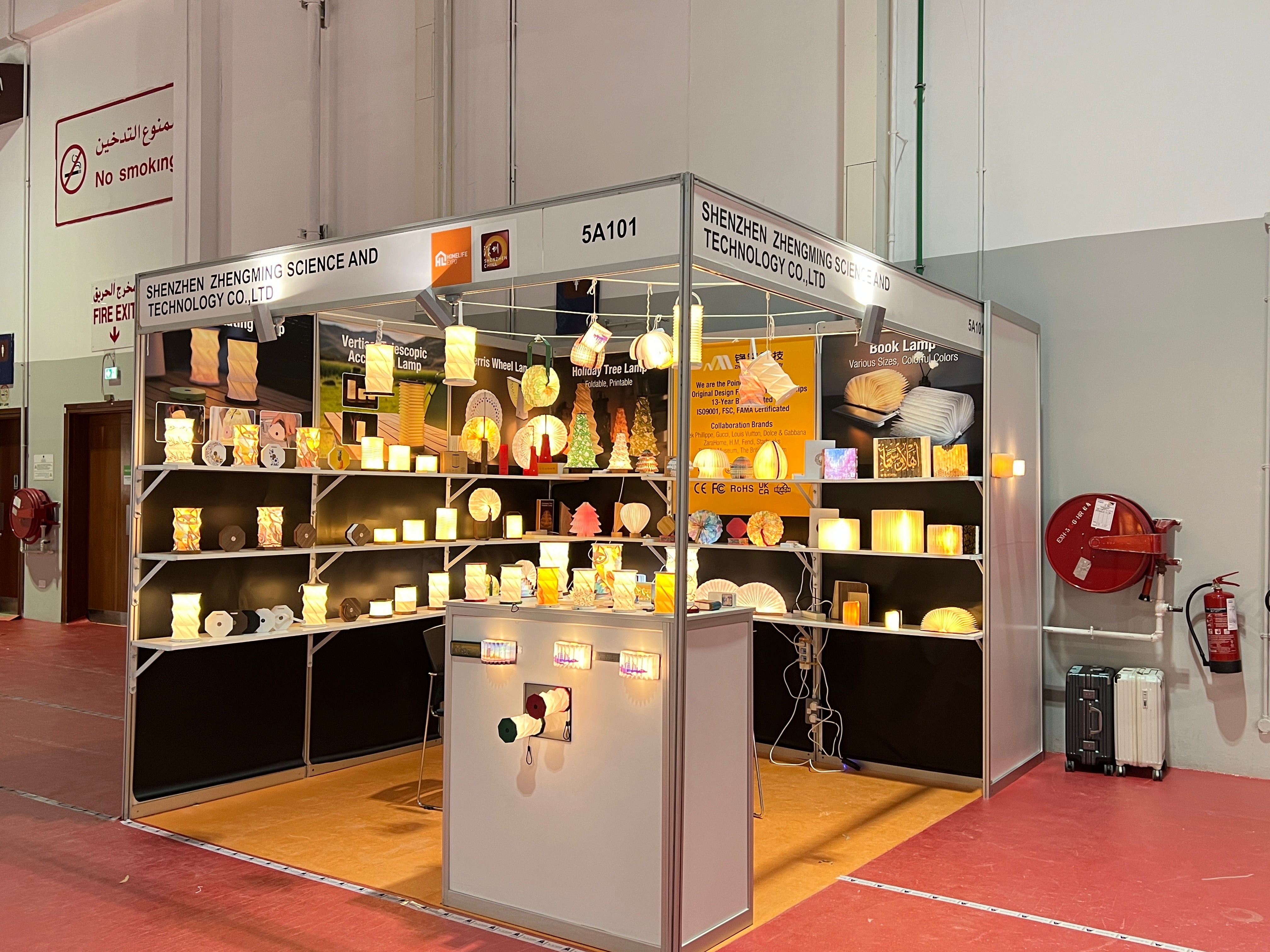
4. Decorative Lighting
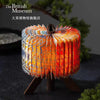
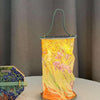
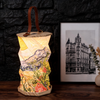
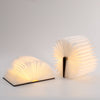
Decorative lighting is an interesting souvenir category because it combines art, atmosphere, and function.
A lamp could feature:
- A city skyline
- Landmark artwork
- Local architecture
- Nature scenes
- Cultural illustrations
- Famous artworks
When the light is displayed at home, the customer gets a visual reminder of the destination rather than simply storing a souvenir in a drawer.
5. City Collection Products
A destination doesn't have to be represented by a single product.
Retailers can create a collection around:
City → Landmarks → Architecture → Culture → Artwork → Lifestyle
For example, a city collection might include different products featuring the skyline, historic buildings, local art, maps, and cultural symbols.
This creates opportunities for collecting and repeat purchases.
6. Local Culture & Heritage Products
Culture gives souvenirs depth.
Products can be inspired by:
- Traditional patterns
- Local crafts
- Historical traditions
- Festivals
- Cultural symbols
- Regional architecture
- Local stories
The goal is to make the product feel connected to the destination rather than simply carrying its name.
7. Maps & Illustrated Maps
Maps can be both informative and decorative.
Possible products include:
- Vintage maps
- Illustrated maps
- City maps
- Transit maps
- Neighborhood maps
- Landmark maps
A beautifully designed map can become a travel memory that customers display at home.
8. Wildlife & Nature Products
For destinations known for natural environments, wildlife can become a powerful product theme.
Examples include:
- Local animals
- Birds
- Marine life
- Plants
- Mountains
- Forests
- Waterfalls
- Desert landscapes
This is particularly effective for national parks and nature destinations.
9. Artist Collaboration Products
Local artists can give souvenir collections a unique identity.
A destination retailer can collaborate with artists to create:
- Landmark illustrations
- City artwork
- Wildlife collections
- Cultural artwork
- Limited editions
- Seasonal collections
This creates a stronger connection between artist + destination + product.
10. Collectibles & Miniatures
Collectibles can encourage customers to build a series.
For example:
Paris → London → New York → Tokyo
or:
Park A → Park B → Park C
Using a consistent product format makes it easier for customers to collect multiple destinations.
11. Travel-Friendly Lifestyle Products
Tourists often prefer products that are practical and easy to pack.
Important characteristics include:
- Lightweight
- Compact
- Durable
- Easy to carry
- Easy to pack
- Easy to gift
This is particularly important for airport stores and travelers visiting multiple destinations.
12. Local Craft-Inspired Products
Traditional craftsmanship can create a strong sense of authenticity.
Products can incorporate:
- Local materials
- Traditional techniques
- Regional patterns
- Handmade details
- Cultural design elements
Even when a product is manufactured at scale, incorporating authentic local design inspiration can make it feel more connected to the destination.
13. Books & Cultural Products
Books can provide deeper context around a destination.
Popular categories include:
- City guidebooks
- Local history
- Art books
- Photography books
- Architecture books
- Children's books
- Cultural guides
These products work particularly well in museum shops, bookstores, and cultural attractions.
14. Personalized Souvenirs
Personalization can make a souvenir feel more personal.
Ideas include:
- Customer's name
- Travel date
- Destination coordinates
- Favorite landmark
- Personalized message
- Special event
The more personal the product becomes, the more it moves from generic souvenir to personal memory.
15. Destination-Exclusive Products
One of the strongest reasons to purchase a souvenir is exclusivity.
A retailer can develop:
- Destination-exclusive designs
- Museum-exclusive collections
- Airport-exclusive products
- Limited editions
- Artist collaborations
- Seasonal collections
The message is simple:
“You can only get this here.”
That gives travelers a reason to purchase immediately instead of searching for the same product online later.
What Souvenirs Are Easy for Tourists to Take Home?
Portability is one of the most important practical considerations in travel retail.
Good travel souvenirs are generally:
Small + Lightweight + Durable + Easy to Pack
This is especially important for:
- Airport stores
- Tourist attractions
- Museum shops
- Train stations
- Cruise terminals
- Destination stores
Packaging also matters.
A well-designed package can protect the product while making it easier to display and carry.
Are Functional Souvenirs Better Than Traditional Souvenirs?
Not always—but they can offer a major advantage.
A traditional souvenir may remind someone of a trip.
A functional souvenir can become part of their daily life.
For example:
Traditional souvenir:
A landmark image printed on a decorative item.
Functional souvenir:
A beautifully designed lamp, notebook, home décor piece, or other product inspired by the same landmark.
The second product can continue creating value long after the trip.
This is why “souvenir + lifestyle product” is an interesting direction for destination retailers.
How Can Souvenir Shops Create Premium Products?
The easiest way to improve a souvenir is not necessarily to increase the price.
It is to improve the design and story.
Instead of:
City Name + Logo + Generic Product
consider:
Destination + Artwork + Story + Product Design
For example, a famous landmark can inspire the shape, pattern, silhouette, or artwork of a product.
This creates a product that feels like design from the destination, rather than mass-produced merchandise.
How Can One Destination Create Many Souvenir Products?
A destination can usually provide far more inspiration than retailers initially expect.
Start with:
Landmark
↓
Architecture
↓
Local Culture
↓
Nature & Wildlife
↓
Art & Artists
↓
History
↓
Lifestyle
Each element can become a different product category.
This creates a destination product ecosystem instead of a collection of unrelated souvenirs.
Expert Tip
Don't ask:
“What souvenir should we put the destination name on?”
Ask:
“What will visitors remember about this place?”
Then turn that memory into a product.
It could be:
A landmark.
A painting.
A mountain.
A local animal.
A street.
A cultural pattern.
A story.
The strongest souvenir collections follow:
Place → Memory → Story → Design → Product
Key Takeaway
The best tourist souvenirs are not necessarily the most traditional ones.
They are the products that successfully combine:
Destination + Story + Design + Function + Emotion
Local artwork, landmarks, maps, architecture, wildlife, culture, and history can all become powerful sources of product inspiration.
For souvenir shops, museums, tourist attractions, airports, bookstores, and destination retailers, the goal is to create something visitors don't simply buy because they visited.
They should buy it because:
“This reminds me of a place I love—and I actually want to keep it.”
Related Articles
- What Are the Best City Collection Gift Ideas?
- Travel Retail Trends 2027
- National Park Gift Ideas
- Landmark Souvenirs
- Cultural Gift Products
- Art Inspired Gifts
- Famous Painting Gifts
- Best Products for Museum Shops
- How Museums Choose Souvenirs
- Tourist Gift Trends
About the Author
Kairos is Export Director at DECO, specializing in cultural and creative product development, OEM/ODM manufacturing, and international B2B partnerships. He focuses on helping retailers, cultural organizations, museums, and destination brands turn artwork, cultural stories, and creative concepts into commercially viable products.
About DECO
DECO develops customizable cultural and creative products for international markets, with a focus on decorative lighting and artwork-based product development.
For destination and tourist collections, DECO can develop products around landmarks, city artwork, local culture, wildlife, landscapes, artist collaborations, and destination-exclusive designs.