Home Décor Trends 2027: 12 Design Trends Shaping What People Want at Home
Home Décor Trends 2027: 12 Design Trends Shaping What People Want at Home
Home décor is moving beyond simply making a room look attractive.
Consumers increasingly want their homes to feel personal, comfortable, meaningful, and visually distinctive.
For home décor retailers and product developers, this means the most interesting opportunities are not always completely new product categories. Often, they come from rethinking familiar products through materials, artwork, functionality, and storytelling.
Current design coverage points toward continued interest in natural materials, organic forms, tactile surfaces, personalization, and spaces that feel more individual rather than overly coordinated.
So what home décor trends should retailers pay attention to in 2027?

Short Answer
The key Home Décor Trends 2027 include:
- Nature-inspired interiors
- Warm and tactile materials
- Organic shapes
- Personalized décor
- Artistic and expressive products
- Multifunctional home products
- Statement lighting
- Sustainable and responsible materials
- Heritage and vintage-inspired design
- Local and cultural influences
- Small decorative accents
- Products designed for emotional connection
The common theme is:
People want homes that feel more personal—not more generic.
1. Nature-Inspired Home Décor
Nature continues to influence home design.
This goes beyond simply adding plants.
Natural inspiration can appear through:
- Botanical artwork
- Floral patterns
- Wood
- Natural textures
- Landscapes
- Wildlife
- Organic shapes
- Earth-inspired colors
For retailers, nature provides a large design library that can be adapted across multiple product categories.

2. Warm & Tactile Materials
Consumers are increasingly interested in materials that add texture and warmth to a space.
Examples include:
- Wood
- Paper
- Textiles
- Natural fibers
- Ceramic
- Stone-inspired finishes
- Textured surfaces
The appeal is not only visual.
Tactile materials can make products feel more comfortable, handcrafted, and authentic.
3. Organic Shapes Are Replacing Rigid Design
Straight lines and highly structured forms are being complemented by softer shapes.
This can include:
- Curved silhouettes
- Rounded furniture
- Organic decorative objects
- Irregular forms
- Nature-inspired structures
For product developers, this creates opportunities to move away from standard geometric forms and create products with a more distinctive visual identity.
4. Personalization Is Becoming More Important
People don't necessarily want their homes to look like a showroom.
They want products that reflect:
- Personal interests
- Travel memories
- Family
- Hobbies
- Art preferences
- Cultural identity
- Individual style
This creates opportunities for customized artwork, colors, patterns, names, photographs, and limited-edition products.
Personalization can turn a standard home product into something emotionally meaningful.
5. Artistic Home Décor Is Growing in Importance
Home décor is increasingly overlapping with art.
Instead of asking:
“Does this match my furniture?”
consumers may also ask:
“Does this piece express something about me?”
This creates opportunities for:
- Artist collaborations
- Art-inspired products
- Illustrated décor
- Sculptural objects
- Limited editions
- Exhibition-inspired collections
For retailers, artwork can become a powerful way to differentiate a product from mass-market alternatives.
6. Multifunctional Products
Small homes and flexible living spaces create demand for products that do more than one job.
A product might combine:
Decoration + Lighting
or:
Storage + Display
or:
Art + Function
or:
Souvenir + Home Décor
This is particularly attractive for retailers because multifunctional products can offer consumers more perceived value without requiring additional space.
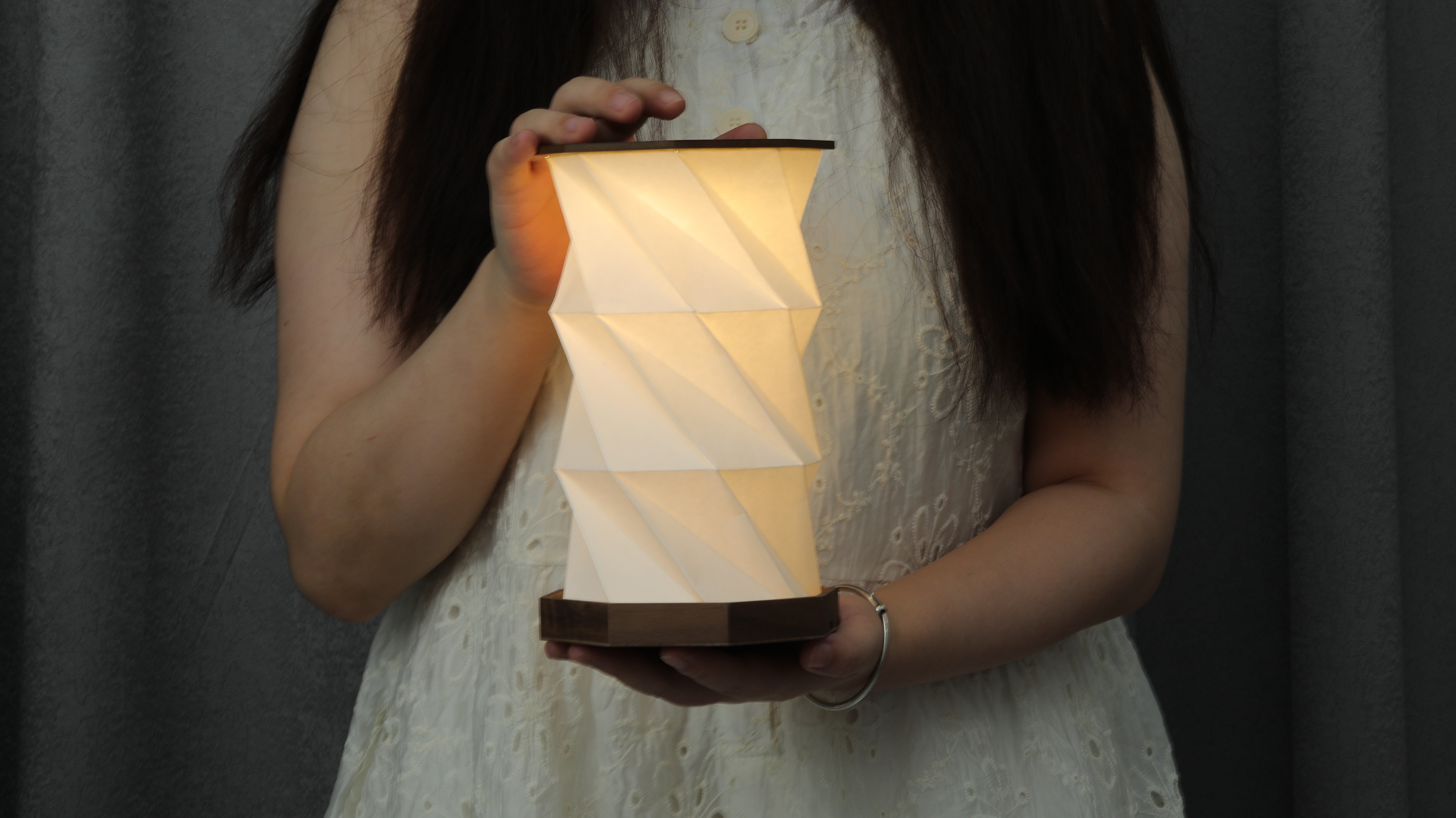
7. Statement Lighting
Lighting is becoming increasingly important as a design element rather than simply a functional necessity.
Decorative lighting can create:
- Atmosphere
- Focal points
- Warmth
- Visual interest
- Artistic expression
Interesting opportunities include:
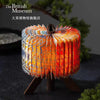
- Sculptural lamps
- Artistic lamps
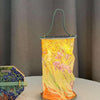
- Portable lighting
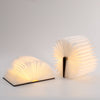
- Decorative table lamps
- Nature-inspired lighting
- Artwork-based lighting
For product developers, lighting provides an opportunity to combine design + function + atmosphere.
8. Sustainable & Responsible Design
Sustainability continues to influence product development, but consumers are becoming more careful about vague environmental claims.
Retailers should look for products with clear stories around:
- Materials
- Durability
- Packaging
- Reusability
- Repairability
- Responsible production
The strongest approach is to make sustainability part of the actual product design rather than treating it only as a marketing message.
9. Vintage & Heritage-Inspired Décor
Modern interiors don't necessarily mean everything has to look new.
Vintage references can add:
- Character
- History
- Nostalgia
- Individuality
This can appear through:
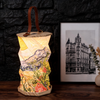
- Vintage artwork
- Historical patterns
- Retro colors
- Traditional craftsmanship
- Heritage-inspired products
- Reinterpreted classic designs
For cultural retailers and museums, this trend also creates opportunities to transform historical artwork and objects into contemporary home products.
10. Local Culture & Global Inspiration
Consumers can increasingly discover design inspiration from around the world.
This creates opportunities for products inspired by:
- Local architecture
- Traditional patterns
- Regional art
- Cultural symbols
- Craft traditions
- Travel destinations
For retailers, culturally inspired products can provide something different from standardized global home décor.
The key is authentic interpretation, rather than superficial decoration.
11. Small Decorative Products
Not every home décor trend needs to involve large furniture.
Smaller products can be easier for consumers to purchase and easier for retailers to merchandise.
Examples include:
- Decorative objects
- Small lamps
- Ornaments
- Vases
- Wall décor
- Bookends
- Sculptures
- Candle holders
- Decorative accessories
Small products can also encourage impulse purchases and make it easier for consumers to refresh their homes without making a major investment.
12. Emotional & Meaningful Décor
Perhaps the biggest trend is less about a specific material or color and more about why people buy home décor.
Consumers increasingly want products connected to:
- Memories
- Travel
- Family
- Nature
- Art
- Culture
- Personal interests
This is why a product with a strong story can be more compelling than a visually attractive product with no meaning behind it.
What Home Décor Products Have the Most Potential?
Looking across these trends, the strongest products tend to combine several characteristics:
Beautiful + Functional + Personal + Distinctive
For example, a product can combine:
Artwork + Lighting + Home Décor
or:
Travel Memory + Artwork + Home Décor
or:
Local Culture + Design + Function
This creates products that are easier to differentiate from generic mass-market home accessories.
How Can Retailers Turn Trends Into Products?
Following a trend doesn't mean copying what is already popular.
A better approach is to take a trend and ask:
What is the customer looking for?
Then:
What visual language represents that need?
And finally:
What product can deliver it?
For example:
Nature trend
→ botanical artwork
→ organic forms
→ natural materials
→ decorative lighting
Or:
Personalization trend
→ customer artwork
→ local landmarks
→ family memories
→ customized home décor
This approach creates products that respond to a trend without becoming overly dependent on short-lived fashion.
What Does This Mean for Home Décor Retailers?
Retailers should look beyond individual products and think about collections.
A successful collection might be organized around:
- Nature
- Travel
- Art
- Local culture
- Heritage
- Seasonal themes
- Color stories
- Artist collaborations
A collection creates a stronger visual identity and gives customers multiple price points to choose from.
It also makes it easier to introduce new products without completely changing the brand's direction.
Expert Tip
Don't ask:
“What home décor product is trending?”
Ask:
“What feeling do consumers want their home to create?”
Comfort.
Nature.
Personality.
Warmth.
Creativity.
Connection.
Then develop products around those emotions.
The strongest home décor products often combine:
Trend + Design + Function + Story
rather than simply following a short-term visual trend.
Key Takeaway
The biggest Home Décor Trends for 2027 are moving toward products that feel warmer, more personal, more artistic, and more meaningful.
Nature-inspired design, tactile materials, organic shapes, personalization, artistic products, multifunctionality, decorative lighting, and cultural influences all create opportunities for retailers.
The most promising products don't simply make a room look better.
They help answer a more important question:
“What does this home say about the person who lives here?”
That is where home décor increasingly meets art, lifestyle, culture, and personal identity.
Related Articles
- Best Home Décor Gifts
- Trending Lifestyle Products
- What Makes a Retail Product Successful?
- Best Products for Independent Retailers
- Small Products with Big Profit Margins
- What Products Increase Basket Size?
- What Products Encourage Impulse Purchases?
- Best New Retail Products for 2027
- Retail Product Trends
- Best Selling Gift Shop Products
About the Author
Kairos is Export Director at DECO, specializing in cultural and creative product development, OEM/ODM manufacturing, and international B2B partnerships. He focuses on helping retailers, cultural organizations, museums, and brands turn artwork, cultural stories, and creative concepts into commercially viable products.
About DECO
DECO develops customizable cultural and creative products for international markets, with a focus on decorative lighting and artwork-based product development.
For home décor retailers, DECO can develop products around artwork, nature, travel, architecture, cultural themes, seasonal designs, and artist collaborations, creating products that combine visual appeal with everyday functionality.