Cultural Home Décor: 15 Stylish Ideas Inspired by Art, Heritage, and Place

Cultural Home Décor: 15 Stylish Ideas Inspired by Art, Heritage, and Place
Introduction
A home can tell a story through more than furniture and color.
A handmade-looking object, a lamp inspired by local architecture, a traditional pattern, or a piece connected to a memorable destination can bring a sense of place, history, and identity into an interior.
This is the appeal of cultural home décor.
Rather than following a single interior style, cultural décor draws inspiration from art, heritage, architecture, craftsmanship, landscapes, traditions, and travel experiences. When thoughtfully interpreted, these influences can create home accessories that feel personal while still working in contemporary interiors.
For retailers, museums, cultural organizations, and destination businesses, cultural home décor also creates opportunities to turn local stories and visual identities into products people can take home.

What Is Cultural Home Décor?
Cultural home décor refers to decorative or functional products influenced by a particular culture, region, heritage, artistic tradition, historical period, or sense of place.
It can be inspired by:
- Traditional crafts
- Local architecture
- Historical objects
- Regional patterns
- Folk art
- Landscapes
- Cultural symbols
- Festivals and traditions
- Museums and collections
- Travel destinations
- Local artists
The most successful contemporary products usually interpret cultural inspiration rather than simply copy it.
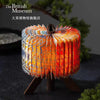
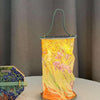
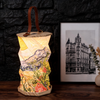
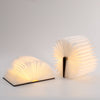
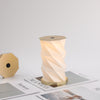
1. Cultural-Inspired Decorative Lighting
Lighting can be an especially effective way to communicate cultural stories.
A lamp can incorporate:
- Traditional patterns
- Local architecture
- Cultural illustrations
- Famous landmarks
- Regional landscapes
- Historical artwork
Decorative lighting also gives cultural imagery another dimension because the artwork can change visually when the light is turned on.
For retail and museum collections, this creates a product that can function as both home décor and a cultural souvenir.

2. Traditional Pattern Home Accessories
Patterns are one of the easiest ways to introduce cultural influence into modern interiors.
They can appear on:
- Trays
- Cushions
- Boxes
- Textiles
- Ceramics
- Lamps
- Wall décor
Traditional patterns can also be simplified or recolored to create a more contemporary appearance.
3. Heritage-Inspired Decorative Objects
Historical objects can inspire modern decorative pieces without becoming exact replicas.
For example, designers might reinterpret:
- Traditional vessels
- Tools
- Architectural details
- Historical ornaments
- Cultural artifacts
- Traditional household objects
The original story provides the inspiration while contemporary proportions and materials make the product suitable for modern homes.

4. Local Craftsmanship-Inspired Décor
Craftsmanship can become part of the product story.
Products can highlight the visual qualities of:
- Woodworking
- Weaving
- Ceramics
- Paper craft
- Metalwork
- Carving
- Printing
- Natural materials
Even when mass-produced, a product can communicate a handcrafted visual language through texture, form, and material selection.
5. Cultural Artwork and Wall Décor
Local artists and cultural artwork provide another strong source of inspiration.
Possible products include:
- Art prints
- Posters
- Wall objects
- Decorative panels
- Photography
- Illustrated maps
- Cultural artwork
For retailers, this category can connect local identity with contemporary interior design.
6. Destination-Inspired Home Décor
Travel memories often become part of how people decorate their homes.
A destination-inspired product might feature:
- A famous landmark
- A city skyline
- A historic building
- A local landscape
- A recognizable street
- Regional artwork
- A cultural symbol
These products can be particularly relevant to museum stores, tourist attractions, airport retail, and destination gift shops.
7. Architectural-Inspired Accessories
Architecture provides a rich visual language for home décor.
Products can be inspired by:
- Historic buildings
- Religious architecture
- Bridges
- Towers
- Doors and windows
- City streets
- Traditional houses
Architectural details can be simplified into patterns, silhouettes, decorative objects, or lighting designs.
8. Cultural Vases and Ceramics
Ceramics have a long connection with cultural identity.
Modern products can reference traditional:
- Shapes
- Glazes
- Patterns
- Colors
- Decorative techniques
A culturally inspired ceramic object can work as both a functional product and a decorative statement.
9. Cultural Textiles
Textiles provide an expansive surface for cultural storytelling.
Products can include:
- Cushions
- Throws
- Blankets
- Scarves
- Table runners
- Decorative fabrics
- Wall textiles
Traditional motifs can be interpreted in contemporary color combinations or simplified patterns to make them easier to integrate into modern homes.
10. Nature and Landscape-Inspired Décor
Culture is often closely connected to geography.
Mountains, forests, oceans, deserts, rivers, plants, and regional wildlife can all become design inspiration.
This is particularly effective for destinations where the landscape itself is part of the cultural identity.
For example, a coastal destination might inspire ocean-themed accessories, while a mountain region might inspire products featuring alpine landscapes or native plants.
11. Cultural Collectibles
Small collectible products can allow consumers to bring a cultural story home without requiring much space.
Ideas include:
- Miniature landmarks
- Small sculptures
- Decorative figures
- Cultural symbols
- Limited-edition objects
- Artist collaboration products
These products can work particularly well in museum stores and destination retail.
12. Cultural Books and Decorative Publications
Books can combine cultural education with home decoration.
Potential categories include:
- Art books
- Architecture books
- Local history
- Photography
- Travel books
- Craft books
- Cultural heritage publications
Large-format books can also become part of a living room or coffee-table display.
13. Cultural Tabletop Décor
Tabletop products can bring cultural design into everyday routines.
Examples include:
- Trays
- Coasters
- Plates
- Bowls
- Serving accessories
- Candle holders
- Decorative boxes
The product can use cultural patterns, artwork, landscapes, or local visual elements while maintaining a contemporary form.
14. Festival and Seasonal Cultural Décor
Cultural traditions often provide natural opportunities for seasonal products.
Products can be inspired by:
- Traditional festivals
- Local celebrations
- Holiday symbols
- Seasonal crafts
- Cultural colors
- Traditional decorations
For retailers, seasonal cultural collections can create limited selling windows while giving products a stronger story.
15. Personalized Cultural Home Décor
Personalization can make cultural products more emotionally meaningful.
Ideas include:
- City or hometown designs
- Personalized destination products
- Family heritage themes
- Custom cultural artwork
- Personalized maps
- Local landmark products
- Custom name and location designs
This is particularly relevant for consumers buying products connected to where they live, where they grew up, or places that hold special memories.
How Can Cultural Décor Look Modern?
Cultural home décor does not have to look traditional.
One effective approach is to keep the cultural reference while updating the product through:
Simpler Forms
Use clean contemporary shapes rather than reproducing traditional objects exactly.
Modern Colors
Traditional patterns can be reinterpreted using neutral, muted, or contemporary color palettes.
New Materials
A historical visual concept can be presented through modern materials such as paper, wood, metal, glass, textiles, or sustainable-looking materials.
Functional Design
Turning cultural inspiration into a useful product can make it easier to integrate into everyday life.
Subtle References
A small pattern, silhouette, color combination, or architectural detail can communicate cultural identity without overwhelming the room.
Cultural Décor vs. Souvenirs
There is an important difference between a souvenir and a cultural home décor product.
A traditional souvenir is often purchased primarily as a memory of a trip.
A cultural home décor product has the potential to remain in the home for years because the customer likes the design itself.
That distinction creates an opportunity for retailers.
Instead of asking:
“What souvenir can visitors take home?”
consider:
“What home product would someone still want even if they had not just visited this destination?”
That shift can lead to stronger product design.
Cultural Authenticity Matters
Cultural products should be developed with care.
Designers and brands should consider:
- Historical context
- Local traditions
- Cultural meaning
- Appropriate representation
- Artist rights
- Intellectual property
- Community perspectives
- Licensing requirements
Not every cultural symbol is simply a decorative pattern. Some have religious, historical, or community-specific significance.
Thoughtful product development can help ensure that cultural inspiration is presented respectfully and accurately.
Expert Tip: Start With the Story, Not the Souvenir
For retailers, museums, and destination businesses, a useful product-development process is:
Place → Story → Visual Language → Product → Customer
Start with what makes the culture, destination, or heritage unique.
Then identify the colors, patterns, materials, architecture, artwork, or stories that communicate that identity.
Only after that should you decide which product category fits.
A cultural story might become a lamp, a textile, a decorative object, a collectible, or a functional home accessory.
Key Takeaway
Cultural home décor allows people to bring more than decoration into their homes.
It can bring a sense of place, heritage, craftsmanship, travel, memory, and identity.
From cultural-inspired lighting and traditional patterns to architectural accessories, textiles, ceramics, collectibles, and destination products, there are many ways to translate cultural stories into contemporary home décor.
For retailers, museums, tourism businesses, and cultural brands, the strongest products are often those that balance authentic cultural inspiration with modern design and everyday usefulness.
The goal is not simply to create another souvenir. It is to create something people are proud to use, display, and keep.
Related Articles
- Artistic Home Accessories: 15 Stylish Ideas for Modern Interiors
- Museum Collection Products: 15 Creative Ideas for Museum Retail
- Classic Art Gifts: 15 Timeless Ideas for Art Lovers
- Art Lover Gift Ideas: 15 Creative Gifts for People Who Love Art
- Best Home Décor Products for Retail: 15 Categories Worth Exploring
- Travel-Inspired Home Décor: 15 Stylish Ideas for Modern Interiors
About the Author
Kairos, Export Director at DECO, works with international retailers, museums, cultural organizations, and brands to develop customizable decorative lighting and cultural creative products.
About DECO
DECO is a China-based manufacturer specializing in folding cultural and creative lamps and customizable decorative products. The company develops products around artwork, cultural themes, landmarks, patterns, and creative concepts for retail, museum, home décor, and lifestyle applications.
Learn more about DECO.