Fine Art Retail Trends: 10 Trends Shaping the Art Retail Market in 2026
Fine Art Retail Trends: 10 Trends Shaping the Art Retail Market in 2026
Introduction
The fine art market entered 2026 with a more positive foundation than the previous two years.
According to the Art Basel & UBS Global Art Market Report 2026, global art sales increased 4% in 2025 to an estimated $59.6 billion, while dealer sales increased 2% and public auction sales rose 9%. At the same time, the market remains uneven, with buyers, galleries, artists, and retailers continuing to adjust to changing economic conditions.
For art retailers, however, the opportunity extends beyond the sale of original artworks.
Art is increasingly connected with experiences, lifestyle products, home décor, artist collaborations, museum retail, collectibles, and accessible entry-level products.
So what should art retailers, galleries, museums, publishers, and licensing businesses pay attention to in 2026?

1. In-Person Art Experiences Are Becoming More Important
One of the clearest developments is the renewed importance of physical art experiences.
Online-only art sales fell in 2025, while higher-value transactions increasingly moved back toward in-person settings. Online sales represented 15% of the global art market in 2025, down from the pandemic-era peak of 25% in 2020.
This does not mean digital is disappearing.
Instead, consumers are increasingly moving between digital discovery and physical experiences.
For retailers, galleries, and cultural businesses, this creates opportunities to make physical spaces more memorable through:
- Product displays
- Artist events
- Exhibitions
- Demonstrations
- Limited-edition launches
- Artist collaborations
- Interactive retail experiences
The physical experience can become part of the product story.
2. Art Fairs Remain a Major Sales and Discovery Channel
Art fairs regained importance in 2025.
Art Basel & UBS reported that art fair sales increased to 35% of dealer turnover, their highest share since 2022. Both overseas and local fairs recorded growth.
This matters not only to galleries.
Art fairs can also provide opportunities for:
- Artist discovery
- Brand collaborations
- Licensing conversations
- Museum partnerships
- Product launches
- Collector engagement
- Retail trend research
For product developers, fairs can also reveal which artistic styles, artists, materials, and formats are attracting attention.

3. Digital Discovery Still Matters
The return of in-person buying does not mean digital channels have become unimportant.
In 2025, dealers reported that online sales still represented 16% of dealer turnover, while 40% of online sales by value were made to new buyers.
This creates an interesting retail model:
Digital discovery → physical experience → purchase
Social media, artist websites, gallery websites, online exhibitions, and digital catalogs can introduce consumers to artists before they encounter the physical product.
For art retailers, having strong digital presentation remains important even when the final purchase happens offline.
4. New Buyers Continue to Matter
Art retail is not only about existing collectors.
The 2026 Art Basel & UBS report found that 49% of buyers served by dealers in 2025 were new to those businesses, up from 44% in 2024. The proportion was even higher among smaller dealers.
This suggests an opportunity to create products that provide an accessible entry point into an artist or collection.
These might include:
- Small art prints
- Books
- Stationery
- Small collectibles
- Decorative objects
- Affordable artist collaborations
- Art-inspired lifestyle products
Not every customer needs to begin with an expensive original artwork.

5. Accessible Art Products Can Expand the Audience
The fine art market contains a wide range of price points.
In 2024, Art Basel & UBS reported continued activity in lower-priced segments, including growth in auction activity below $5,000.
This is relevant to art retail because customers can engage with art through products at many different price levels.
A collection might include:
Entry level:
Postcards, stationery, small prints
Mid-range:
Home accessories, textiles, decorative objects
Premium:
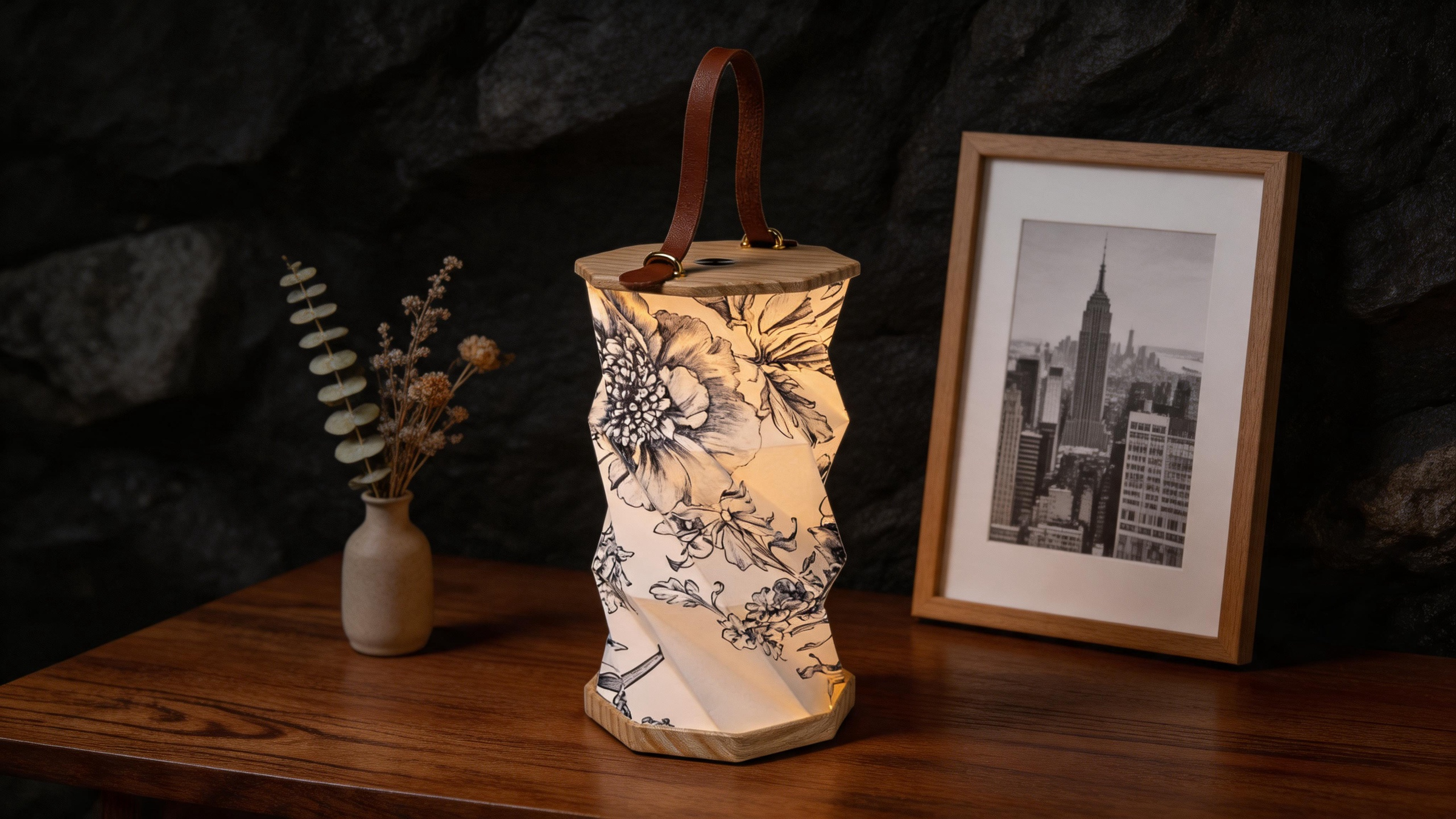
Limited editions, artist collaborations, decorative lighting
Collector level:
Original artworks and special editions
A broader price architecture allows more consumers to participate in an artist's world.
6. Artist Collections Are Becoming More Relevant
A single artwork does not necessarily need to remain a single product.
Artists and licensing businesses can develop a broader collection around:
- Colors
- Patterns
- Characters
- Motifs
- Themes
- Artistic techniques
- Cultural references
For example, one artist collection could include artwork, stationery, textiles, home décor, lighting, and collectibles.
The advantage is that customers can interact with the artist's work at different levels and price points.
7. Art and Home Décor Are Moving Closer Together
Fine art increasingly overlaps with lifestyle and interior design.
Consumers do not only experience art in galleries. They also encounter it through:
- Decorative lighting
- Wall décor
- Sculptural objects
- Textiles
- Tabletop products
- Decorative accessories
- Artist-designed home products
This creates an interesting opportunity for art retailers and licensing companies.
A painting can remain a painting, but its visual language can also inspire a contemporary product.
For example:
Artwork → color palette → product design → home décor
This creates a new way for consumers to live with art.
8. Artist Direct Relationships Are Growing
Collectors are increasingly interested in direct relationships with artists.
Art Basel reported that buying directly from artists—through studio visits, Instagram, commissions, and similar channels—more than tripled as a share of collector spending in its 2025 collector survey, reaching 20%. Studio visits also recorded particularly strong growth in attendance.
This reflects a broader desire for connection and authenticity.
For product development, the implication is important: artist collaborations should ideally communicate more than an artist's name.
They can incorporate:
- Artist stories
- Creative process
- Behind-the-scenes content
- Signature techniques
- Artist-selected designs
- Limited-edition concepts
The artist becomes part of the product story.
9. Physical Products Can Become Part of the Art Experience
Art retail products do not always need to be traditional merchandise.
A well-designed product can extend the experience of an exhibition or artist into everyday life.
For example:
Painting → illuminated decorative object
Sculpture → contemporary collectible
Photography → home accessory
Pattern → textile
Artist style → lifestyle collection
This is particularly relevant to museums, galleries, art publishers, and licensing businesses looking for products that feel more distinctive than conventional souvenirs.
10. Experience and Story Are Becoming Part of Product Value
Today's art retail environment is increasingly about more than the object itself.
The customer may also value:
- Where the artwork came from
- Who created it
- The museum or gallery behind it
- The exhibition where they discovered it
- The story behind the design
- The cultural meaning
- The limited nature of the product
This creates opportunities for better packaging, product information, artist stories, QR-linked content, exhibition references, and limited-edition presentation.
The product becomes a physical extension of the art experience.
What Do These Trends Mean for Art Retailers?
The direction of the market suggests that art retail is becoming increasingly diversified.
Instead of relying on one type of customer or one type of product, retailers can build collections around different levels of engagement.
A useful structure is:
Discover
Digital content, exhibitions, social media, art fairs
Explore
Books, prints, stationery, accessible products
Connect
Artist products, home décor, cultural products
Collect
Limited editions, special collaborations, premium products
Experience
Events, artist interactions, exhibitions, physical retail
This creates multiple entry points into the same artistic ecosystem.
What Product Categories Are Worth Exploring?
For retailers, museums, galleries, art publishers, and licensing businesses, several categories are particularly adaptable:
- Art prints
- Artist books
- Stationery
- Decorative lighting
- Home accessories
- Textiles
- Puzzles
- Sculptural objects
- Collectibles
- Gift sets
- Limited editions
- Artist collaborations
- Cultural and destination products
The right mix depends on the artist, audience, collection, retail channel, and price architecture.
Expert Tip: Don't Treat Art Products as Merchandise
One of the biggest opportunities in fine art retail is to move beyond the idea of “merchandise.”
Instead, think about product interpretation.
Rather than simply putting an image on a product, ask:
What part of the artist's visual language can become a compelling product?
A distinctive color palette might inspire a lamp.
A geometric composition might become a decorative object.
A botanical illustration might become a home accessory.
A sculptural form might become a collectible.
This approach gives retailers more creative possibilities while keeping the artist at the center.
Key Takeaway
The fine art retail market in 2026 is being shaped by a combination of renewed in-person experiences, continued digital discovery, stronger art-fair activity, new buyer acquisition, artist-direct relationships, and broader opportunities for art-related products.
For retailers and art licensing businesses, the opportunity is not simply to sell more reproductions.
It is to create multiple ways for people to discover, experience, use, collect, and live with art.
That means the future of art retail can extend well beyond the gallery wall—from prints and books to lighting, home décor, collectibles, artist collaborations, and other thoughtfully designed products.
Related Articles
- Artist Collection Ideas: 15 Creative Products for Art and Retail Brands
- Museum Collection Products: 15 Creative Ideas for Museum Retail
- Classic Art Gifts: 15 Timeless Ideas for Art Lovers
- Artistic Home Accessories: 15 Stylish Ideas for Modern Interiors
- Cultural Home Décor: 15 Stylish Ideas Inspired by Art, Heritage, and Place
- Art Lover Gift Ideas: 15 Creative Gifts for People Who Love Art
About the Author
Kairos, Export Director at DECO, works with international retailers, art publishers, licensing companies, museums, and cultural organizations to develop customizable decorative lighting and cultural creative products.
About DECO
DECO is a China-based manufacturer specializing in folding cultural and creative lamps and customizable decorative products. The company develops products around artwork, artist collections, cultural themes, landmarks, and creative concepts for retail, museum, home décor, and lifestyle applications.
Learn more about DECO.