Artist Collection Ideas: How to Turn Artistic Identity Into a Successful Product Collection

Artist Collection Ideas: How to Turn Artistic Identity Into a Successful Product Collection
Introduction
An artist collection is more than a group of products featuring the same artwork. It is a way to bring an artist’s visual identity, creative philosophy, and storytelling into everyday life.
For art publishers, licensing agencies, artist estates, galleries, and retail brands, the opportunity lies in translating artistic work into products that customers can use, display, collect, and connect with emotionally.
However, not every artwork works equally well across every product category. A successful collection requires more than attractive printing. It depends on selecting suitable formats, maintaining artistic integrity, understanding the target audience, and building a consistent product story.

So, how can businesses develop artist collections that are both creatively distinctive and commercially practical?
What Makes an Artist Collection Different From Ordinary Merchandise?
Ordinary merchandise often uses artwork as decoration. A well-developed artist collection makes the artwork central to the product experience.
The distinction can be seen in three areas:
-
Artistic consistency: Colors, patterns, compositions, and themes create a recognizable identity across the collection.
-
Product relevance: Each item complements the artwork rather than simply providing a surface for printing.
-
A coherent story: Customers understand why the products belong together and what makes the collection distinctive.
For example, a collection based on botanical illustrations might combine decorative lighting, stationery, framed prints, and home accessories. The products serve different purposes, but their visual language connects them.

For an art publisher or licensing agency, this approach can also create additional commercial applications for an existing portfolio while preserving the original character of the artwork.
Five Approaches to Developing an Artist Collection
Rather than starting with a fixed number of products, begin with the artistic concept and identify the product formats that best express it.
1. Build Around a Recognizable Artistic Style
Some artists are known for bold colors, geometric compositions, expressive brushwork, botanical studies, or distinctive line drawings.
These visual characteristics can become the foundation of a collection. The objective is not to reproduce every available image, but to identify the elements that make the artist recognizable.
A strong visual direction also helps maintain consistency across products with different shapes, materials, and functions.
2. Develop Products That Extend the Artwork Into Everyday Life
The most effective artist merchandise often allows customers to experience art beyond a traditional print or framed picture.
Depending on the artwork and audience, suitable formats may include:
-
Decorative lighting that transforms an image through illumination.
-
Stationery and paper products that incorporate illustrations or patterns.
-
Home accessories that bring artistic details into everyday spaces.
-
Collectible objects featuring selected works or signature motifs.
-
Retail display pieces that introduce the collection visually in stores.
The key is to match the product’s function with the artwork’s character. An intricate illustration may work beautifully on a compact decorative object, while a large abstract composition may need a format that preserves its visual impact.
3. Create Collections Around Themes, Not Just Individual Images
A single artwork can attract attention, but a connected group of works can provide a stronger basis for a product collection.
Possible themes include nature, architecture, travel, cultural heritage, seasonal colors, historical periods, or a particular stage of an artist’s career.
For example, an art publisher could select several works from a botanical archive and develop a coordinated collection for home décor and museum retail. Consistent packaging, color choices, and product presentation can make the collection feel intentional without making every item identical.
This approach can also support future releases, limited editions, and seasonal extensions.
4. Choose Product Formats That Add Something New
A licensed product should offer a meaningful reason to exist beyond displaying a familiar image.
Consider how the product interacts with the artwork. Does light reveal new details? Does a folding structure create a changing visual experience? Does the material enhance the texture or character of the design?
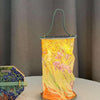
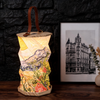
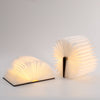
Decorative folding lamps, for instance, can present artwork across multiple inner pages and create a different visual effect when opened and illuminated. This format may suit selected illustrations, patterns, and licensed designs, provided the artwork adapts well to the structure.
For product developers, this is an important principle: the product format should contribute to the artistic experience rather than merely carry the image.
5. Plan for a Collection That Can Grow
A collection should have room to evolve, but expansion needs to be deliberate.
A practical starting point is to develop a focused initial range around a few strong artworks and suitable product formats. After assessing customer response, the collection may expand into additional designs, sizes, seasonal editions, or complementary categories.
This staged approach allows brands to test market interest without committing to an overly broad range at the beginning.
How Should Art Publishers and Licensing Agencies Evaluate Product Opportunities?
Before approving a new product category, businesses should consider four questions.
Does the format suit the artwork?
Fine details, color relationships, proportions, and composition must remain clear on the finished product. Some images may need layout adjustments, while others may not be suitable for a particular format at all.
Is there a clear audience?
A product for museum visitors may need a strong connection to an exhibition or collection. A home décor product may need to complement contemporary interiors. A collectible edition may appeal to customers already familiar with the artist.
Can the product be manufactured consistently?
Materials, printing methods, construction, packaging, quality control, and production quantities all affect the feasibility of a collection. These factors should be assessed during development rather than after the design has been finalized.
Are the licensing rights clear?
Confirm that the relevant artwork, adaptations, territories, product categories, and commercial uses are covered by the licensing agreement. Permission to reproduce an image does not necessarily grant unrestricted rights for every product or market.
Addressing these questions early can reduce development risks and help creative and commercial teams work toward the same objective.
Why Product Development Matters as Much as Artwork Selection
A compelling artist portfolio does not automatically translate into a successful retail collection. Product development is the bridge between creative potential and a finished commercial item.
The process typically involves selecting artwork, evaluating suitable formats, preparing production-ready designs, reviewing prototypes, testing materials and construction, and finalizing packaging.
During this process, collaboration between the rights holder and manufacturer is especially important. The rights holder protects the artistic integrity and licensing requirements, while the manufacturer evaluates how the design can be translated into a reliable physical product.
Early prototype reviews are particularly useful for products with unusual shapes, moving structures, lighting components, or multiple printed surfaces. They allow the team to assess how the artwork looks in its final form before committing to larger production quantities.
How DECO Supports Art-Inspired Product Development
For art publishers, licensing agencies, and retail brands exploring new applications for licensed artwork, decorative products can create opportunities beyond traditional prints and stationery.
DECO is a China-based cultural and creative product manufacturer specializing in folding and decorative lighting. Its product formats can be customized with approved artwork, illustrations, patterns, and themed designs for suitable retail collections.
For an artist collection, this may provide a way to present selected artwork through a functional decorative object rather than a conventional printed surface alone.
The best starting point is to evaluate the artwork, intended audience, licensing scope, and target retail channel together. From there, the product format, design adaptation, packaging, and production plan can be developed around the collection’s specific requirements.
Learn more about DECO’s manufacturing capabilities at https://www.decotechs.com.cn.
Expert Tip: Start With the Artwork’s Strength, Not the Number of Products
A common mistake in collection planning is deciding on a long product list before understanding which artworks are best suited to commercial development.
Instead, identify the strongest visual themes in the artist’s portfolio, determine which audiences are most likely to connect with them, and select a few product formats that genuinely complement the artwork.
A focused collection with a clear identity is often a better starting point than a large assortment with inconsistent design and positioning.
Key Takeaway
Successful artist collection ideas begin with artistic identity and develop through thoughtful product selection, licensing clarity, and manufacturing collaboration.
For art publishers, licensing agencies, and retail brands, the goal is not simply to put artwork on more products. It is to create meaningful applications that preserve the artist’s character while giving customers new ways to experience and appreciate the work.
Related Articles
-
Cultural Home Décor: How Art, Heritage, and Place Shape Modern Interiors
-
Classic Art Gifts: How to Choose Meaningful Gifts Inspired by Timeless Art
-
Artistic Home Accessories: How Art and Design Shape Modern Interiors
-
Museum Collection Products: How Museums Can Develop Meaningful Retail Products
-
Fine Art Retail Trends: What Art Publishers and Retailers Should Know
-
Art Licensing Products: How to Choose the Right Product Categories for Licensed Artwork
About the Author
Kairos is Export Director at DECO, working with international buyers and brands on cultural and creative product development.
About DECO
DECO is a China-based manufacturer specializing in cultural and creative folding lamps and decorative lighting, offering customized product development for retail, licensing, and branded collections.