Museum Retail Trends
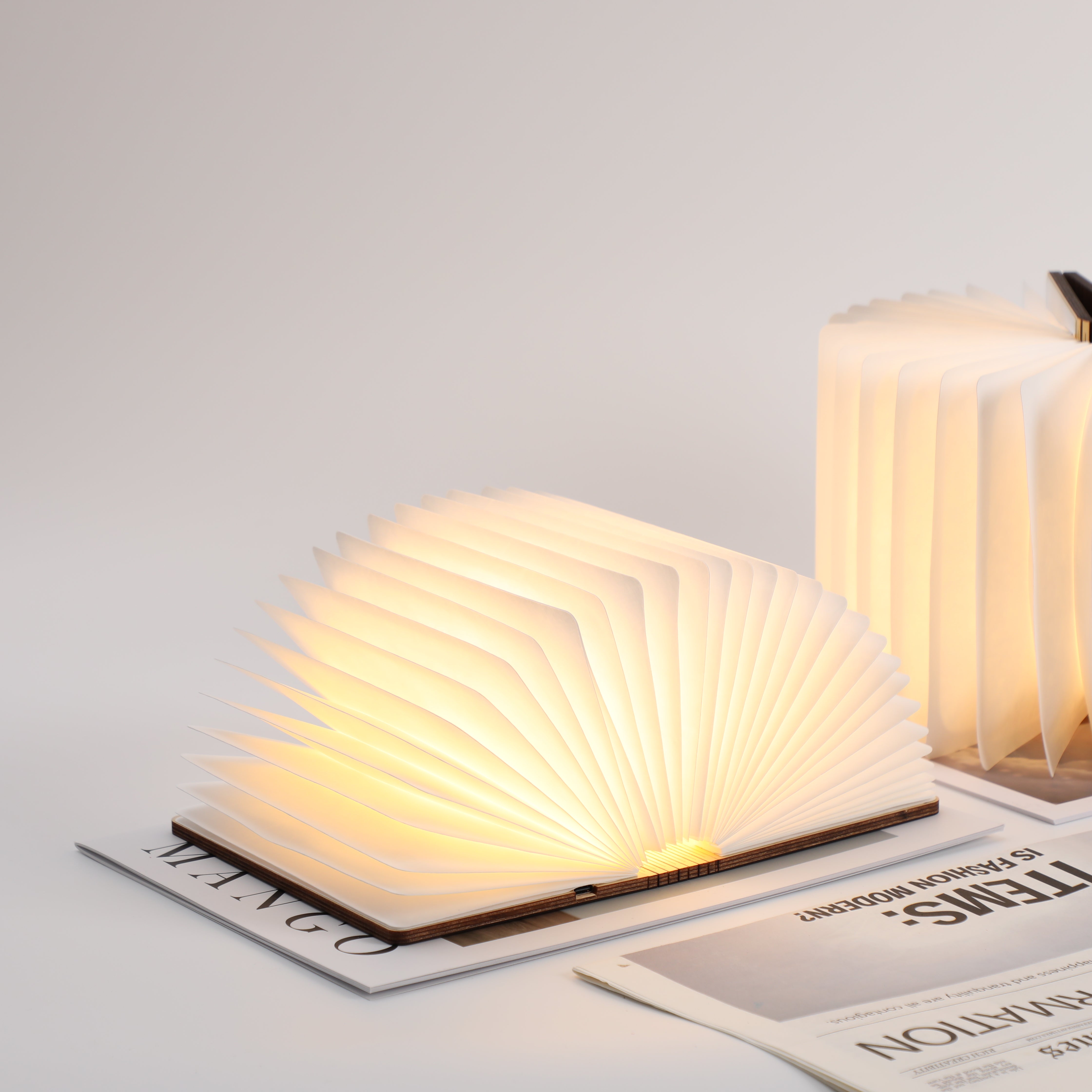
Museum Retail Trends
How Museum Stores Are Changing
Museum retail is evolving.
Museum stores are no longer focused only on traditional souvenirs, postcards, and reproduction products. Visitors increasingly expect merchandise that reflects the museum's identity while also fitting naturally into modern lifestyles.
The strongest museum retail opportunities are moving toward:
Art + Design + Story + Everyday Use
For museums, this creates an opportunity to turn exhibitions and collections into products with long-term commercial value.

Short Answer
Key museum retail trends include:
- Art-inspired lifestyle products
- Exhibition-specific merchandise
- Artist collaborations
- Limited-edition collections
- Collectible products
- Creative home décor
- Museum artwork licensing
- Sustainable products
- Personalized merchandise
- Small, easy-to-carry products
The overall direction is moving from traditional souvenirs toward more creative and design-led merchandise.
1. Art Is Becoming a Lifestyle Product
Museum artwork no longer has to stay on a wall or inside a catalog.
Collections can inspire:
- Home décor
- Decorative lighting
- Stationery
- Accessories
- Lifestyle products
- Collectibles
This allows visitors to interact with museum collections in new ways.
The product becomes a continuation of the museum experience.

2. Exhibition-Based Merchandise
Temporary exhibitions create natural retail opportunities.
Museum stores can develop products around:
- Featured artists
- Special exhibitions
- Historical collections
- Cultural themes
- Major events
Exhibition merchandise also has a built-in sense of urgency because the exhibition itself may only be available for a limited time.
3. Artist Collaborations
Collaborations with artists and designers can create more distinctive merchandise.
A museum can develop:
Museum + Artist + Product
This can result in exclusive collections that feel more contemporary than traditional museum souvenirs.
It can also attract younger and design-conscious visitors.
4. Limited-Edition Collections
Limited editions are becoming an important strategy for cultural retail.
Products can be connected to:
- Museum anniversaries
- Special exhibitions
- Artist collaborations
- Seasonal events
- Important cultural milestones
Limited availability can increase perceived value and encourage visitors to purchase during their visit.

5. Collectible Products
Collections can encourage repeat purchases.
A museum might create multiple designs based on:
- Famous artworks
- Different artists
- Museum objects
- Historical themes
- Exhibition series
Instead of selling one souvenir, the museum can create an entire product story.
6. Creative Home Décor
Museum visitors often appreciate good design.
This creates opportunities for products that bring museum-inspired aesthetics into the home.
Examples include:
- Decorative lamps
- Art objects
- Tabletop décor
- Creative accessories
- Small sculptures
The strongest products feel like genuine lifestyle products rather than traditional souvenirs.
7. Decorative Lighting and Art
Decorative lighting is an interesting emerging category for museum retail.
A product can combine:
Museum Artwork + Lighting + Home Décor
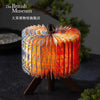
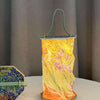
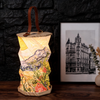
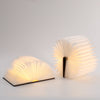
For example, licensed artwork can be integrated into a folding or decorative lamp.
This creates a product that is both functional and artistic, allowing visitors to experience the artwork at home.
8. Sustainable Museum Merchandise
Sustainability is becoming increasingly relevant to cultural institutions and their retail operations.
Potential directions include:
- Paper-based products
- Reusable products
- Durable merchandise
- Responsible materials
- Reduced packaging
However, sustainability should work together with good design and product quality.
9. Personalization
Personalization can make museum merchandise more meaningful.
Possible options include:
- Visitor names
- Exhibition dates
- Museum locations
- Custom messages
- Personalized artwork
This can turn a standard product into a personal memory of the museum visit.
10. Small and Easy-to-Carry Products
Museum visitors often purchase products while traveling.
Compact merchandise has several advantages:
- Easy to carry
- Easy to pack
- Easy to display
- Lower shipping requirements
- Suitable for impulse purchases
This makes small, well-designed products particularly attractive for museum stores.
What Makes Museum Retail Successful?
Successful museum merchandise usually has several characteristics.
Strong Cultural Connection
The product should have a clear connection to the museum, artwork, artist, or exhibition.
Good Design
The product should look attractive even without a large museum logo.
Everyday Value
Customers are more likely to purchase products they can use or display at home.
Exclusivity
Museum-exclusive products can create stronger perceived value.
Storytelling
The product should give customers something interesting to remember and share.
Collectibility
Multiple designs can encourage repeat purchases.
Expert Tip
Museum stores should think beyond:
“How can we put artwork on a product?”
A stronger question is:
“How can we transform the museum experience into a product people want in their everyday lives?”
This shift can create more interesting opportunities across lighting, home décor, stationery, collectibles, and lifestyle products.
Key Takeaway
Museum retail is moving toward creative, design-led, and experience-driven merchandise.
The strongest trends include:
- Art-inspired lifestyle products
- Exhibition collections
- Artist collaborations
- Limited editions
- Collectibles
- Creative home décor
- Museum artwork licensing
- Sustainable products
- Personalized merchandise
The future of museum retail is not simply about selling souvenirs.
It is about creating products that allow visitors to take a piece of the museum experience home.
Related Articles
- Museum Store Best Sellers
- What Sells Best in Museum Gift Shops?
- Best Souvenir Products
- Tourist Gift Trends
- Best Products for Gift Shops
- Gift Shop Best Sellers
- Best Lifestyle Gifts
About the Author
This article was written by professionals with experience in cultural retail, museum merchandise, product development, wholesale, and creative lifestyle products. The team works with museums, art institutions, cultural brands, retailers, and product buyers to develop merchandise that combines art, storytelling, design, and commercial potential.
About DECO
DECO is a creative product manufacturer specializing in customized decorative lighting, folding lamps, art-inspired products, and creative cultural merchandise.
Through OEM/ODM manufacturing, DECO supports museum artwork licensing, artist collaborations, exhibition collections, cultural themes, exclusive designs, and retail-ready packaging for museum stores, art institutions, cultural brands, retailers, and wholesalers.